
Haglund's disease surgery: what to expect and how to prepare
Surgery for Haglund's disease brings with it many internal emotions, from the hope of no longer feeling pain to the fear of possible complications.
By Dr. Luigi ManziUpdated on
Surgery for Haglund's disease can provoke many internal emotions. They range from the hope of no longer feeling pain to the fear of possible complications. The good news is that this procedure, which aims to remove excess bone in the heel that causes irritation and pain, almost always improves quality of life.
In addition to reducing pain and inflammation, the patient will eventually be able to walk more smoothly and wear normal shoes.
However, as with any surgical procedure, there are risks. One in particular is infection , the most common risk. There are also complications related to anesthesia, slow wound healing, or the risk of recurrence. It would be advisable to discuss these risks in detail with your doctor to adequately prepare for the procedure.
How to prepare for Haglund's disease surgery

First, preparation for surgery for Haglund's disease begins with a consultation with the orthopedic surgeon . During this visit, the surgeon will explain the surgical procedure in detail. It's important to ask all possible questions, including any doubts or concerns.
Additionally, you should provide your doctor with a complete list of all medications you're taking, discussing any allergies or pre-existing medical conditions. Communication is essential to establishing trust and fully understanding what to expect from the procedure.
Pre-operative tests to be performed and mental and physical preparation
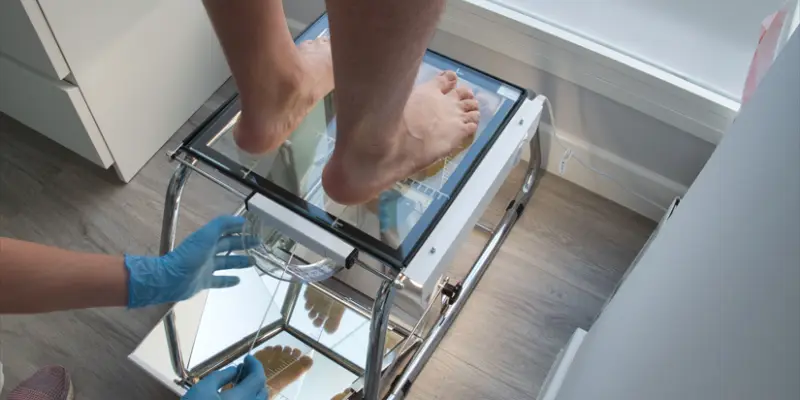
Before surgery, a series of pre-operative tests will be performed to assess the patient's health. These include blood tests , foot X-rays, and sometimes even ultrasounds or MRIs.
The surgeon will then assess the exact nature and severity of Haglund's disease and plan the surgery accordingly.
Mental and physical preparation for surgery for Haglund's disease is important . Mentally, it's essential to talk to people who have already undergone the surgery. Physically, it's important to follow a balanced diet and maintain moderate physical activity.
Furthermore, the home must be prepared for the post-operative recovery process . Everyday objects must be organized and easily accessible. If necessary, assistive devices, such as handles or bathroom chairs, can be installed.
During surgery for Haglund's disease
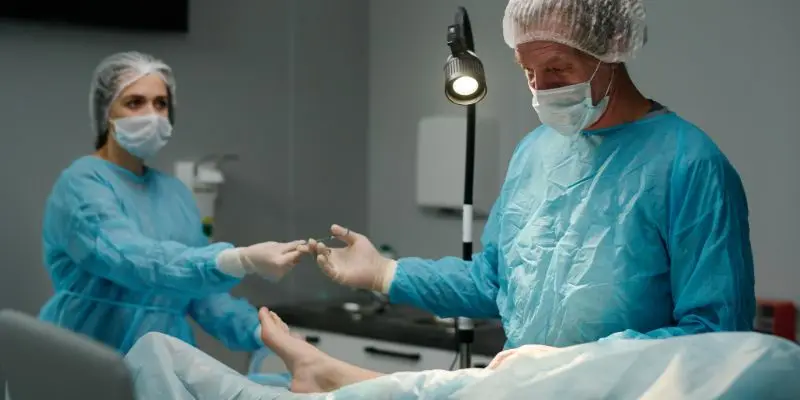
Surgery for Haglund's disease usually follows these steps:
- the surgeon will make an incision in the back of the heel to access the affected area;
- excess bone is removed from the heel and, if necessary, apartial excision of the inflamed bursa;
- intervention on the may also be required surrounding soft tissues to improve alignment and reduce tension;
- the incision is sutured and bandaged.
Is it the anesthesia? If the procedure isn't complex and the patient is in good health, it will be local. Otherwise, general anesthesia will be used.
During the operation, the patient is constantly monitored by the anesthetist, who will ensure that blood pressure , heart rate, and blood oxygenation remain stable.
After surgery for Haglund's disease

After surgery for Haglund's disease , it's very important to follow your doctor's instructions to resume normal daily activities. Rest is essential for the first few days after surgery. The foot should be elevated to reduce swelling . Unfortunately, some discomfort will occur. Crutches may also be necessary to avoid putting weight on the operated heel.
Regarding pain, it's normal to feel it. The use of analgesics , always under the surgeon's advice, helps manage it. However, you should follow your doctor's recommendations, reporting any unusual increase in pain or other symptoms that could indicate an infection or complications.
Rehabilitation and physiotherapy program

To fully recover from Haglund's disease surgery , physiotherapy is essential. The rehabilitation program generally begins a few weeks after surgery with:
- stretching and strengthening exercises to improve flexibility and strength;
- manual therapy to reduce pain and improve movement.
- advice on a gradual return to daily and sporting activities.
If the rehabilitation program is carefully followed, the patient will be able to fully resume his normal daily activities.