
Insoles for Morton's Neuroma: How to Find Relief and Well-Being
Morton's neuroma orthotics can help relieve pressure on the nerves, improving comfort and promoting proper load distribution.
By Dr. Luigi ManziUpdated on
What is Morton's neuroma ? It's a condition that affects the interdigital nerves of the foot, particularly those between the third and fourth toes, which begin to thicken, causing a burning and tingling sensation that is characteristic of this type of problem.
People with Morton's neuroma often feel like they have a pebble under their foot or that their shoes are too tight. Wearing shoes with narrow toes causes further compression of the nerves, altering weight distribution and making the condition even worse. Morton's neuroma orthotics can help relieve pressure on the nerves, improving comfort and promoting proper load distribution.
There are many causes behind the development of Morton's neuroma. High-impact activities, such as running and sports that involve jumping, are a contributing factor. Other conditions, such as flat feet or hallux valgus , can increase pressure on the interdigital nerves and promote the development of the neuroma.
How is Morton's neuroma diagnosed?
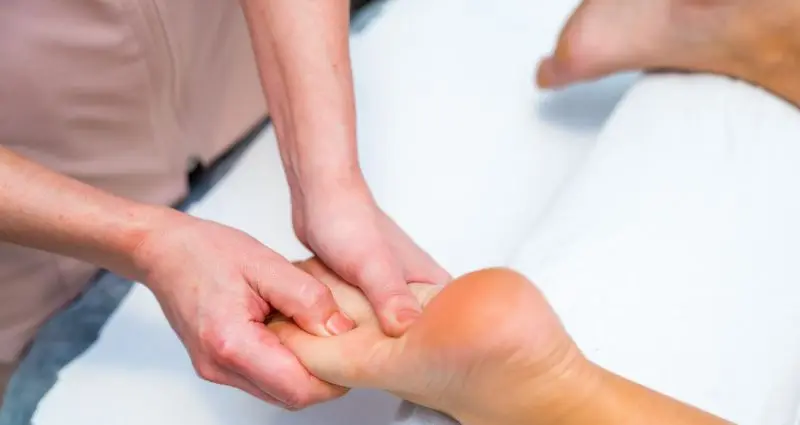
Symptoms of Morton's neuroma can vary from person to person, but typically include the typical severe pain in the sole of the foot, accompanied by burning, along with numbness, tingling, or weakness in the toes. Sometimes the pain radiates down the toes and worsens with prolonged walking or simply standing. This pain is relieved by removing the shoe and massaging the foot.
Diagnosing it requires a combination of clinical examinations and diagnostic tests. The doctor carefully palpates the foot to pinpoint the exact location of the pain and may perform the Mulder test, which involves compressing the metatarsal bones to provoke the pain. Imaging tests such as ultrasound or MRI may be used to confirm the diagnosis. Ultrasound is useful for highlighting nerve thickening, while MRI provides a more detailed picture of the inflammation and any structural changes in the foot.
What causes Morton's neuroma?

As we've already mentioned, the exact cause of Morton's neuroma is unknown. It's believed to be caused by a combination of several factors, including frequent use of uncomfortable shoes, such as high heels and narrow toes, or the presence of foot deformities, such as bunions.
Identifying the cause of the problem is also helpful in determining how to treat Morton's neuroma. Treatment for this condition depends on the severity of the pain and the patient's individual condition.
There are some conservative measures to try to limit the pain. For example, wearing comfortable shoes, with low heels and wide toes, and perhaps even using insoles to relieve pressure on the nerve, are recommended. Conservative treatment also includes rest and the application of ice to dull the pain. If the pain becomes too severe and debilitating, over-the-counter painkillers or nonsteroidal anti-inflammatory drugs (NSAIDs) may be considered, as well as cortisone injections to reduce inflammation and temporarily relieve pain. However, their use should be limited to avoid side effects such as thinning of the connective tissue.
If conservative measures fail, surgery to remove the neuroma may be considered. Surgery can also be useful for decompressing the interdigital nerve in the foot or freeing it from scar tissue. After surgery, a period of rehabilitation is necessary to restore foot mobility.
Insoles for Morton's neuroma
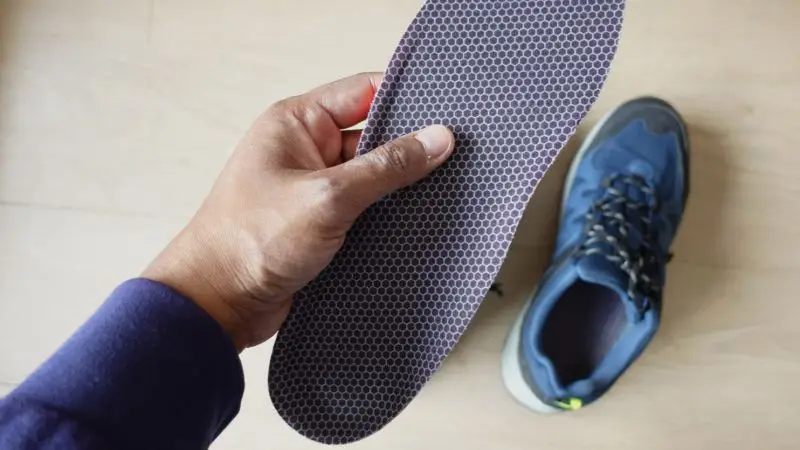
Among the most effective remedies for relieving pain associated with Morton's neuroma are undoubtedly insoles. When custom-made by a podiatrist, they can adapt to the specific shape of the foot, reducing pressure on the painful area.
Depending on how they're made, Morton's neuroma insoles allow you to redistribute the load while walking. Their function is to prevent the nerve from being compressed between the metatarsal bones and relieve pressure on the nerve.
These insoles, made of silicone and memory foam, provide excellent cushioning and lightweight comfort, providing metatarsal support—a slight elevation that lifts and separates the metatarsal bones. The insole should relieve pressure on the nerve along its entire length, reducing sharp pain from the very first days.
To choose the right insole for Morton's neuroma, it's very important to evaluate the level of support offered and its compatibility with your usual footwear. It's advisable to consult an orthopedist or podiatrist to identify the solution best suited to your needs.
In addition to using orthotics, some exercises can help improve foot mobility and reduce pain and stiffness. Flexing and extending your toes helps keep the foot muscles active and promote blood circulation.
Possible complications from Morton's neuroma

If left untreated, Morton's neuroma can progressively worsen, causing increasingly severe pain and impaired walking. In more advanced cases, nerve damage can become permanent, requiring surgery to relieve symptoms.
The prognosis depends on the promptness of treatment. Early intervention can provide relief without the need for invasive procedures, but there is always a risk of recurrence.
SmartHallux: An innovative approach to foot care

If you have Morton's neuroma and want to learn more about treatment options, SmartHallux can provide the answers you need. The specialized foot and ankle surgery center, led by Dr. Luigi Manzi , an internationally renowned orthopedic surgeon, offers high-quality service with a personalized approach, using cutting-edge surgical techniques for Morton's neuroma removal.
Thanks to a personalized rehabilitation program, it's possible to identify potential problems before they become serious. The SmartHallux medical teams , composed of surgeons and anesthesiologists highly specialized in foot and ankle surgery, ensure a rapid and safe recovery from surgical treatment for Morton's neuroma. Book your video consultation with Dr. Luigi Manzi now.