
Plantar Fasciitis Bandaging: How to Do It and When It's Really Needed
Bandaging for plantar fasciitis supports the arch and takes strain off the fascia. How to apply it step by step, how long to keep it on and when it is useful.
By Dr. Luigi ManziUpdated on
You wake up in the morning and put your foot down. Ouch! That stabbing pain in your heel immediately reminds you that plantar fasciitis is still there.
It's a pain I know well, because so many patients come to my office precisely for this problem. "Doctor, I can't even get out of bed without pain," they often tell me. And I completely understand.
One of the solutions I often suggest to my patients is plantar fasciitis bandaging. It's not a magic wand that solves everything, but it can provide significant relief. Let's take a look at how it works and when it can be truly helpful.
What is this blessed plantar fasciitis?

The plantar fascia is like a rubber band stretched under the foot. It runs from the heel to the toes. When it becomes inflamed—that's fasciitis—it becomes extremely painful, especially in the morning.
Think of this tissue like a bowstring. If you pull it too hard or too often, it starts to "protest." The resulting inflammation is what we call plantar fasciitis. It's a technical term for "my foot hurts like hell."
The other day, a runner came to me and said, "Doctor, it feels like someone's hammering a nail into my heel every time I stand up." This is plantar fasciitis in its most typical form.
Why does it happen? The main causes

There's never a single cause. It's like a puzzle made of many pieces that don't fit together well.
Being overweight is one of the main factors—after all, more weight means more stress on the fascia. Then there are the wrong shoes: those with soles that are too flat or too rigid are deadly for our feet. I've seen patients who were doing fine until they started walking barefoot at home during lockdown.
Age plays a significant role. After 40, the plantar fascia loses elasticity and becomes stiffer. This is normal, but it means we need to treat it with more respect.
And then there are "peculiar" feet: those that are too flat or those with too high an arch. Both create abnormal tension in the fascia. An overly tight Achilles tendon can also be a problem—everything in our bodies is connected.
Symptoms You Can't Ignore

Morning pain is the king of symptoms. Those first steps after bed are hell. Why? During the night, the fascia "shortens" a bit, and when you suddenly stretch it... well, it protests a lot.
Many patients describe a sensation of "walking on broken glass" or "having a stone in their shoe." The pain usually improves after the first few steps, as the fascia warms up, but it can return after long walks or after standing for hours.
Sometimes the pain isn't just in the heel. It can radiate along the arch of the foot or even up toward the ankle. Every case is different.
How do I make the diagnosis in the office?

When a patient comes to me with these symptoms, the diagnosis is often already clear from the history they tell me. But obviously I need to verify.
First, I look at how they walk. Often, people with plantar fasciitis limp slightly or place their foot in an odd position to avoid the pain. Then I feel their heel—sorry if it hurts, but I need to understand exactly where and how much it hurts.
One test I always do is to flex my toes upward while pressing on the plantar fascia. If the pain worsens, it's virtually confirmed. Sometimes an ultrasound is needed to see the thickening of the fascia or an X-ray to rule out a heel spur.
Bandaging: when and how it works
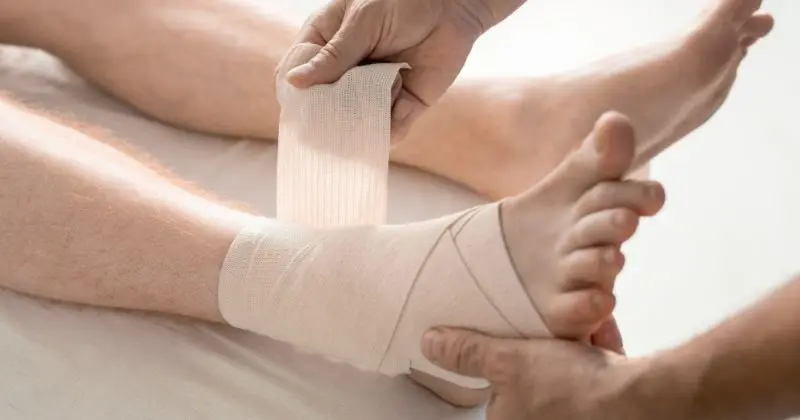
Here we come to the point. The plantar fasciitis bandage isn't just a glorified plaster—it's a real therapeutic tool when used correctly.
Plantar fasciitis taping works in two main ways: it supports the arch of the foot, reducing tension on the fascia, and it provides compression, which can reduce inflammation. Think of taping a sprained ankle—the concept is similar.
There are different types of bandages. Daytime bandages are designed to be worn with shoes during normal activities. They are thinner and more discreet. Then there are nighttime bandages, which are bulkier but very effective because they keep the foot in an "extended" position during sleep, preventing the band from shortening too much.
The most common plantar fasciitis bandage wraps around the arch of the foot like a support. You place it under the arch, pull the side flaps up, and secure them with Velcro. It should be snug but not too tight—if you feel tingling or your foot turns blue, you've overdone it.
Other treatments that really work
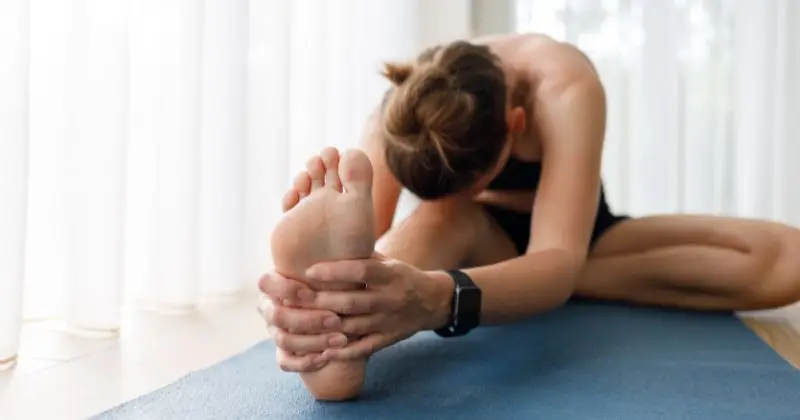
Bandaging is helpful, but it's rarely enough on its own. I always recommend a comprehensive approach.
Ice is fantastic for acute inflammation. Rolling a frozen bottle of water under your foot for 15-20 minutes is a simple but effective remedy. Anti-inflammatories can provide relief, but they don't address the root cause.
Stretching exercises are essential. The Achilles tendon and plantar fascia must be gently but consistently stretched. One exercise I always recommend: place a towel under your toes and pull them toward you, keeping your knee straight. Simple but effective.
Sometimes you need custom insoles. Not the ones you buy at the supermarket, but the ones made specifically after a thorough foot examination. They make all the difference, especially in the most complex cases.
In resistant cases, we can consider cortisone injections or more advanced therapies like shock waves. Surgery? Extremely rare, only when everything else has failed.
How long does it take to heal?

This is the question everyone asks me. The honest answer? It depends.
I usually see initial improvements after 2-3 weeks of proper treatment. But complete recovery can take months. Not to scare you, but to make you understand that patience is key. Plantar fasciitis is insidious: it seems to improve, then comes back. It's important not to give up treatment too soon.
I have patients who feel better after a month, and others who take six months. The important thing is not to get discouraged and to stick to the treatment plan consistently.
How to prevent relapses
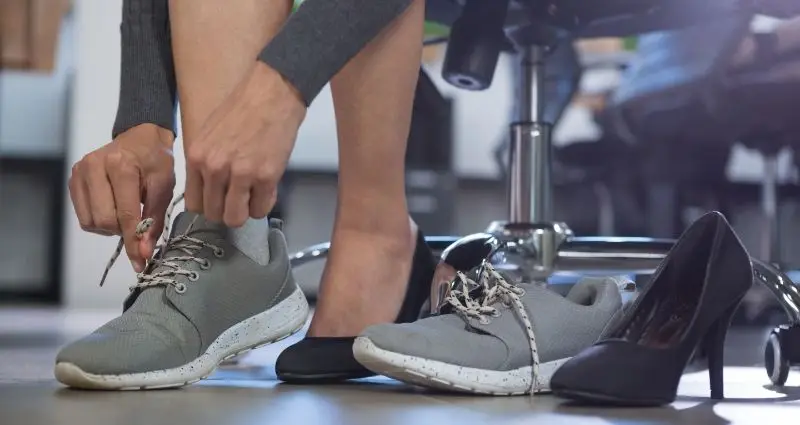
Once you've had plantar fasciitis, you're more likely to get it again. But you can do a lot to prevent it.
The right shoes are essential. Avoid completely flat soles and those that are too rigid. A slight heel (2-3 cm) can be helpful. Change your sneakers regularly – worn-out ones are your feet's enemy.
If you play sports, gradually increase the intensity. The weekend warrior who goes from sedentary to marathon runner is at extremely high risk. Maintain a healthy body weight and stretch regularly, even when you're feeling well.
SmartHallux: Where we can help you

Dr. Luigi Manzi, who has gained specific experience in this field, follows each patient with a personalized path using the most modern techniques.
The SmartHallux team treats conditions such as hallux valgus , Morton's neuroma , and other deformities that cause foot pain. Providing comprehensive support throughout the treatment process, SmartHallux can be a winning choice for effective treatment tailored to your needs. Book your specialist consultation with the SmartHallux team now (opens in a new tab).
FAQ
Doctor, can I play sports with plantar fasciitis?
It depends on the type of sport and the severity. Swimming and cycling are usually fine, while running and tennis could make things worse. The important thing is to listen to your body.
Can safety shoes cause plantar fasciitis?
Absolutely. Many safety shoes are stiff and have inadequate soles. If you need to use them for work, invest in quality insoles.
Is it true that we need to rest completely?
No, complete rest isn't the solution. You need to reduce the activities that cause pain, but controlled movement helps healing.
Can I sleep with a swaddle on?
Yes, in fact, night wraps are very useful. They keep your foot in the correct position while you sleep.