
Brachymetatarsal rehabilitation: what to do after surgery
After brachymetatarsia surgery, rehabilitation is essential. In this article, "Brachymetatarsia Rehabilitation," we'll find out what to do.
By Dr. Luigi ManziUpdated on
After brachymetatarsia surgery , rehabilitation plays a fundamental role in recovering full functionality of the foot. In this article entitled “brachymetatarsia rehabilitation”, we will find out how to proceed.
If the rehabilitation program is not followed properly, several complications may arise, including pain, stiffness, and limited mobility of both the foot and ankle. Furthermore, an effective rehabilitation program prevents the problem from recurring and reduces the risk of other related disorders.
Brachymetatarsia surgery: the fundamental role of rehabilitation
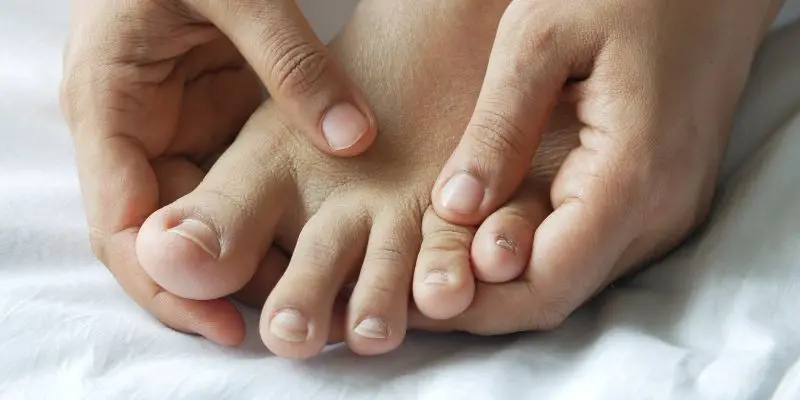
Rehabilitation following brachymetatarsal surgery aims to restore foot strength, flexibility, and balance . This is essential not only for comfortable walking but also for returning to all daily activities.
The rehabilitation program is always customized based on the patient's individual needs. Factors such as age, activity level , and personal goals must always be considered. Various techniques are employed, including physiotherapy, specific therapeutic exercises , and occasionally orthopedic supports.
Recommended exercises during rehabilitation

During the post- brachymetatarsal rehabilitation process, there are some very important exercises to perform to facilitate full recovery of foot mobility. Let's take a look at them below.
Mobilization and stretching exercises
To improve flexibility and eliminate limb stiffness, a very common condition after brachymetatarsal surgery , you should practice some mobilization and stretching exercises . Here are some:
- Ankle rotations: Whether sitting or lying down, slowly rotate your ankle in a circular motion, first clockwise and then counterclockwise.
- Achilles tendon stretching: Step forward, placing one leg in front of you and bending your knee slightly. Keep your back foot flat on the ground, and your knee straight. Feel the stretch along your calf and Achilles tendon.
- Metatarsal lengthening: while sitting, extend your leg and gently pull your toes upward using a piston ring or a towel.
Muscle strengthening exercises
Strengthening exercises are essential for fully recovering foot strength and preventing future injuries. Let's see how to proceed:
- Toe lifts: Lie down with your legs straight, lift your toes towards your shins and then slowly lower them.
- Walking on toes and heels: Alternate walking on your toes and heels for a few minutes. This strengthens both the upper and lower foot muscles.
- Exercises with elastic band: Use a rubber band around your toes for resistance as you push your toes away from your body.
These exercises must absolutely be performed under the supervision of a certified physical therapist , to ensure the appropriateness and safety of the movements.
Expected recovery time after brachymetatarsia surgery

Recovery from brachymetatarsia surgery takes time, which varies depending on individual factors and the specifics of the procedure itself. Patients typically return to their normal routine after 4 to 8 weeks . However, the medical team and physiotherapist's instructions must be carefully followed to ensure this happens as quickly as possible.
Guidelines for a gradual resumption of daily activities

After brachymetatarsia surgery , normal daily activities should be gradually resumed to avoid complications. The general guidelines are as follows:
- rest following your doctor's instructions, avoiding excessive effort in the first few days after surgery;
- start with light rehabilitation exercises, gradually increasing the intensity under the supervision of a physiotherapist;
- avoid those activities that put excessive strain on the operated foot until the doctor gives the go-ahead.authorization from the doctor;
- Listen to your body and reduce activity immediately if you experience pain or swelling.
By following these guidelines, recovery will be complete and rapid. Patients will be able to return to their daily activities with greater confidence and peace of mind.