
Bruised Big Toe: What to Do When Your Toe Hurts
A bruised big toe after a knock or stubbing causes swelling, bruising and pain on walking. How to treat it at home and when it could be a fracture.
By Dr. Luigi ManziUpdated on
Have you ever stubbed your toe on the nightstand at night? That excruciating pain that makes you see stars for a few seconds, then stays there throbbing for hours. There you have it, a bruised toe. And it's more than just a minor inconvenience.
In my office, I see many patients who come in limping, with swollen and painful big toes, thinking "it will go away on its own." Sometimes, that's the case. But other times, what seems like a simple injury can be something more serious. I'll tell you what you need to know.
What is a bruised big toe really?

A bruised big toe is essentially a trauma to the soft tissues of the big toe—the skin, muscles, tendons, and sometimes even the bone. We're not talking about a true fracture, but rather an injury that can be more bothersome than you might think.
The difference with other foot conditions? Well, it's simple. Hallux valgus is a deformity that causes the bone to protrude laterally—that "bunion" that many women are familiar with. Hallux rigidus, on the other hand, is an osteoarthritis that blocks the joint's movement. A bruised big toe, on the other hand, comes on suddenly. A trauma, a blow, and bang—immediate pain.
Now, I'll tell you something you might not know. The big toe isn't just "any other toe." It's essential for balance when we walk. Consider that during a step, the big toe supports up to 40% of your body weight in the final phase of the push-off. That's why a bruised big toe can really ruin your day.
Why does it happen? The most common causes

After all, the big toe is exposed. It's there in front, leading the way when we walk. The causes? I'll list a few that I see most often:
Impacts are the main cause—furniture, steps, rocks when walking barefoot. The other day, a patient came to me after kicking a rock while walking on the beach. "Doctor, I thought it was sand!" he said, laughing bitterly.
Then there are sports. Soccer, rugby, basketball—activities where your foot can be stepped on or tripped over. But also less "violent" sports like tennis, where a sudden change of direction can cause your big toe to slam against your shoe.
The wrong shoes are another major factor. Shoes that are too tight, too short, or have a too-thin toe box that compresses the big toe against the upper. I've seen bruises caused simply by new, unbroken shoes.
Sometimes—and this is interesting—the big toe gets bruised from overload. People who walk a lot, run on hard surfaces, or have support problems that place too much weight on the big toe.
Symptoms: When your big toe tells you there's a problem
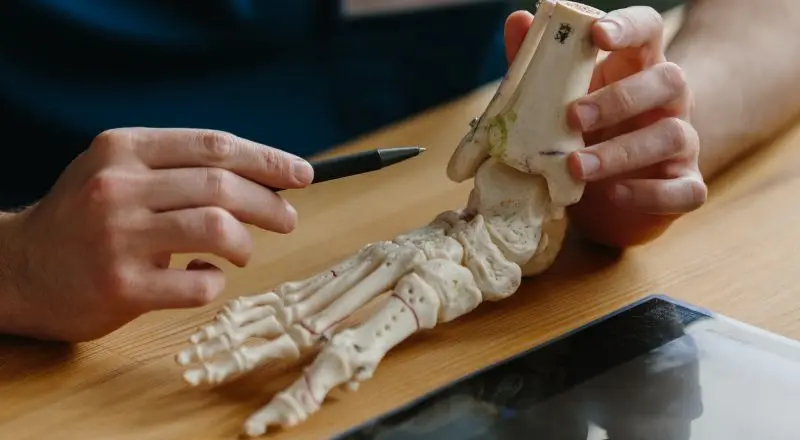
Pain is the first symptom, of course. But it's not always the same. It can be sharp, stabbing, or dull and constant. Many patients describe a throbbing sensation, as if the big toe were tapping in time with the heart.
The swelling sets in almost immediately. The big toe swells, sometimes dramatically. And then there's the color—from red to blue, to yellow-green in the following days. A true rainbow, but decidedly unpleasant to look at.
Stiffness is another important sign. Moving the big toe becomes difficult and painful. Walking normally? Impossible. A characteristic limp develops, with weight being placed on the outside edge of the foot.
When should you worry most? If the pain is really severe and doesn't improve with ice and rest. If you can't walk at all. If the nail is black or peeling off. In these cases, it's best not to wait.
How do I diagnose in my office?

When a patient comes in with a bruised big toe, the first thing I do is listen to their story. How did it happen? When? Has the pain gotten worse or better? Simple questions that already give me a lot of information.
Then comes the physical exam. I look at the big toe, comparing it to the other foot. I gently touch it to see where it hurts the most. I ask the patient to move it—if they can. I check to see if they can walk on tiptoe, which is nearly impossible with a seriously bruised big toe.
X-rays? They're not always necessary. But if I suspect a fracture—perhaps because the trauma was very severe, or because the big toe is deformed—then yes, I'll do them. It's better to be safe.
Ultrasound can sometimes be helpful in evaluating soft tissue, but honestly, for a simple bruised big toe, it's often not necessary.
How to treat it: what really works

The famous RICE protocol – Rest, Ice, Compression, Elevation. It still works, after all these years.
Ice is essential in the first 24-48 hours. Apply it for 15 minutes every hour, with a cloth between the ice pack and your skin to prevent frostbite. Avoid applying it directly, please.
Painkillers can help. Ibuprofen or diclofenac are excellent because they not only reduce pain but also inflammation. But be careful about dosages and contraindications—it's best to consult your doctor.
Bandaging can provide relief, but it must be done properly. A bandage that's too tight can worsen the swelling. Too loose and it's useless.
In more severe cases, a brace or even a post-surgical shoe may be needed to help you walk without straining the big toe. But these are rarer cases.
Physiotherapy? It's usually not needed immediately, but it can be helpful during the recovery phase to restore joint mobility.
Healing times: have realistic expectations

“Doctor, when will I be okay?” That's the question everyone asks me. The answer depends on the severity of the trauma.
A minor bruise may resolve within a week. Pain and swelling gradually subside, and normal symptoms return within 7-10 days.
More severe injuries can take 3-4 weeks to heal, especially if there's been a hematoma under the nail, which can take months to fully heal.
In short, patience. The body has its own time, and forcing recovery often just prolongs it.
Prevention: Better to avoid when possible
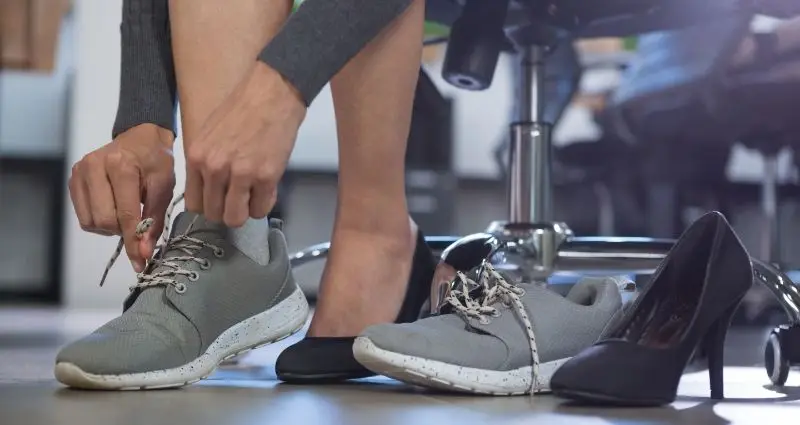
Wearing properly fitting shoes is essential. It may seem trivial, but it isn't. Shoes should be comfortable, with enough room for your toes.
Be careful when walking barefoot, especially indoors in the dark or on unfamiliar surfaces. A small flashlight on the bedside table can prevent many nighttime injuries.
For those who play sports, specific shoes and protective gear where necessary. And be careful with sudden changes in direction.
SmartHallux: Where we can help you

Here at SmartHallux, we specialize in foot and ankle surgery. Dr. Luigi Manzi, who has extensive experience in this field, provides each patient with a personalized treatment plan using the most modern and least invasive techniques.
Surgery is rarely necessary for a bruised big toe. But when complications arise—hidden fractures, deformities, infections—our minimally invasive approach can make a difference in recovery time.
The SmartHallux team treats conditions such as hallux valgus , Morton's neuroma , and other deformities that cause foot pain. Providing comprehensive support throughout the treatment process, SmartHallux can be a winning choice for effective treatment tailored to your needs. Book your specialist consultation with the SmartHallux team now (opens in a new tab).
The questions you ask me most often
Doctor, how can I tell if it's just bruised or if something's broken?
If you can move your big toe, even if it hurts, you probably don't have a fracture. But if the pain is extreme, the big toe is deformed, or you can't feel it at all, it's best to get an X-ray.
How long is the ice for?
The first two days are the most important. Fifteen minutes every hour whenever possible. After 48 hours, if the swelling hasn't improved, you can alternate ice and heat.
Can I walk?
It depends on the pain. If you can walk without too much of a limp, that's fine. But if you have to drag your foot, it's best to use crutches for a few days.