
Brachymetatarsia: latest-generation drug therapies
Pharmacological therapies for brachymetatarsia: Despite modern advances, it is essential to understand the basics of traditional podiatric medicine.
By Dr. Luigi ManziUpdated on
In the treatment of brachymetatarsia , traditional methods have dominated for many years. Although we are now in the age of cutting-edge drugs , it is important to recognize the foundations on which modern podiatric medicine was built . In this article, we will discuss the latest-generation drug therapies for brachymetatarsia.
NSAIDs and cortisone
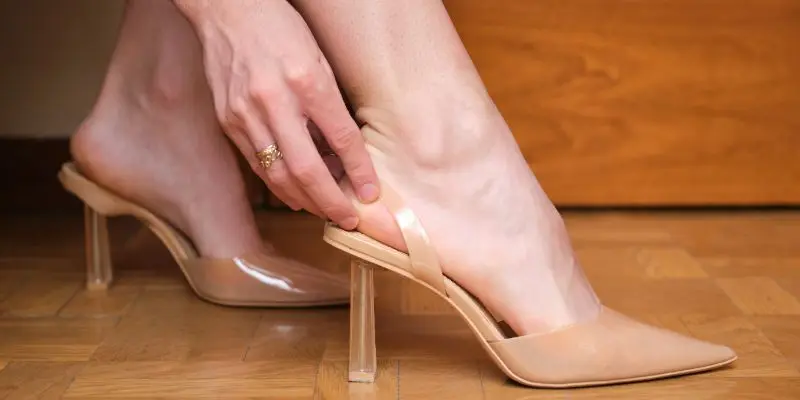
If there's one thing we've learned from doctors, it's that when it comes to inflammation, NSAIDs ( nonsteroidal anti-inflammatory drugs) are the best. They work to reduce swelling and improve mobility, and are often the first line of treatment for those with brachymetatarsia.
Then there are cortisone-based medications , which, with an injection, can reduce foot inflammation in a very short time. Be careful, because side effects can be just as rapid, with the risk of causing skin atrophy and weakening of bone structures.
Analgesics and pain management
Let's move on to analgesics , which are less concerned with inflammation and more with pain relief . From ibuprofen to codeine (for more severe cases, of course), they are on the front line in the fight against foot pain.
Limitations and disadvantages of conventional therapies

It's important to remember that no treatment is perfect. Traditional medications, while useful, don't always address the root cause of the problem, often offering only temporary relief . Side effects, often bothersome, can sometimes outweigh the benefits. Furthermore, drug tolerance and resistance are factors that require careful management by specialists.
Latest generation drug therapies

Now it's time to talk about the latest generation of drug therapies . These new treatments promise to redefine the treatment of brachymetatarsia.
Biological drugs: new frontiers
Biological drugs are able to fight inflammation and rebuild damaged tissue . Developed through advanced genetic technologies , they act precisely where they are most needed, minimizing unwanted effects.
Specific enzyme inhibitors and their efficacy
Specific enzyme inhibitors are drugs designed to block specific enzyme activities that contribute to the development of brachymetatarsia. Initial results indicate that their effectiveness not only slows the pathological process but also helps improve foot function.
Clinical studies and promising results
The results of the most recent clinical studies are very promising. In many trials, patients have shown significant improvements in pain relief and foot mobility. Of course, there are still many variables to consider, but the current data are promising.
Integration with other forms of treatment

Addressing brachymetatarsia requires a multifaceted strategy that isn't limited to the use of cutting-edge pharmacological therapies. Let's see how other approaches complement the therapeutic framework.
Physiotherapy and rehabilitation
Physiotherapy is often the first step in treating brachymetatarsia. A customized exercise program , specifically designed for the patient, not only allows them to move better but can also improve their quality of life.
Targeted strengthening and stretching exercises reduce pain and improve foot function. Physical therapists work with a combination of techniques involving massage , heat application, and small, high-tech tools to boost joint mobility.
Orthopedic therapies and personalized insoles
Orthotics are real footsavers that promise to be an instant solution for many. But be careful: buy a pair of generic insoles from your local shoe store. Custom insoles, created after a detailed orthopedic assessment , serve to distribute weight evenly and relieve pressure on the foot affected by brachymetatarsalgia. This will make walking more comfortable.
Surgery: when is it necessary?
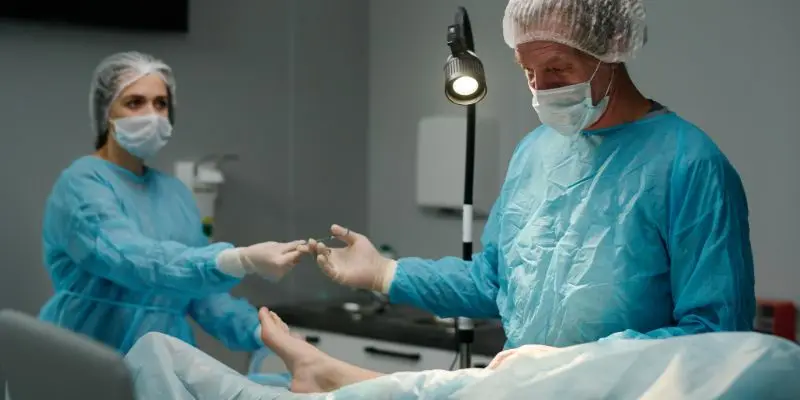
If none of the methods described above have been successful in alleviating the pain and general discomfort caused by brachymetatarsia, it may be time to consider surgery . It's always the last resort when less invasive therapies haven't yielded the desired results. Among the most modern techniques is distraction osteogenesis , which is incredibly effective at promoting gradual bone growth.
The SmartHallux medical team will determine whether surgery is necessary . Brachymetatarsia is one of the conditions we treat best. We use advanced technology and minimally invasive surgery to ensure the operated foot heals quickly. This way, you can finally walk without pain. Visit our website and book an appointment now.