
Foot Calcification: Everything You Need to Know
Calcification in the foot means calcium deposits forming in tendons, joints or soft tissue, after injury or inflammation. The symptoms and how it is treated.
By Dr. Luigi ManziUpdated on
Foot pain that doesn't go away and a feeling of stiffness? It could be calcification. of the foot.
Le foot calcifications They're a more common condition than you might think. Often overlooked, they can negatively impact quality of life, especially when associated with pain, limited movement, or difficulty walking. But what exactly is it? And what are the available treatments?
In this article, we provide a simple and comprehensive analysis of what calcifications are, how they form, and the most effective treatments, including the minimally invasive approach developed by SmartHallux.
What is foot calcification?
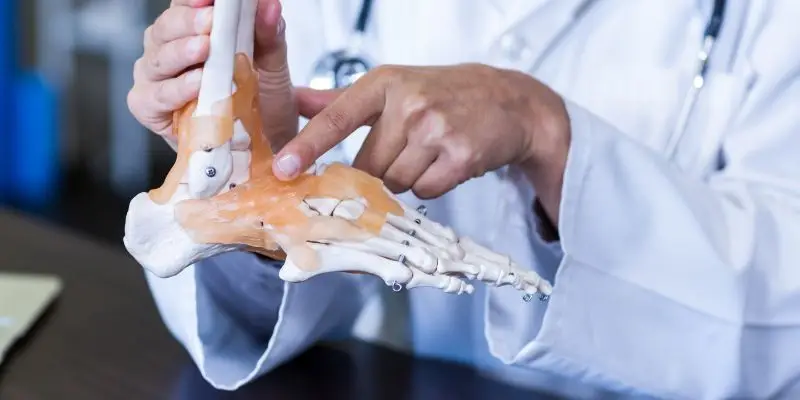
Calcifications are calcium deposits that accumulate in the soft tissues of the foot: tendons, ligaments, or joints. Depending on the area involved, they can be classified as:
- Tendon calcifications, such as those affecting the Achilles tendon
- Bone calcifications, often linked to trauma or chronic inflammation
- Joint calcifications, typical of degenerative conditions such as osteoarthritis
What symptoms can it cause?

Not all calcifications cause pain. However, when they become symptomatic, they may manifest as:
- Localized pain, often worsened by physical activity or pressure
- Joint stiffness
- Swelling or redness
- Functional limitation (difficulty walking, climbing stairs, running)
The disorder can appear gradually or acutely, especially after trauma.
What causes calcification?

The causes of foot calcification are not always known, but there are factors that increase the risk:
- Repetitive microtraumas (typical of athletes)
- Unsuitable footwear
- Incorrect posture
- Overweight
- Arthritis and rheumatic diseases
- Genetic predisposition
The aging process can also predispose to calcium deposits in soft tissues.
How is it diagnosed?

The diagnosis begins with an orthopedic examination, followed by instrumental tests:
- Radiography: allows you to view bone calcification
- Ultrasound: useful for evaluating soft tissues
- MRI or CT scan: indicated in complex cases to study the exact location of the deposit
What treatments are available?

Conservative therapies
In the initial stages or in the absence of severe pain, you can intervene with:
- Anti-inflammatory drugs
- Physiotherapy
- Shock waves, to break down the calcific deposit
- Local infiltrations
Minimally invasive surgery
If the calcification is extensive, causes chronic pain, or does not respond to conservative treatments, surgery may be necessary. The SmartHallux method , developed by Dr. Luigi Manzi, allows:
- Precise deposit removal
- Short recovery times
- Minimal post-operative pain
- Reduced incisions and optimal aesthetic result
Post-operative recovery

After the surgery, the patient is followed through a rehabilitation program that includes:
- Periodic checks
- Targeted exercises for mobility and strengthening
- Personalized support until a full return to daily activity
Can calcification be prevented?

Yes, by adopting some precautions:
- Uses comfortable, well-cushioned shoes
- Maintain a balanced body weight
- Stretch before and after exercise.
- Avoid high-impact sports if you already have joint discomfort
Postural prevention , with the help of a physiotherapist or custom-made insoles, can also help.
Possible complications if left untreated

If ignored, calcification can lead to:
- Chronic persistent pain
- Restriction of movement
- Development of foot osteoarthritis
- Joint deformations
SmartHallux: When to see a specialist?

Do you have foot pain and suspect calcification? Don't wait for it to get worse; seek medical advice. The SmartHallux team treats conditions such as hallux valgus , Morton's neuroma , and other deformities that cause foot pain. Providing comprehensive support throughout the treatment process, SmartHallux can be a winning choice for effective treatment tailored to your needs. Book your specialist consultation with the SmartHallux team now (opens in a new tab).
FAQ
What is foot calcification?
It's the accumulation of calcium in the soft tissues or joints of the foot. It can be asymptomatic or cause pain and stiffness.
How is it treated?
It depends on the severity: you can start with medications and physical therapy. If necessary, surgical removal is performed, preferably using a minimally invasive technique.
How long does it take to heal?
With conservative treatment, it lasts from a few weeks to 2-3 months. After surgery, complete recovery occurs in about 4-6 weeks.