
Foot Problem Solving: A Complete Guide to Regaining Well-Being
Solving foot problems starts with understanding the cause: pain, deformities, skin and nail issues. A practical guide to the most common ones and what to do.
By Dr. Luigi ManziUpdated on
The feet are the foundation of our body, yet they are often neglected, leading to pain and discomfort. They have a complex skeleton, composed of 26 bones that articulate with each other to ensure stability, balance, and propulsion during movement. They are a particularly complex part of our body, as the joints and bones that comprise them are interconnected and interdependent. For this very reason, it is essential to address foot problems from the first signs of discomfort.
Foot function is often compromised by poor behavior, leading to foot problems such as inflammation and deformities. These can compromise the quality of life and, if not properly treated, can worsen and hinder daily activities, resulting in conditions such as hammertoes, bursitis, and severe calluses.
Causes of foot problems

Several conditions can cause foot problems:
- Incorrect posture: incorrect support can lead to pain and overload.
- Improper footwear: Tight, high-heeled, or unsupportive shoes can deform the foot.
- Overweight: Excess weight puts stress on the joints.
- Trauma and injuries: Sprains, fractures, and microtraumas can cause chronic pain.
- Diseases: Conditions such as diabetes, arthritis, and neuropathy can affect foot health.
Adopting healthy habits, such as choosing the right footwear and maintaining a healthy weight, helps prevent many of these foot problems.
Most common symptoms of foot problems

Foot disorders manifest themselves with variable symptoms:
- Pain and burning sensation: localized under the sole, on the heel or on the toes.
- Swelling and redness: signs of inflammation or fluid retention.
- Tingling and loss of sensation: Often linked to nerve problems in the foot.
- Difficulty moving: Joint stiffness or severe pain can make walking difficult.
If these symptoms persist for more than a few weeks or if swelling and redness appear for no apparent reason, it is essential to consult a specialist for an accurate diagnosis.
Diagnosing foot problems

To identify the causes of pain, doctors use several diagnostic techniques:
- Objective examination: evaluation of posture and foot support.
- X-rays and MRIs: To detect fractures or joint problems in the foot.
- Ultrasound: useful for analyzing inflammation and lesions of soft tissues.
An early diagnosis allows you to choose the most appropriate treatment and avoid complications.
Treatments for foot problems
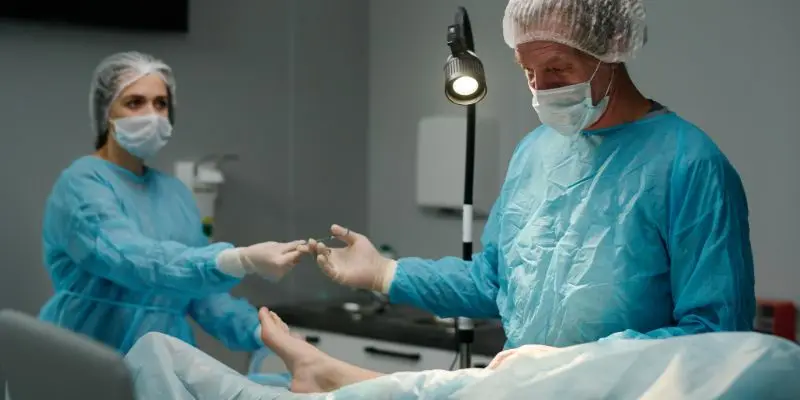
Treatment options vary depending on the severity of the problem:
- Anti-inflammatory and painkilling drugs: to relieve pain and inflammation.
- Physiotherapy: Specific exercises improve mobility and muscle strength.
- Orthotic insoles: customized insoles correct postural defects.
- Infiltrations: Cortisone or hyaluronic acid injections reduce pain in more severe cases.
- Surgery: In advanced situations, such as hallux valgus or Morton's neuroma, surgery may be necessary.
Recovery and rehabilitation

After treatment, it is essential to follow a rehabilitation program, following medical advice to speed up recovery and prevent relapses.
There are some common approaches to relieve symptoms and prevent complications:
- The use of custom orthotics and supports to correct alignment and evenly distribute body weight. These, for example, can be particularly helpful for hallux valgus and Morton's neuroma.
- Doing specific toe exercises (such as stretching and spreading the soles of each toe and inserting your fingers deeply between your toes to separate them) can help relax the muscles, improve circulation, and ensure flexibility.
- The use of anti-inflammatory drugs and ointments helps reduce pain and swelling in cases of acute inflammation of the toes.
Preventing foot problems is certainly possible. Wear comfortable shoes, maintain a healthy weight, and perform stretching exercises.
Taking care of your feet is essential for overall well-being. For this reason, never underestimate persistent pain or obvious deformities. Consulting a specialist is essential for chronic pain that cannot be resolved with home remedies, as well as for advanced deformities that compromise mobility.
A timely diagnosis allows for appropriate treatment and improves quality of life, preventing the toe problem from worsening in time. A correct diagnosis is essential to properly address the problem and avoid recurrence and possible surgical intervention.
SmartHallux: An innovative approach to foot care

SmartHallux offers an innovative solution, combining advanced technologies and accurate diagnosis, for personalized treatment of foot pain. Thanks to the expertise of a team of expert surgeons, led by Dr. Luigi Manzi , SmartHallux offers innovative treatments ranging from diagnosis to surgery, if necessary.
The team treats conditions such as hallux valgus , Morton's neuroma , and other deformities that cause foot pain. Providing comprehensive support throughout the treatment process, including post-operative recovery, SmartHallux can be a winning choice for effective treatment tailored to your needs. Book your video consultation with Dr. Luigi Manzi now .