
Heel Hematoma: What You Need to Know When Your Foot Fills with Blood
A heel hematoma is a collection of blood under the skin of the heel after a knock or a hard landing. Why it hurts, how long it lasts and how it is treated.
By Dr. Luigi ManziUpdated on
Have you ever slammed your heel? Maybe you fell down the stairs, got hit playing soccer, or simply walked all day in the wrong shoes. The next day, your heel is swollen, painful, and maybe even a nice purple-black color.
What you have is probably a hematoma on your heel. It's nothing dramatic, don't worry. But it's one of those things that, if not treated properly, can bother you for weeks.
I see a lot of them in my office, especially this time of year when everyone's back to running after the winter. Let's take a look at what happens when the heel "fills with blood"—which is exactly what a hematoma means.
What is a heel hematoma really?
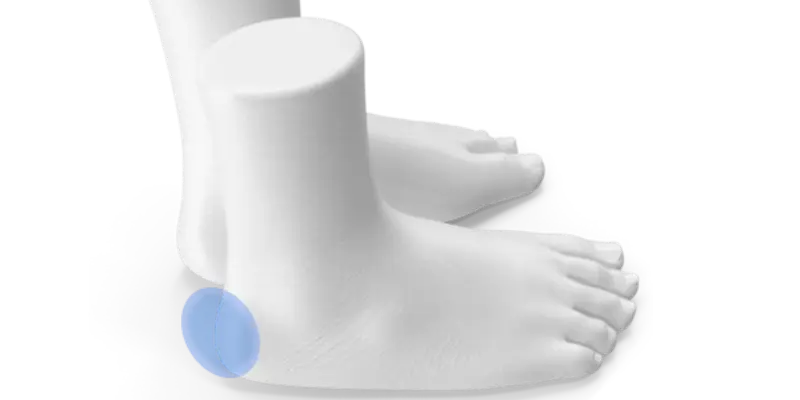
Let's start with the basics. A hematoma is nothing more than blood collecting where it shouldn't be—in this case, under the skin of the heel. It's like a small water pipe bursting in your house: the water collects wherever it can, forming a sort of "lake."
The difference is that here the water is blood, and the lake forms between the tissues of the heel. That's why it turns purple, swollen, and hurts when you put weight on it.
The heel, by the way, is a peculiar area. It contains numerous blood vessels, tendons, and soft tissues. When a hematoma forms there, it can be more bothersome than it seems because every time you walk, your body weight presses directly on that inflamed area.
Why does it happen? The most common causes

After all, the heel doesn't "fill up with blood" by accident. There are always specific reasons. The most obvious? Direct trauma. You know when you stumble down a high curb, or when something heavy falls on your foot? That's it.
But it's not just a matter of dramatic accidents. I often see heel bruises in people who have simply overdone their exercise. This is especially true for runners who decide to increase their mileage too quickly, or those returning to tennis after months of inactivity.
The wrong shoes are another very common cause. Heels that are too high completely change the way the foot strikes. Or old sneakers with worn-out cushioning. I've had patients with heel bruises caused simply by a day out shopping in new shoes that were too tight.
And then there are conditions that predispose to the problem. Diabetes, for example, makes tissues more fragile. Some autoimmune diseases also contribute. Arthritis, which inflames the ankle and foot joints, makes everything more delicate.
Symptoms: What Your Heel Tells You

Pain is the first warning sign. Not just any ache, but the kind that gets worse when you put weight on it. It's different from the pain of plantar fasciitis or heel pain—you can recognize it immediately because it's localized and throbbing.
Swelling almost always accompanies pain. The heel swells and becomes tender to the touch. Patients often tell me, "Doctor, it feels like there's a lump under the skin."
Visible bruising is the most obvious sign. It starts out purple, then turns blue-black, and finally yellow-green as it reabsorbs. This is the normal healing process of red blood cells breaking down.
Walking becomes difficult. Not impossible, but uncomfortable. Many patients develop a "limp" gait to avoid putting too much weight on the painful heel.
How do I diagnose in my office?

When a patient comes to me with a suspected heel hematoma, the first thing I do is look and feel. It seems trivial, but the physical examination already tells me a lot. I palpate the area, assess the swelling, and check for any particularly tender spots.
Then I always ask: "How did it happen? When did you start feeling pain?" The patient's history is crucial. Direct trauma has different characteristics than pain that appeared gradually.
If I have any doubts, I order an X-ray. Not so much to see the hematoma—you can't see that on X-rays—but to rule out fractures. Especially if the trauma was severe, I need to be sure there are no hidden bone lesions.
I use ultrasound when I suspect that there may be soft tissue injuries in addition to the hematoma. Tendon ruptures, for example, or more significant fluid collections that may require drainage.
Treatment options that actually work
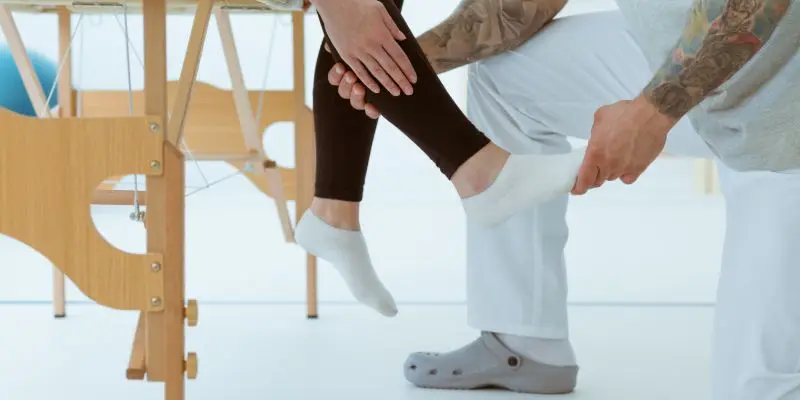
Rest is the foundation of everything. I know, it sounds like the most boring advice in the world, but it's true. The heel needs time to reabsorb accumulated blood and repair damaged tissue.
Ice is essential for the first 48 hours. Not directly on the skin—never!—but wrapped in a cloth. Apply for twenty minutes every two to three hours. It helps reduce swelling and provides some pain relief.
For medications, I usually recommend anti-inflammatories like ibuprofen. They not only relieve pain, but also reduce inflammation. But be careful: never take them for long periods without medical supervision.
Physiotherapy becomes useful once the acute pain has subsided. Exercises to maintain ankle mobility, gentle stretching, and gradual strengthening are recommended. The physiotherapist knows how to guide the patient without making the situation worse.
In more complicated cases, I sometimes use cortisone injections. But they're reserved for specific situations, when the inflammation is severe and doesn't respond to other treatments.
Surgery? It's extremely rare for a simple heel hematoma. Only if there are serious complications or if the hematoma is so large it's causing circulation problems.
How long does it take to fully heal?

This is the question everyone asks me. The honest answer? It depends. A small hematoma can resolve in 10-15 days. A larger one can take 4-6 weeks.
I usually see patients start to feel better after the first week, but it takes time for it to completely disappear. It's normal for bruises to change color for weeks—it doesn't mean you're getting worse.
During recovery, it's important not to overdo it. I've seen too many patients return to running as soon as they feel a little better, only to find themselves with swollen heels again a week later.
How to prevent future heel bruises
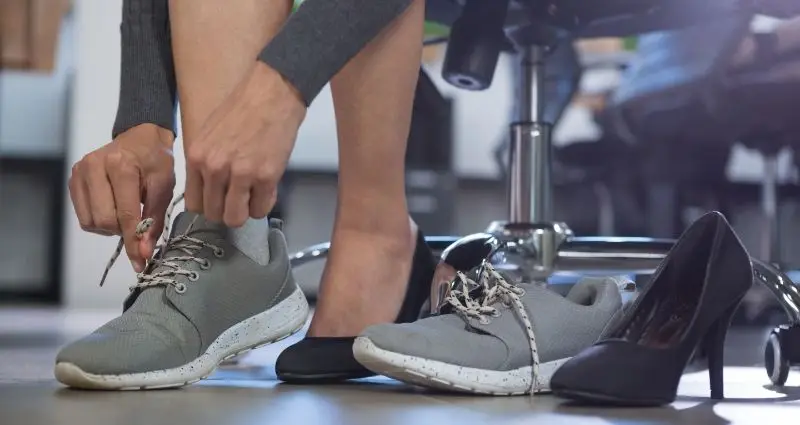
The right shoes make all the difference. Good arch support, adequate cushioning, and the right size. It's not about spending a fortune, but about choosing the right footwear for what you do.
Warming up before exercise isn't a waste of time. Five minutes of light stretching can save you weeks of soreness. And when you resume physical activity after a break, do it gradually.
Body weight matters. More weight means more pressure on your heels with every step. I'm not suggesting you get skinny, but maintaining a reasonable weight helps all the structures of the foot.
SmartHallux: Where we can help you

Here at SmartHallux, we specialize in foot and ankle surgery. Dr. Luigi Manzi, who has extensive experience in this field, provides each patient with a personalized treatment plan using the most modern and least invasive techniques possible.
Our approach is to solve the problem in the most effective way, with the least amount of discomfort for the patient. We perform many procedures as day surgery, without hospitalization. And for emergencies such as Achilles tendon rupture, we have a dedicated emergency room service.
The SmartHallux team treats conditions such as hallux valgus , Morton's neuroma , and other deformities that cause foot pain. Providing comprehensive support throughout the treatment process, SmartHallux can be a winning choice for effective treatment tailored to your needs. Book your specialist consultation with the SmartHallux team now (opens in a new tab).
Questions you often ask me
Doctor, can a heel hematoma become dangerous?
In the vast majority of cases, no. It's annoying but not dangerous. However, if you notice signs of infection—spreading redness, excessive heat, fever—then it's best to get checked out right away.
Can I continue walking normally?
It depends on the pain. If you can walk without too much of a limp, that's fine. But if you have to walk in a strange way to avoid the pain, it's best to rest for a few more days.
Is it true that massage helps reabsorb the hematoma?
No, on the contrary. In acute phases, massage can worsen bleeding. It's best to wait until the acute pain subsides before considering a massage.
How long should I wait before I can run again?
Once you can walk normally without pain, you can start thinking about running. But build up gradually—first brisk walks, then light jogs. Listen to your body.