
Hindfoot Valgus: Effective Remedies for Regaining Stability
Hindfoot valgus is a heel that tilts outward, often with a flattened arch, causing instability and ankle pain. Causes and remedies, from insoles to surgery.
By Dr. Luigi ManziUpdated on
Is your foot struggling to find balance? Do you ever feel like your heel is "slipping" outward when you walk? It could be hindfoot valgus. It's a condition I see often in my office, and I have to tell you that many patients come to me thinking they have something serious, when in reality it's a fairly common problem and, more importantly, a fixable one.
Hindfoot valgus is essentially an outward deviation of the heel—imagine your heel tilting laterally, instead of staying straight under your leg, as if it were "falling" to one side. It's not just a cosmetic issue. This deformity can create a series of problems that affect the entire lower limb.
What exactly is hindfoot valgus?
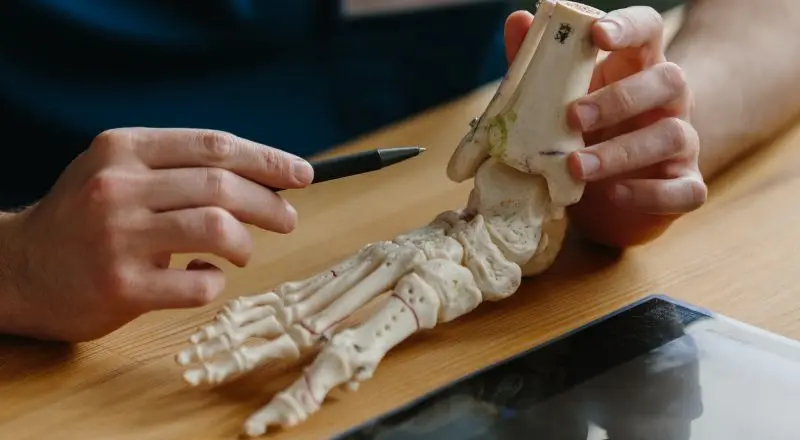
When I discuss hindfoot valgus with my patients, I often use a simple metaphor. Think of your foot like a house: if the foundation (the hindfoot) isn't properly aligned, the entire structure above suffers. Hindfoot valgus is precisely that: a misalignment of the back of the foot that compromises the stability of the entire biomechanical chain.
The affected area is the calcaneus and talus. When these two bones lose their normal relationship, the heel shifts outward. It's as if the foot "collapses" inward, losing the natural support that should give us stability while walking.
I've noticed that patients with bilateral hindfoot valgus—that is, both feet affected—often have a harder time initially recognizing the problem, because there's no comparison with the other foot. "It's normal, I've always walked this way," they tell me. But normal doesn't mean correct.
The causes? More than you think.
Why does it happen? There are several reasons, and often there's never a single cause. Genetic predisposition plays a significant role—if your father or mother had similar problems, the likelihood increases. But not everything is written in DNA.
High-impact physical activity can contribute, especially if done without proper precautions or with inappropriate footwear. The other day, a runner came to me who had been running for years in shoes that were completely wrong for her foot type. The result? Hindfoot valgus and a series of compensatory factors that caused pain all the way up to her knee.
Shoes are truly crucial. Years of wearing high heels, shoes without adequate support, shoes that are too tight or too loose: all of these can contribute to the problem. And then there's body weight: obesity places excessive strain on the foot structures, promoting this type of deformity.
In some cases, especially in children, there may be underlying neurological problems that alter muscle tone and coordination.
Symptoms You Shouldn't Ignore
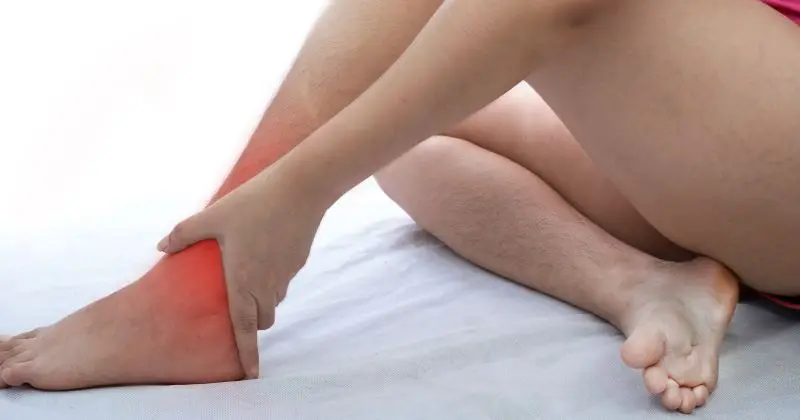
Pain is often the first warning sign. It's not always localized to the heel—it can appear in the ankle, on the outside of the foot, or sometimes even in the calf. "Doctor, it hurts here when I walk," they tell me, pointing to different areas of the foot.
Instability is another common symptom. Do you ever feel like your foot isn't holding up? That you lack secure support, especially on uneven terrain? This is exactly what happens when the rearfoot loses its natural alignment.
Difficulty walking can manifest itself in various ways: early fatigue, the need to take more frequent breaks, or an involuntary change in gait. Some patients tell me they've noticed their shoes wear out in an unusual way, with everything shifting to one side.
And then there's the visible deformity. It's not always obvious, but looking at the foot from behind, you can see how the heel isn't aligned with the leg.
How do I diagnose?

When a patient comes to me with these symptoms, the first thing I do is observe how they walk. I observe their stance, the movement of the foot during walking, and any compensatory measures the body is making to adapt to the problem.
Then comes the actual physical exam. I examine the alignment of the hindfoot both when unloaded (patient sitting) and when weight-bearing (standing). I assess joint mobility and the strength of the muscles that control foot movement. This is an exam that requires experience because sometimes the differences are subtle.
X-rays are often necessary to confirm what I see clinically and to evaluate any associated bone changes. In specific cases, when I suspect soft tissue problems, an MRI may be useful.
Treatment options: Let's start with the simple
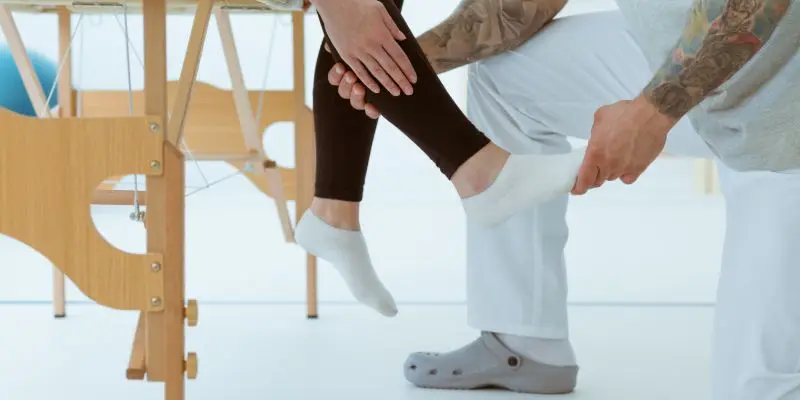
The good news is that surgery isn't always necessary. In fact, in most cases we start with conservative approaches that yield excellent results.
Customized orthotics are often the first step. I'm not talking about the insoles you buy at the supermarket, but devices made specifically for your foot, after an in-depth study of your biomechanics. They reposition the foot and redistribute loads in a more physiological way.
Physiotherapy plays a fundamental role. Specific exercises strengthen the muscles that control foot inversion, stretching improves flexibility, and proprioception helps restore stability. It requires consistency, but the results are visible.
The right shoes make all the difference. They should have good arch support, a sturdy heel counter, and the correct size. I often give my patients specific advice on what to look for when buying new shoes.
When surgery is necessary
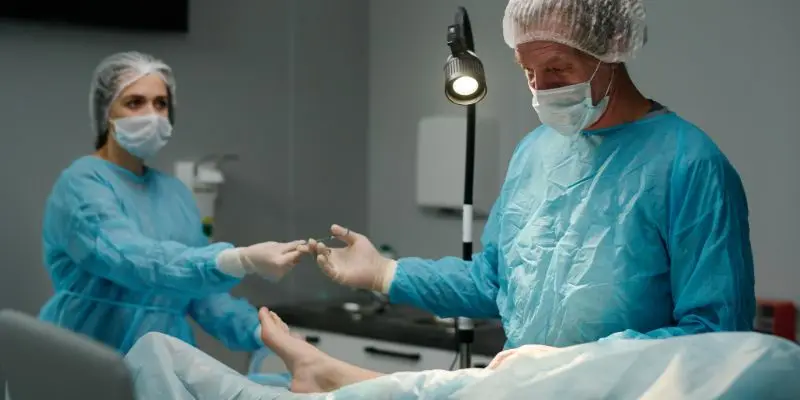
If conservative treatment isn't enough, then we can consider surgery. It's not a decision I make lightly—I always carefully evaluate the benefits and risks for each individual patient.
Calcaneal osteotomy is one of the most common surgeries. It involves cutting the heel bone and repositioning it more correctly. It seems drastic, but when necessary, it provides very good results. Recovery requires a few weeks of immobilization, followed by physiotherapy to return to full function.
In more complex cases, arthrodesis—the fusion of some joints in the hindfoot—may be necessary. This is a more complex procedure, but sometimes it's the only solution for long-lasting stability.
Prevention is always better
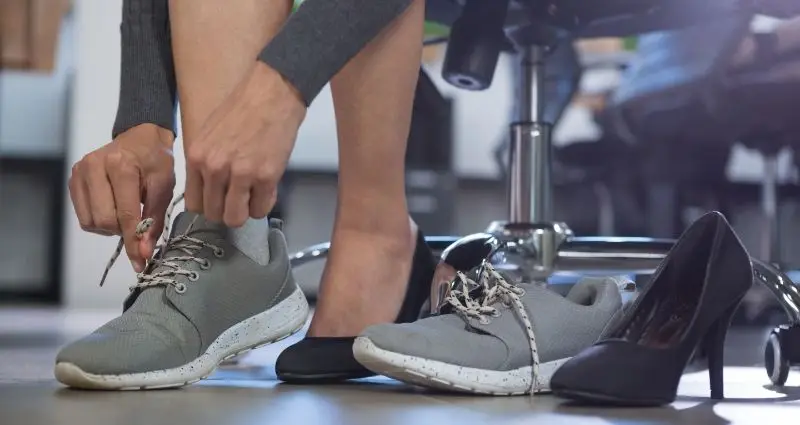
I always tell my patients: prevention is better than cure. Choose quality shoes with the right support. If you play sports, invest in footwear specifically designed for your sport and foot type.
Maintain a healthy body weight—every extra pound puts 4-5 pounds of additional pressure on your foot joints when walking. Exercise to keep your foot and ankle muscles strong. You don't need hours in the gym; 10-15 minutes of targeted exercise a day is enough.
SmartHallux: Where we can help you

Here at SmartHallux, we specialize in foot and ankle surgery. Dr. Luigi Manzi, who has extensive experience in this field, provides each patient with a personalized treatment plan using the most modern techniques.
The SmartHallux team treats conditions such as hallux valgus , Morton's neuroma , and other deformities that cause foot pain. Providing comprehensive support throughout the treatment process, SmartHallux can be a winning choice for effective treatment tailored to your needs. Book your specialist consultation with the SmartHallux team now (opens in a new tab).
Questions you often ask me
Can hindfoot valgus be completely corrected?
It depends on the severity and when we begin treatment. In mild cases, we can often achieve very good correction with conservative treatment. In more severe cases, surgery can yield excellent results, but it's important to have realistic expectations.
How long does it take to see improvements?
With orthotics and physiotherapy, the first benefits are often seen after 4-6 weeks. Long-term improvement usually takes 3-6 months of consistent treatment. After surgery, full recovery can take 6-12 months.
Can I continue to play sports?
Absolutely, but with the right precautions. During treatment, you may need to temporarily modify your activity. Once the problem is resolved, there are usually no particular limitations.