
What are the right shoes for hollow feet?
Suitable shoes are essential for high arches to ensure adequate support, reduce symptoms, and improve stability while walking.
By Dr. Luigi ManziUpdated on
High arch foot is a structural abnormality characterized by an increased longitudinal arch of the foot. This type of problem can have various origins. Some are congenital and include bone or muscle malformations. For example, high arch foot may be caused by family members having the same problem. The condition does not worsen and appears in early childhood. Fortunately, in this case, it also resolves with growth.
Suitable shoes are essential for high arches to ensure adequate support, reduce symptoms, and improve stability while walking.
Another cause of hollow foot can be the presence in the patient of diseases involving the central nervous system or latent neurological diseases and which, since they are quite serious, must be treated as soon as possible.
Finally, high arches can also be caused by trauma or injury. Some complex fractures can affect the midfoot, causing a raised arch.
Regardless of the trigger, those suffering from this condition experience various symptoms, such as pain in the sole of the foot and ankle instability. Other warning signs may include calluses on the front of the foot and the appearance of claw toes.
Problems caused by hollow foot

In addition to the typical symptoms of this type of problem—pain, a feeling of instability, and deformity—it should be noted that high arches can also have some implications for the sufferer's posture and mobility. In any case, this condition may represent the tip of the iceberg of more serious neurological conditions that should not be underestimated.
Treatment of hollow foot

When you suspect a high arch, the first thing to do is consult a specialist. During the visit, the doctor will take the patient's medical history and perform a thorough examination, both lying down and standing. The doctor will observe how the patient walks and how their foot strikes the ground to gain a more precise understanding of how their feet function. This observation is essential to determine whether a high arch problem exists and what type it is.
To confirm the diagnosis of cavus foot and better assess the most effective treatments, your doctor may order some tests. He or she will decide which ones are necessary based on what he or she sees during the examination. The goal is to understand the patient's problem as fully as possible and then choose the most appropriate treatment.
Among the tests to be done for hollow foot:
- Weight-bearing foot x-ray: this is the most common test and is used to clearly see the bones and joints of the foot.
- CT scan of the feet under load: it is done only in some specific cases, when the doctor needs more details about the bones.
- Magnetic resonance: it is a rarer test, but useful for studying the soft tissues of the foot, such as muscles and ligaments.
- Ultrasound: this is also uncommon and is mainly used to evaluate tendons and ligaments.
The most effective treatment is determined based on the cause of the hollow foot and the severity of the deformity. Conservative interventions, always recommended unless the condition is neuromuscular, include the use of insoles, which help prevent overloading and distribute pressure when the foot is placed on the ground. Exercises can also be performed to improve flexibility and foot muscle strength, relieve pain, and improve posture.
When conservative treatment fails to resolve the problem of high arches, surgery may be necessary, involving various interventions on the bone. Possible procedures for treating high arches include osteotomies of the calcaneus or metatarsals, or arthrodesis, which involves blocking one or two joints, including the big toe or claw toes.
What are the right shoes for a hollow foot?
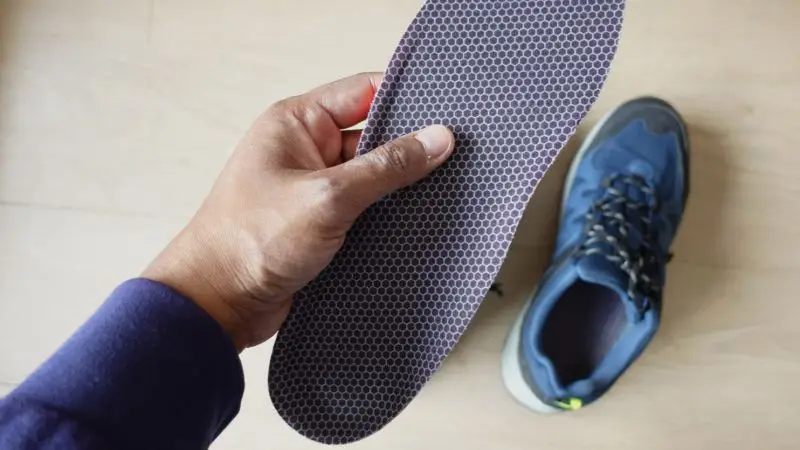
When you suffer from a high arch, wearing the right shoes can make a difference in improving your quality of life. The recommended footwear for those who suffer from this condition is one that offers good support and adequate cushioning.
The important features that shoes suitable for hollow feet must have are a flexible sole, which allows the foot to move naturally, and the absence of excessively high heels, which can worsen the condition.
In some cases, when the high arch of the foot is more pronounced or causes instability, your doctor may recommend the use of orthopedic shoes or braces. These devices are more rigid than regular shoes and offer greater lateral support, helping stabilize the foot and reduce stress during walking.
If the problem of high arches is particularly complex, orthopedic shoes may not be enough. In these cases, custom-made insoles or orthotics, made specifically for the patient's foot, may be helpful. These devices help better distribute body weight and reduce pain.
Obviously, it's difficult to predict the best solutions for this type of problem. Every person is different, and so is every foot. For this reason, it's always best to consult your doctor or podiatrist to find the best shoes for your type of high arch foot.
SmartHallux: An innovative approach to foot care

SmartHallux offers an innovative solution, combining advanced technologies and accurate diagnosis, for personalized treatment of foot pain. Thanks to the expertise of a team of expert surgeons, led by Dr. Luigi Manzi , SmartHallux offers innovative treatments ranging from diagnosis to surgery, if necessary.
The team treats conditions such as high arches, hallux valgus, and other deformities that cause toe pain. Providing comprehensive support throughout the treatment process, including post-operative recovery, SmartHallux can be a winning choice for effective treatment tailored to your needs. Book your video consultation with Dr. Luigi Manzi now .