
Fasciitis Insoles: How to Relieve Pain and Improve Your Quality of Life
Insoles for fasciitis support the arch and cushion the heel, easing the strain on the plantar fascia. Which type to choose and when custom orthotics help.
By Dr. Luigi ManziUpdated on
Do you wake up in the morning and feel a sharp pain in your heel, right from the first step? This type of pain is all too familiar to those suffering from plantar fasciitis , a common and annoying condition. But the good news is that there are effective solutions, including plantar fasciitis insoles , that can make a real difference in your daily life.
What is Plantar Fasciitis?

Plantar fasciitis is an inflammation of the fascia that runs along the sole of the foot, a key structure that supports the arch of the foot and cushions our movements. When this fascia is subjected to continuous stress, it can become inflamed, causing pain, especially in the heel.
The most common symptoms include:
- Heel pain, especially when waking up
- Stiffness and sensitivity in the bottom of the foot
- Discomfort that worsens after long periods of standing or walking
Why Are Insoles an Effective Solution?

Plantar fasciitis insoles are customized or generic therapeutic devices designed to provide targeted support. But they're not all the same: understanding their benefits can help you choose the one that's right for you.
Here's what they can offer:
- Arch support to reduce tension on the inflamed fascia
- Cushioning to reduce the impact at each step
- Posture correction and better foot alignment
Which Type of Insole Is Right for You?
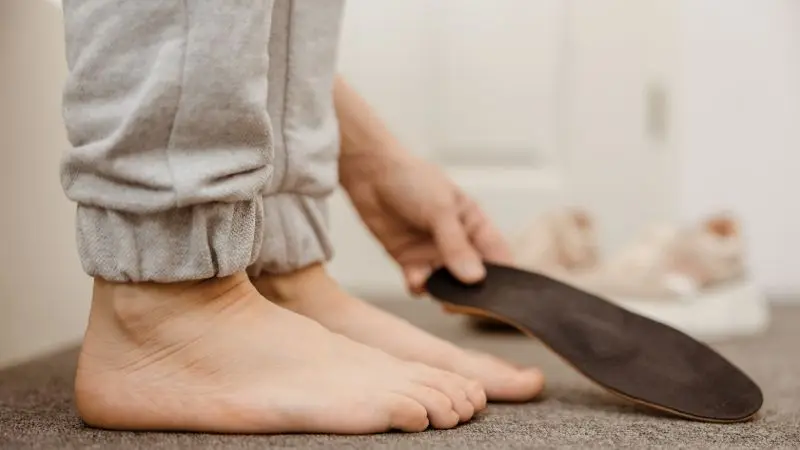
There's no single "magic insole" that fits everyone. Here's a helpful overview:
- Custom-made insoles – created based on your fingerprint, ideal for severe cases
- Sports insoles – designed to absorb shock during physical activity
- Night insoles – keep your arch straight while you sleep
How to Use Them Best?
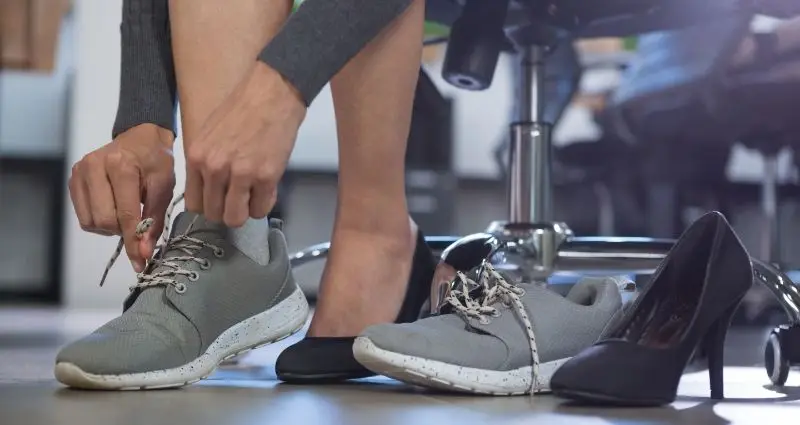
To get maximum benefits:
- Wear fasciitis insoles most of the time
- Gradually increase the usage time if you are just starting out.
- Avoid open shoes: Fasciitis insoles work best with closed shoes.
- Remember to replace them regularly
Complementary Treatments

Plantar fasciitis insoles aren't the only remedy for plantar fasciitis. You can combine them with:
- Ice applications
- Anti-inflammatory drugs
- Stretching exercises for the calf and foot
- Targeted physiotherapy
SmartHallux: for the care of your feet

If the pain persists or worsens despite home treatments, it's time to take action. Don't wait for things to get worse.
Foot fasciitis insoles are a real help for regaining pain-free walking. But choosing the right insole makes all the difference. Investing in the right solution means improving your posture, reducing inflammation, and, above all, regaining the pleasure of moving around.
Dr. Luigi Manzi, an orthopedic surgeon specializing in advanced foot and ankle surgery, and the medical director for Italy for SmartHallux , coordinates a team that focuses on foot and ankle care, offering all types of treatments based on the most modern surgical and conservative techniques.
The team treats conditions such as hallux valgus , Morton's neuroma , and other deformities that cause foot pain. Providing comprehensive support throughout the treatment process, including post-operative recovery, SmartHallux can be a winning choice for effective treatment tailored to your needs. Book your specialist consultation with the SmartHallux team now (opens in a new tab) to help you choose the right insole.
FAQ
What causes plantar fasciitis?
High-impact activities, ill-fitting shoes, flat feet, or obesity can irritate the plantar fascia.
What symptoms should you be concerned about?
Heel pain when waking up, stiffness, discomfort that radiates into the arch of the foot.
How is it diagnosed?
Through physical examination and medical history. In some cases, similar conditions such as heel spurs or Achilles tendinitis are ruled out.