
Living with Brachymetatarsia: Patient Stories
Brachymetatarsia is a condition that forces you to adapt your daily life to the poor ability to mobilize and live with brachymetatarsia
By Dr. Luigi ManziUpdated on
Brachymetatarsia is a condition that forces you to adapt your daily life to your limited mobility, and living with brachymetatarsia becomes complicated. This often causes psychological problems as well. In addition to the physical discomfort caused by the inability to wear normal shoes , there are side effects that affect self-esteem. In this article, we'll explore some personal stories of those living with brachymetatarsia. We'll discuss the importance of surgical and psychological support to best manage the condition in everyday life.
The physical and emotional challenges of brachymetatarsia

Brachymetatarsia affects a person's mobility and balance. The abnormally shortened metatarsals lead to problems while walking and make it difficult to maintain balance, especially on uneven surfaces.
All of this causes painful and uneven walking, which increases physical fatigue and causes foot or back pain. People with brachymetatarsia are often unable to play sports or carry out normal daily activities . Their quality of life is severely affected.
Impact on self-esteem and mental well-being

Those suffering from brachymetatarsia face more than just physical problems . The condition also has serious repercussions on a person's emotional and psychological well-being . Many patients experience discomfort when looking at their feet. Shyness, depression, and social isolation are common.
Becoming aware and stigmatizing the condition only lowers self-esteem . For this reason, psychological support is essential, helping patients manage emotional distress.
Daily life experiences with brachymetatarsia: healing and acceptance

Many patients with brachymetatarsia have shared various aspects of their daily lives. For example, one patient described how simply choosing the right shoes can be stressful. It's not easy to find the perfect pair of shoes for an abnormal foot shape. Another example involves a young athlete who dreamed of competing in running events . The condition hindered him, forcing him to reconsider and adapt his athletic goals.
Accepting all this isn't easy. One woman shared that, after several years of unsuccessful experimental surgical treatments , she was able to come to peace with herself only through various psychological support therapies and engaging in online communities of people with similar disorders. "Sharing experiences and coping strategies ," she said, "has given me the strength to face life with greater positivity and resilience."
Another patient spoke of the importance of specific exercises, which improved his foot mobility and strength. This led to significant improvements both physically and mentally, helping him regain confidence in his physical abilities.
Innovations in surgery
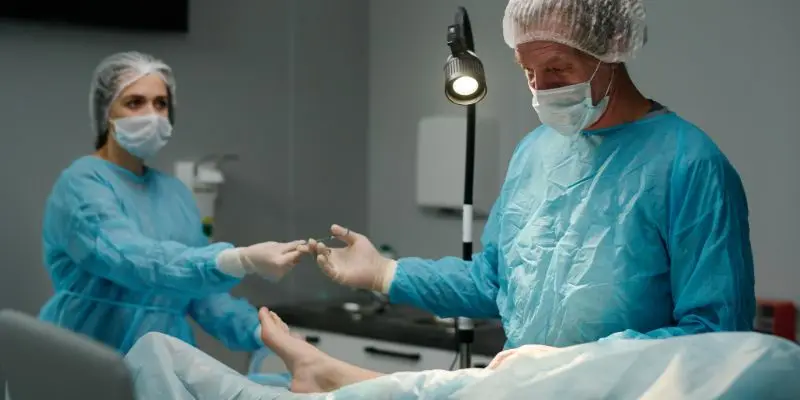
Ever-evolving medical technologies can help treat brachymetatarsia in increasingly effective ways. Various minimally invasive techniques and customized surgical guides have been developed , which reduce recovery times and improve physical appearance. Furthermore, biocompatible materials are being used that integrate better with the human body, reducing the risk of rejection and post-operative complications.
Living with Brachymetatarsia: Patient Quotes and Testimonials

In our research into the daily experiences of patients with brachymetatarsia , we collected several testimonials describing the challenges and positive aspects of this condition. Here's what they had to say:
- “At first, I struggled to accept my condition and talk openly about my difficulties. With the right support, I learned not only to manage the situation better, but to live fully.” – Lucia, 34.
- “Deciding to have surgery was one of the most difficult, but also most liberating, decisions of my life. It was like starting a new chapter, no longer having to hide behind uncomfortable shoes and pain.” – Marco, 28
- “The psychological support was just as important as the surgical one. Having someone who listened to my fears and guided me through them made a huge difference in my quality of life.” – Stefania, 22
These stories are just a few examples of the courage and resilience that many brachymetatarsia patients demonstrate every day. By sharing their experiences, we hope to offer comfort and inspiration to those in the same boat.