
Natural remedies for hallux rigidus and when it's time to act
Natural remedies for hallux rigidus, from stiff-soled shoes and toe mobility exercises to ice, can ease big toe arthritis. When they are no longer enough.
By Dr. Luigi ManziUpdated on
Hallux rigidus. The name says it all, right? It's one of those conditions that many patients initially underestimate, thinking it's just a "pain that will go away." Then they realize that the discomfort in their big toe not only doesn't go away, but gets worse. And walking becomes a problem.
Have you ever woken up in the morning and felt your big toe stuck, stiff, and painful when you first take a step? Well, that could be the problem. Hallux rigidus—or, more precisely, osteoarthritis of the metatarsophalangeal joint of the big toe—is more common than you think. And the good news? You're not doomed to live with it forever; there are natural remedies for hallux rigidus.
What exactly is happening to your big toe?

When we talk about hallux rigidus, we're talking about osteoarthritis. Essentially, the cartilage lining the joint at the base of the big toe wears away. Think of two smooth surfaces that should slide over each other without friction—when the cartilage deteriorates, it's as if these surfaces become rough, causing pain and limiting movement.
The affected joint is the one between the first metatarsal and the first phalanx of the big toe. It's a joint that works hard, really hard. Every time you walk, run, or simply stand on tiptoe, this joint has to flex upward. When it stiffens, that's when problems arise.
Why does it happen? The causes of hallux rigidus
After all, this condition doesn't just appear out of nowhere. There are several reasons you might develop hallux rigidus, and often there isn't a single cause but rather a combination of contributing factors.
Genetic predisposition plays a significant role. If your father or mother had similar problems, the likelihood increases. But it's not just a matter of DNA. Arthritis of the big toe can develop after trauma—perhaps that time you hurt yourself playing soccer and thought, "Well, it'll go away on its own." Sometimes it goes away, sometimes it doesn't.
Even the wrong footwear is a silent enemy. Shoes that are too tight, too small, or have excessively high heels can alter the biomechanics of the foot over time. And then there are conditions like gout, which can cause serious damage to the joint. Or bursitis, which causes chronic inflammation.
Symptoms: How to tell if it's really hallux rigidus
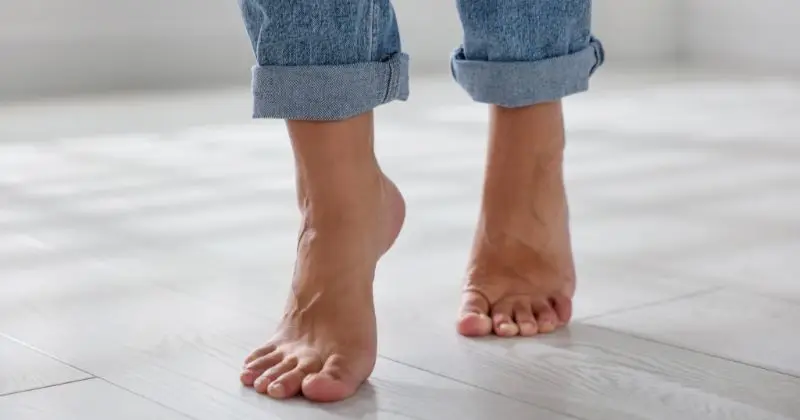
"Doctor, my big toe hurts when I walk." This is one of the phrases I hear most often. The pain of hallux rigidus is unique: it's often worse during activity, when the joint needs to move. In the morning, you may feel stiffness, which improves a little with movement but gets worse if you overdo it.
Swelling is another typical sign. The joint may appear larger, sometimes red. And then there's that "stuck" feeling—as if the big toe just doesn't want to bend upward as it should.
Many patients tell me they've started walking differently, avoiding putting weight on the forefoot. It's a natural defense mechanism, but in the long run, it can cause other back and knee problems. Sometimes, calluses or corns also form in unusual areas of the foot, precisely because their foot strike has changed.
How do I make the diagnosis in the office?

When a patient comes to me with these symptoms, the first thing I do is look and touch. I palpate the joint to assess the swelling, check how much the big toe moves (or rather, how much it doesn't move), and ask them to walk around to observe their gait.
Then there's the X-ray. It's crucial. It shows us the degree of arthritis, whether there are osteophytes (those small bony growths that form), and how much joint space is left. Sometimes, if I have concerns or want to better evaluate the soft tissues, I may request an MRI.
Correct diagnosis is crucial because it determines the type of treatment. Not all hallux rigidus are the same, and what works for one patient may not be right for another.
Natural Remedies: What You Can Do at Home

Now we come to the point that probably interests you most: What can you do at home to relieve the symptoms? I'll start by saying that these remedies for hallux rigidus can be very helpful in the initial stages or as a complement to other treatments, but don't expect miracles if the situation is already advanced.
Ice and rest: the first allies
Ice is a powerful natural anti-inflammatory. When the joint is swollen and painful, apply ice for 15-20 minutes, several times a day. Caution: never apply ice directly to the skin; always use a cloth. The cold reduces inflammation and has a temporary analgesic effect.
Rest is equally important. I'm not saying stop walking, but avoid activities that worsen the pain. If you run regularly, it might be time to take a break or switch to less impactful sports like swimming.
The right shoes make the difference
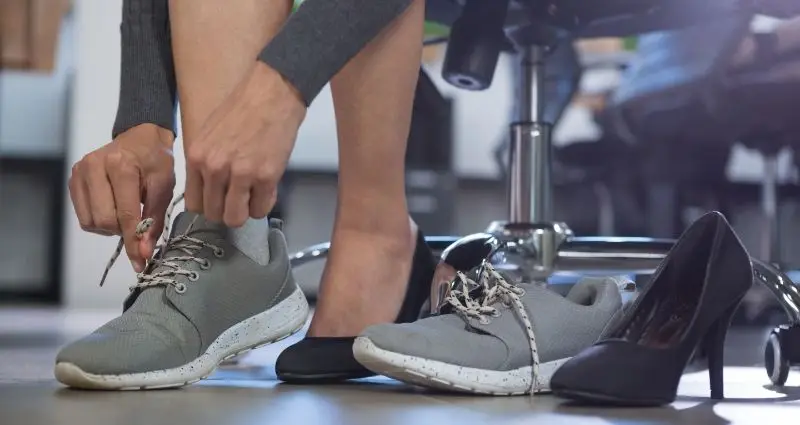
I need to be clear here: the wrong shoes can make everything worse. The right ones can really help. Look for shoes with a wide toe box that won't pinch the big toe. The heel? A low one, no more than 2-3 centimeters, is best. And importantly: a good, rigid sole can limit the movement of the painful joint.
Custom insoles are an investment I often recommend. Not the ones you buy at the supermarket, but the ones custom-made after a thorough foot analysis. They can redistribute pressure and support the arch, reducing stress on the big toe.
Specific exercises to maintain mobility
Even if your big toe is stiff, some targeted exercises can help maintain your residual range of motion and prevent you from completely losing flexibility. Using your hands, gently try to move your big toe up and down, keeping your foot still. Do this gently, without forcing.
Another helpful exercise: Place a tennis ball under your foot and roll it back and forth. This helps mobilize all the joints in the foot and can provide relief.
Herbal remedies: nature can help
Arnica is known for its anti-inflammatory properties. You can find it in ointment or gel form and apply it topically. Devil's claw and turmeric are other natural remedies that some patients find helpful, but always—and I emphasize always—after consulting your doctor. Even natural products may have contraindications or interact with other medications.
Medical treatments when natural remedies are not enough

Sometimes arthritis in the big toe requires a more aggressive approach. Anti-inflammatory drugs can provide significant relief, but they must be used wisely and always under medical supervision. Side effects on the stomach and kidneys should not be underestimated.
Cortisone injections are an option I consider when the pain is severe. They can provide months of relief, but they're not a permanent solution. And there's a limit to the number of injections that can be given to the same joint.
Then there's surgery. It's not the first choice, but when conservative treatments fail and quality of life is compromised, it can be a solution. The main techniques are arthrodesis (joint fusion) and arthroplasty (prosthetic replacement). Each has its pros and cons, which I evaluate on a case-by-case basis.
Prevention: better to avoid the problem
As always, prevention is better than cure. Choose comfortable, well-fitting shoes. Get regular exercise to keep your feet flexible and strong. Maintain a healthy weight to avoid overloading your joints. And if you start to experience persistent discomfort in your big toe, don't wait: the sooner you intervene, the better the results.
SmartHallux: Where we can help you

Here at SmartHallux, we specialize in foot and ankle surgery. Dr. Luigi Manzi, who has extensive experience in this field, provides each patient with a personalized treatment plan using the most modern techniques.
The SmartHallux team treats conditions such as hallux valgus , Morton's neuroma , and other deformities that cause foot pain. Providing comprehensive support throughout the treatment process, SmartHallux can be a winning choice for effective treatment tailored to your needs. Book your specialist consultation with the SmartHallux team now (opens in a new tab).
Questions you often ask me
Does hallux rigidus heal on its own with natural remedies?
It depends on the stage. In the early stages, natural remedies combined with proper footwear and lifestyle changes can yield good results. However, if osteoarthritis is advanced, it is unlikely to resolve without medical intervention.
When is it necessary to operate on hallux rigidus?
I consider surgery when the pain significantly limits your quality of life and conservative treatments are no longer effective. There's no hard and fast rule: it depends on how much it affects your daily life.
How is hallux rigidus permanently treated?
Treatment depends on the degree of arthritis and your needs. Conservative approaches always begin: medications, insoles, and shoe modifications. If these aren't enough, surgery can provide permanent results.