
Nerve Problem: Pain, Tingling, or Numbness in Your Ankle?
Not all ankle pain stems from a sprain or muscle inflammation. Sometimes, the cause is less obvious but equally important: a nerve problem.
By Dr. Luigi ManziUpdated on
Not all ankle pain stems from a sprain or muscle inflammation. Sometimes, the cause is less obvious but equally important: a nerve problem . When something goes wrong in the peripheral nervous system, the ankle can begin to "speak" in often confusing ways: a tingling sensation that doesn't go away, a sudden jolt, a loss of strength or sensation.
If you recognize these symptoms, you may be dealing with an ankle nerve disorder . Knowing the causes, understanding how it works, and knowing who to contact can really make a difference.
The Role of Nerves in the Ankle: More Important Than You Think

There are three main nerves that run through the ankle and can cause problems: the tibial nerve , the peroneal nerve , and the sural nerve . Each has a specific function, ranging from transmitting sensation to the sole and back of the foot to controlling certain muscle movements that are essential for walking with stability and safety.
When one of these nerves becomes inflamed, compressed, or damaged, even the simplest tasks—like putting on a shoe or climbing a flight of stairs—can become uncomfortable or painful.
How to recognize a nerve problem?

Symptoms aren't always immediate or clear. They often appear subtle, are confused with other disorders, or are overlooked. But some signs should raise a red flag:
- Sensations of tingling or “pinpricks” in the ankle or foot.
- Burning or radiating pain, which increases with certain movements or positions.
- Numbness or loss of sensation in some areas.
- Muscle weakness, difficulty lifting the foot or placing it correctly.
- In some cases, a feeling of instability or alteration in gait.
It's not just discomfort. Ignoring these symptoms can mean allowing neurological damage to fester and become more difficult to treat.
How do you get an accurate diagnosis?

A specialist visit is the first step. The specialist will observe your gait, assess skin sensitivity, and test muscle strength. Depending on your symptoms, he or she may prescribe specific tests such as:
- Electromyography (EMG), which measures the electrical activity of nerves and muscles.
- Magnetic resonance, useful for identifying nerve compression or structural damage.
- In some cases, even thedynamic ultrasound can help assess nerve movements under load.
And the treatment?

In most cases, a conservative approach is started: targeted physiotherapy , anti-inflammatory drugs , and the use of custom orthotics or braces. Treatment aims to reduce pressure on the nerve and improve ankle mobility without resorting to immediate surgery.
However, if the condition is advanced or unresponsive to treatment, surgery may be considered to decompress the nerve or repair damaged tissue. Thanks to minimally invasive techniques available today, recovery is often quicker and less painful than expected.
And after the surgery?
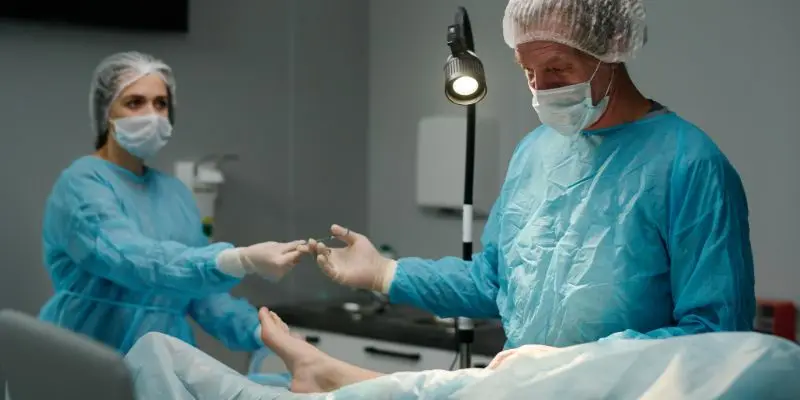
The recovery process is crucial to a successful outcome. In the post-operative phase, we work on three fronts: progressive mobilization , proprioception exercises (to retrain the foot to properly sense the ground), and muscle strengthening . All of this is done under the guidance of expert physiotherapists.
Is prevention possible?

Yes, especially in cases related to repeated microtraumas or inadequate footwear. Wearing comfortable shoes that fit your body shape, alternating static activity with movement, and paying attention to symptoms such as tingling or weakness can help you intercept the signals in time.
SmartHallux: When to See a Specialist

If your ankle discomfort isn't simply pain from exertion but is accompanied by "nervous" symptoms, it's time to take action. Dr. Luigi Manzi , an orthopedic surgeon specializing in the treatment of foot and ankle conditions, can offer you a personalized assessment and recommend the most appropriate treatment to help you walk again without discomfort.
The SmartHallux team, led by Dr. Luigi Manzi, treats conditions such as hallux valgus , Morton's neuroma , and other deformities that cause foot pain. Providing comprehensive support throughout the treatment process, SmartHallux can be a winning choice for effective treatment tailored to your needs. Book (opens in a new tab) your specialist consultation with the SmartHallux team now.