
Pain in the external malleolus: causes, symptoms, and treatments
Pain in the external (lateral) malleolus, the bony bump on the outside of the ankle, often follows a sprain or peroneal tendonitis. The causes and what to do.
By Dr. Luigi ManziUpdated on
A twinge in your ankle that won't go away? It can happen after a long walk, a sprain, or even for no apparent reason: persistent pain or a swollen and painful malleolus could be a sign of something that deserves attention. But what exactly does pain in the lateral malleolus indicate? Is it always necessary to worry?
In this article, you'll find clear and up-to-date explanations about this disorder, when it's best to see a doctor, and what treatments are available.
What does external malleolus pain mean?
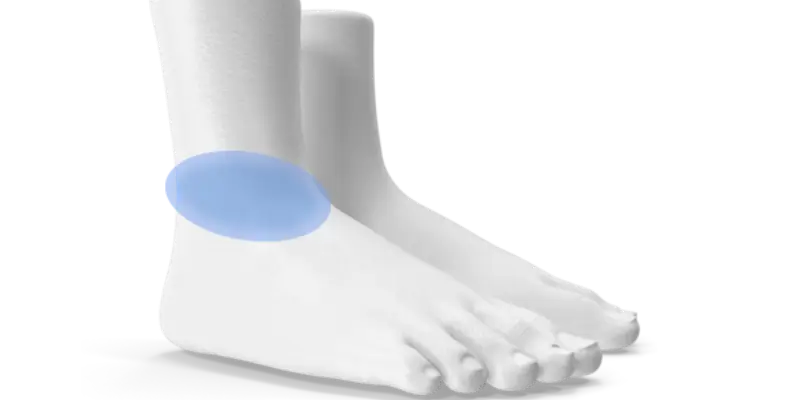
The external malleolus is the bony prominence located on the lateral aspect of the ankle, corresponding to the fibula. When this area is painful, swollen, or becomes tender to the touch, the problem may be caused by inflammation, a sprain, or even a more serious injury, such as a fracture.
The main causes

Pain in the external malleolus may be related to:
- Direct trauma, such as falls or bumps
- Ankle sprains, frequent in athletes
- Tendinitis from overload or repetitive movements
- Osteoarthritis, in older patients
- Bursitis and local inflammations
- Neuropathies or irritation of the peripheral nerves
In some cases it may also be a problem with the medial malleolus , with pain extending to the inside of the ankle.
Associated symptoms
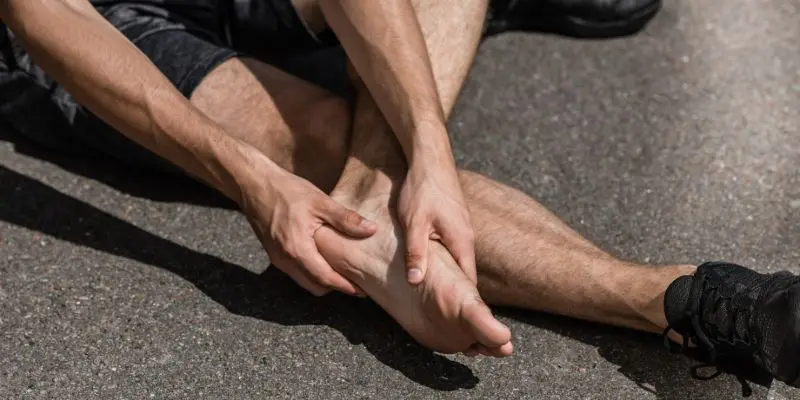
In addition to localized pain, the following may appear:
- Swelling of the external malleolus
- Difficulty walking or putting your foot down
- Feeling of instability
- Numbness or tingling
- Redness or warmth to the touch
Each symptom must be evaluated in context: a sudden onset after trauma requires different attention than pain that slowly worsens.
How is it diagnosed?

The specialist takes a medical history and evaluates joint movements. He or she may request:
- X-rays, to exclude fractures
- Ultrasound, to evaluate soft tissues
- Magnetic resonance imaging, in the most complex cases
A correct diagnosis is essential to setting the most appropriate treatment.
Available treatments
Conservative approach
In many cases, ankle pain resolves with:
- Rest and localized ice
- Anti-inflammatory drugs
- Braces or bandages to stabilize the joint
- Targeted physiotherapy to strengthen muscles and improve balance
Surgical approach
When pain persists or there is a significant structural lesion, surgery may be necessary:
- Ligament reconstruction
- Arthroscopic joint cleaning
- Ankle prosthesis in advanced cases of osteoarthritis
The type of intervention is chosen based on the patient's condition and recovery goals.
Recovery after surgery
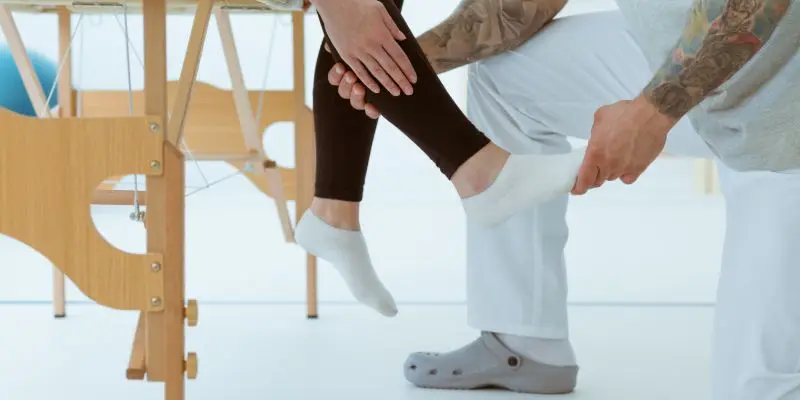
The post-operative period varies depending on the procedure, but always includes a rehabilitation phase with progressive exercises to restore mobility, muscle tone, and stability. Physical therapy is essential for returning to normal activities and preventing recurrence.
How to prevent ankle pain
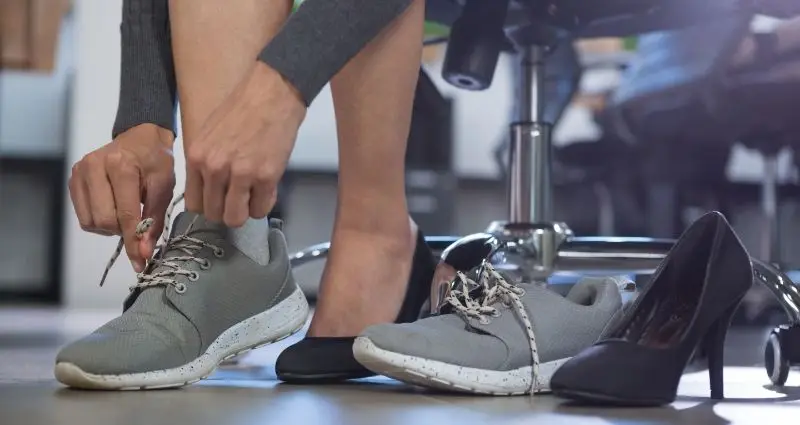
- Wear shoes with good support
- Warm up before physical activity
- Perform regular stretching for tendons and ligaments
- Avoid sudden movements and unstable terrain
- Maintain a healthy weight to reduce the load on your ankle.
SmartHallux: When to see a specialist?

Don't let ankle pain limit your mobility, the team at SmartHallux deals with pathologies such ashallux valgus, Morton's neuroma and other deformities that cause foot pain. Providing comprehensive support throughout the treatment process, SmartHallux It can be a winning choice to obtain an effective treatment targeted to your needs, book now (opens in a new tab) your specialist visit with the SmartHallux team.
FAQ
What are the most common causes of lateral malleolus pain?
Trauma, sprains, tendonitis, and osteoarthritis are the main causes. In any case, a clinical evaluation is always useful to determine the exact cause.
How long does the pain last after a sprained ankle?
It depends on the severity. In mild cases, it can last a few days, while in more severe cases, it can take weeks or months of recovery.
What to do if the external malleolus is swollen and painful?
Apply ice, elevate your leg, and avoid putting weight on it. If symptoms don't improve within 48-72 hours, consult a specialist.