
Toe pain: causes, symptoms, and treatments
Toe pain is common and has many causes, from calluses and ingrown nails to arthritis, gout or a fracture. The symptoms to watch for and how it is treated.
By Dr. Luigi ManziUpdated on
The foot has a complex skeleton, composed of numerous bones that articulate with each other to ensure stability, balance, and propulsion during movement. The bones of the foot are divided into three groups (tarsus, metatarsus, and phalanges), which are further divided into subgroups. It is clearly a particularly complex part of our body, as the joints and bones that comprise it are interconnected and dependent on each other.
Toe pain is a very common ailment that can have a variety of causes, from simple calluses to more complex conditions. In this article, we'll explore the most common causes of toe pain, associated symptoms, and available treatment options.
Pain in the toes: possible causes
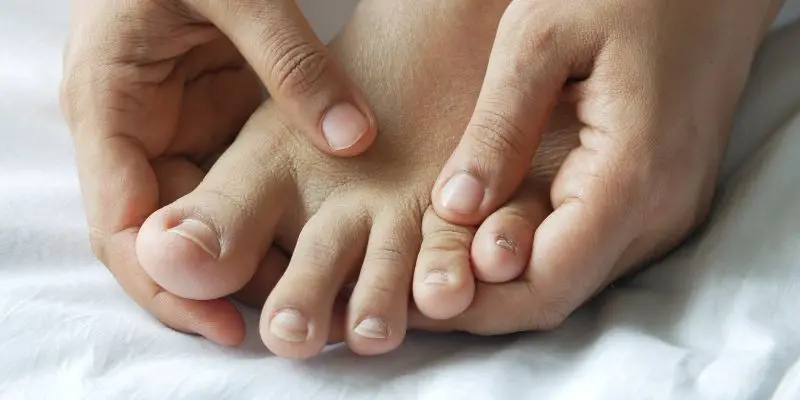
First, it should be clarified that the most common toe problems are those whose primary symptom is localized pain, which can be caused by overload or microtrauma such as sprains, dislocations, or fractures of the toes . These cause sharp pain and localized swelling that limit weight bearing until the pain becomes mild enough to tolerate.
When pain focuses on the big toe and the toe seems to deviate toward the other toes, you may be suffering from a " bunion ." This is often a hereditary condition, which can be aggravated by wearing tight shoes or high heels. Symptoms of bunions include toe pain, swelling, and redness. In general, sufferers have difficulty wearing shoes because they feel too tight. Furthermore, because the bunion takes up space for the other toes, it can cause further foot problems.
Anyone who feels an “electric shock” sensation between their toes or even a simple tingling sensation may have Morton’s neuroma, a thickening of the nerve tissue that transmits painful impulses and makes walking or wearing shoes very difficult.
Symptoms such as claw-like toes, stinging, burning, and pain in the feet, and loss of sensation to pain and temperature could be signs of diabetic neuropathy, which can present itself in various forms.
Other causes of toe pain include calluses, ingrown toenails, fractures, and infections. Finally, there are several types of arthritis that can affect the toes (osteoarthritis, rheumatoid arthritis, gout), with similar symptoms, such as widespread pain, stiffness, and swelling.
Possible treatments to cure toe pain

Foot pain can arise from various causes, such as trauma, repetitive stress, or chronic conditions. To address these issues, it is essential to choose the most appropriate treatment for the severity of the situation and the patient's specific needs. Treatments are mainly divided into conservative and surgical.
The first group certainly includes anti-inflammatory drugs , useful for reducing toe pain and acute inflammation. Oral medications or specific ointments for local application can be used. Rest and ice are essential for relieving acute pain or inflammation caused by trauma or repetitive stress. Ice, applied sparingly (10-15 minutes at a time), reduces swelling and inflammation. Targeted physical therapy exercise programs can strengthen foot muscles, improve balance, and promote proper posture. Stretching and toe separation improve flexibility, circulation, and reduce muscle stiffness. Wearing comfortable , ergonomic shoes not only prevents toe pain but also maintains the health of your feet, legs, and spine. Soft shoes with ample toe space are recommended to avoid compression and irritation. Shoes with high heels or narrow toes can aggravate pre-existing conditions and cause new problems. Finally, customized orthotics and insoles correct foot alignment, improve weight distribution, and reduce pressure on specific areas. They are particularly useful for conditions such as hallux valgus or Morton's neuroma.
Combining a conservative approach with preventative measures is often sufficient to manage toe pain. However, in cases where conservative treatments are ineffective, surgery may be considered to correct bone deformities such as bunions or other joint deformities. Toe surgery may also be necessary to remove corns or calluses if they cause persistent pain or impair mobility. Finally, neurotomy is performed to treat Morton's neuroma or other conditions involving irritated or inflamed nerves.
When to see a doctor: SmartHallux as a solution

When the pain becomes unbearable, or even when the symptoms are evident, it's a good idea to consult a specialist. Following the advice to keep your feet healthy is certainly very important. The shoes we wear or our daily habits could be the cause of toe problems. Furthermore, an accident can always happen, and that doesn't mean problems and pathologies aren't possible.
Thanks to the combination of innovative technologies and extensive medical expertise, SmartHallux offers rapid diagnoses and personalized treatments for every type of patient.
The team of expert surgeons led by Dr. Luigi Manzi specializes in the treatment of foot and ankle conditions, offering care from initial diagnosis to treatment guidance for toe problems and, when necessary, to performing surgical procedures and subsequent post-operative recovery.
For specialist support, book a consultation with Dr. Luigi Manzi for an accurate diagnosis and a personalized treatment plan to relieve severe pain.