
Pain under the big toe: causes, signs to listen for, and how to deal with it
Pain under the big toe can come from sesamoiditis, gout, hallux rigidus or a bunion. The causes, the signs to watch for and how it is treated.
By Dr. Luigi ManziUpdated on
There's a nagging pain that comes every time you take a step. You feel a sharp pain under your big toe, right at the base, and every movement becomes more difficult than expected. It may seem like a minor annoyance, but when the pain recurs regularly or limits your ability to walk, it's time to investigate further.
Pain under the big toe is a more common problem than you might think. It affects adults of all ages, but is particularly common in those with biomechanical abnormalities of the foot or who wear poorly fitting footwear. It's a symptom, not a diagnosis: its causes can be varied and must be carefully investigated.
When the pain starts from the big toe
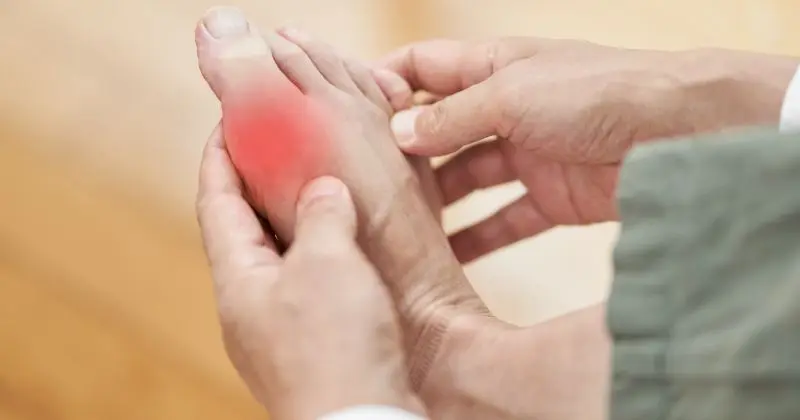
Often, the underlying cause is a well-known condition: hallux valgus . This deformity, which progressively shifts the big toe toward the other toes, creates abnormal pressure on the metatarsophalangeal joint, causing pain under the big toe. It's a condition that more frequently affects women, especially after age 40, and has a significant genetic component.
Another common cause is arthritis of the big toe , which progressively deteriorates the joint cartilage. The pain in this case is deeper, accompanied by stiffness, and worsens in the colder months or after prolonged standing.
Then there is bursitis , or inflammation of the sacs that protect the joint. In some cases, the pain is caused by gout , a metabolic disorder that causes a buildup of uric acid in the joints, causing sudden and intensely painful attacks.
To a lesser extent, pain under the big toe can result from stress fractures, bone infections, or much more rarely from bone tumors.
Symptoms: not just pain

Pain under the big toe can present itself in various ways. Some describe it as a sudden sharp pain while walking, others as a dull, constant ache that worsens with movement. Sometimes swelling, stiffness, or a sensation of heat in the affected area is also felt.
If the pain becomes chronic or affects your gait, it's a sign you shouldn't ignore.
How is the diagnosis made?

The first step is always a thorough examination, during which the doctor analyzes the structure of the foot, posture, and the progression of the pain. X-rays are often useful to evaluate the bones and, if necessary, ultrasound or MRI scans to observe tendons, cartilage, and soft tissues.
An accurate diagnosis is essential to choose the right treatment and reduce recovery times.
What can you do?

In many cases, nonsurgical treatments are sufficient. Rest, ice application, the use of insoles or orthotics, and anti-inflammatories can reduce pain and improve mobility.
If the cause is structural or degenerative, surgery may be recommended . Today, advanced techniques, such as the SmartHallux protocol , allow for a faster and less invasive recovery than traditional surgery.
Is it possible to prevent pain under the big toe?
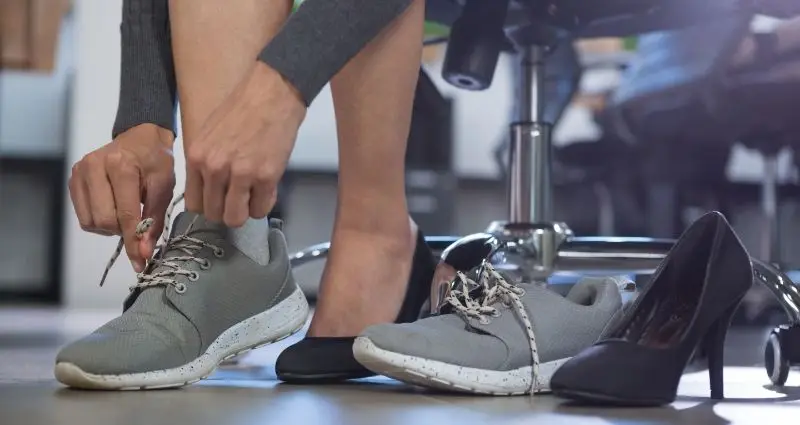
Often, yes. Wearing shoes with good support, avoiding high heels for extended periods, maintaining a healthy weight, and exercising foot flexibility help reduce the load on the big toe. Listening to your body's signals and not ignoring minor discomforts can also make a difference.
SmartHallux: An innovative approach to foot care

Pain under the big toe may seem like a minor ailment. But if left untreated, it can seriously limit your quality of life. At SmartHallux , Dr. Luigi Manzi will guide you through a personalized diagnosis and treatment plan, with innovative and targeted solutions.
The team treats conditions such as hallux valgus, Morton's neuroma, and other deformities that cause foot pain. Providing comprehensive support throughout the treatment process, including post-operative recovery, SmartHallux can be a winning choice for effective treatment tailored to your needs. Book your video consultation with Dr. Luigi Manzi now.
FAQ
What causes pain under the big toe?
These may include bunions, osteoarthritis, bursitis, gout, metatarsalgia, or stress fractures.
How is hallux valgus treated?
With rest, orthotics, physiotherapy, anti-inflammatory drugs or, in more complex cases, with surgery.
How long does recovery take after bunion surgery?
It depends on the procedure. Typically, you'll return to normal activities within a few weeks, but your doctor will provide personalized instructions.