
Plantar Aponeurosis: Everything You Need to Know
The plantar aponeurosis is a band of fibrous tissue that runs along the entire bottom of the foot, starting from the heel.
By Dr. Luigi ManziUpdated on
The plantar aponeurosis is a band of fibrous tissue that runs along the entire bottom of the foot, starting from the heel and reaching the tips of the toes.
Also known as the plantar fascia, this is a crucial anatomical portion of the foot. It performs several important functions, including supporting the arch of the foot and transmitting and distributing our body weight, both when standing still and in motion.
The plantar fascia helps absorb shock and is prone to repetitive strain. Excessive strain, particularly in the heel area, can cause inflammation of the plantar fascia, known as plantar fasciitis or heel spurs . This common condition affects men and women of all ages and can cause severe foot pain.
Causes of inflammation of the plantar aponeurosis
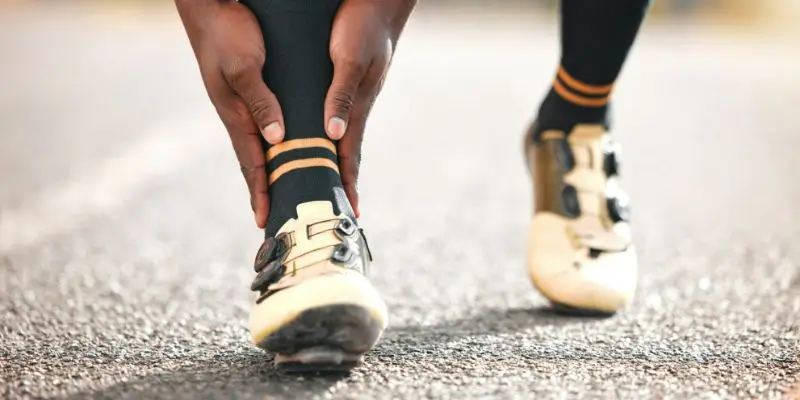
Inflammation of the plantar aponeurosis can be caused by several factors. Particularly common among those who engage in intense, high-impact physical activity, plantar fasciitis can be a consequence of running, jumping, or standing for extended periods of time. In these cases, excessive pressure is placed on the plantar aponeurosis, which consequently becomes inflamed.
Another common cause of this type of inflammation is the habit of wearing high-heeled shoes, with rigid soles, or shoes that don't provide adequate arch support. These shoes significantly increase the risk of inflammation.
In people who don't move much, or who are overweight or obese, the stress placed on the plantar fascia can cause pain that makes walking difficult and uncomfortable, forcing them to take forced rest. Furthermore, constant overload can cause actual microtraumas that, over time, can lead to collagen degeneration and subsequent structural changes.
Other risk factors that contribute to the onset of plantar fasciitis include poor posture and specific conditions such as flat feet, high arches, or excessively pronated feet. In these cases, poor weight distribution on the foot increases tension on the plantar aponeurosis.
Symptoms of inflammation of the plantar aponeurosis
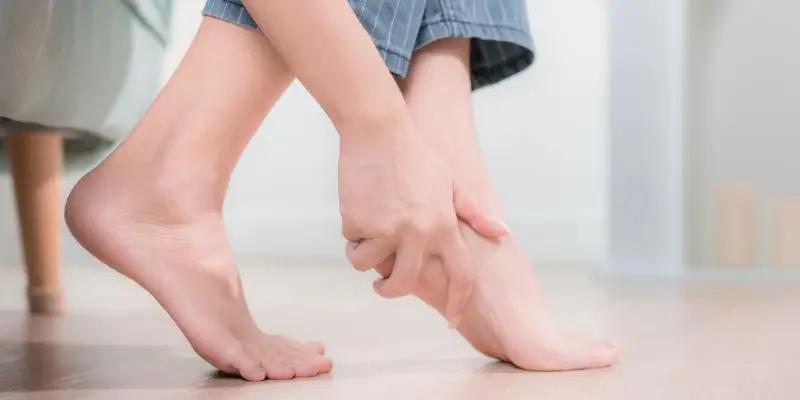
The main symptom of plantar fasciitis, also known as plantar fasciitis, is heel pain. The pain and stiffness in the heel are particularly felt early in the day, or more generally, upon awakening or after a period of rest. Although not constant, plantar fasciitis pain can occur while walking or running, extending toward the arch of the foot. Another typical symptom of this condition is tenderness to the touch in the lower part of the heel. When both are present, it's best to consult a specialist for an accurate diagnosis, as the symptoms of plantar fasciitis rarely resolve spontaneously.
Diagnosis of plantar aponeurosis

The diagnosis of inflammation of the plantar aponeurosis, or plantar fasciitis, is predominantly clinical. It is based on an outpatient physical examination and the patient's medical history. The specialist conducting the examination, if deemed necessary, may request diagnostic tests such as X-rays, ultrasounds, or MRIs to rule out other pathologies as the cause of the pain.
In the vast majority of cases, the inflammation heals thanks to conservative treatments, designed to reduce discomfort and pain, strengthen the muscles and restore mobility to the foot.
Treatment of inflamed plantar aponeurosis
Treatments aimed at relieving pain and improving mobility of the plantar fascia are based on stretching exercises or lengthening of the calf muscles and the fibrous tissue band that, when inflamed, generates pain.
Along with these specific exercises, it is possible to combine physical therapies such as tecar therapy, laser therapy, ultrasound therapy, and focused shock waves, all of which are useful for reducing pain and restoring muscle, tendon, and ligament extensibility.
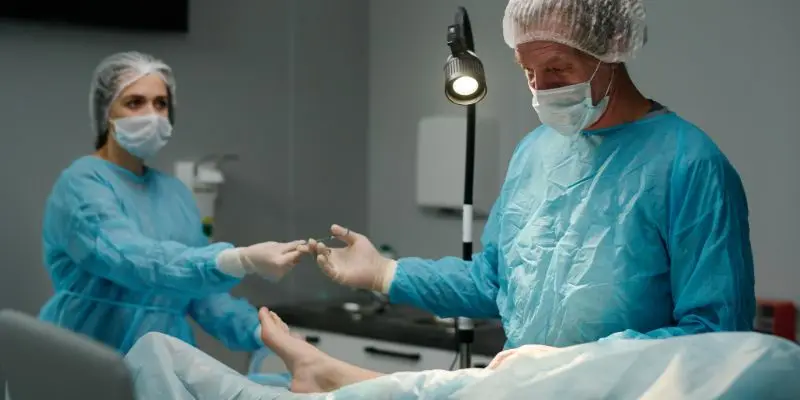
When, despite conservative treatment, the pain related to inflammation of the plantar aponeurosis does not decrease, surgery may be necessary.
Plantar fasciotomy is the most common procedure for this type of problem. The procedure involves partially releasing the plantar fascia. This reduces tension and, with it, the pain typical of plantar fasciitis. In some more specific cases, removal of the associated bone spurs may be considered, for a more invasive treatment, but with significant, long-lasting, and tangible results.
However, surgery to treat inflamed plantar aponeurosis has a long recovery time and may lead to complications. For this reason, it's advisable to explore the innovative and minimally invasive techniques offered by SmartHallux specialists. Thanks to their professionalism and years of experience, they ensure the utmost care and dedication to treating any foot or ankle condition.
The SmartHallux team , led by Dr. Luigi Manzi , an internationally renowned orthopedic surgeon, is able to offer both surgical and non-surgical solutions, guaranteeing excellent results, personalized approaches, and reduced recovery times.
Prevention of plantar aponeurosis
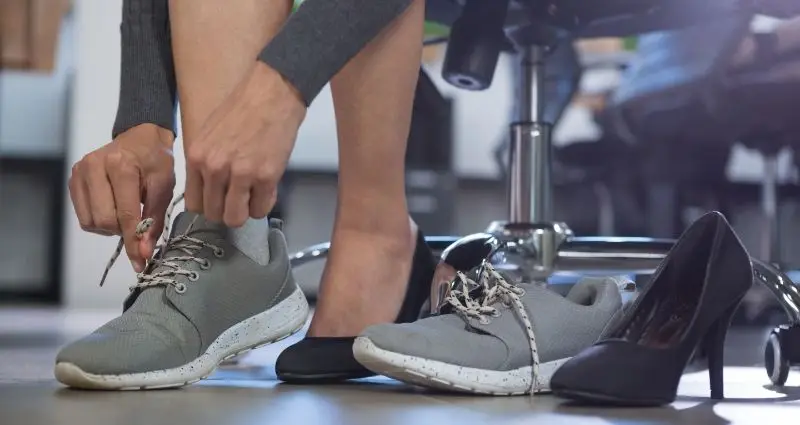
To prevent inflammation of the plantar aponeurosis, it's always advisable to wear appropriate footwear, monitor your weight, and perform regular stretching, proprioceptive, and muscle-strengthening exercises. Even a half-hour walk a day can be enough to reduce the risk of developing this painful syndrome.
SmartHallux: An innovative approach to foot care

SmartHallux offers an innovative solution, combining advanced technologies and accurate diagnosis, for personalized treatment of toe pain. Thanks to the expertise of a team of expert surgeons, led by Dr. Luigi Manzi , SmartHallux offers innovative treatments ranging from diagnosis to surgery, if necessary.
The team treats conditions such as hallux valgus, Morton's neuroma, and other syndromes that cause foot pain. Providing comprehensive support throughout the treatment process, including post-operative recovery, SmartHallux can be a winning choice for effective treatment tailored to your needs. Book your video consultation with Dr. Luigi Manzi now.