
Plantar fascia: Understanding it to prevent (and treat) heel pain
The plantar fascia is the thick band of tissue under the foot that supports the arch. What it does, why it becomes inflamed and how to prevent heel pain.
By Dr. Luigi ManziUpdated on
If in the morning, as soon as you set foot on the ground, you feel a sharp pain in your heel... you may have already encountered your plantar fascia. Not everyone knows what it is, but when it starts hurting, it makes itself known. Yet, this structure is essential for walking, running, and standing. In short, for living a normal life.
Understanding the anatomy of the plantar fascia and the mechanisms that cause it to suffer is the first step to preventing – or resolving – one of the most common conditions: plantar fasciitis or heel spur.
What is the plantar fascia and why is it so important?

The plantar fascia is a thick, tough fibrous band that runs from the heel to the base of the toes. Think of it as a string stretched under the arch of the foot: it supports the foot, absorbs impact, and stabilizes every step.
When this fascia is subjected to excessive stress, it can become inflamed. This is precisely where plantar fasciitis arises : a very common condition, especially among those who walk a lot, play sports, or wear poorly fitting shoes.
The most common symptoms: when heel pain speaks clearly

The most typical symptom is localized pain in the heel, often worse upon awakening. As soon as you take your first steps, you feel a sharp pain, which may then subside during the day, only to recur after periods of rest or long walks.
Other signs not to be underestimated:
- foot stiffness in the morning;
- difficulty walking barefoot, especially on hard surfaces;
- worsening after physical activity.
These symptoms may indicate ongoing inflammation and require attention before the condition becomes chronic.
What causes plantar fascia pain?

The causes are often multifactorial. Functional overload is the most common: high-impact sports, prolonged walking, or standing for hours can overstress the fascia.
Even poorly fitting , rigid, or unsupportive shoes can contribute. Other risk factors include:
- flat or excessively high-arched feet;
- overweight;
- Achilles tendon stiffness;
- postural alterations.
Sometimes, plantar fasciitis can also be accompanied by a heel spur : a small bony bump that forms where the fascia attaches to the heel.
How is the diagnosis made?

The diagnosis is based on a careful clinical examination. The doctor will evaluate the location of the pain, posture, arch of the foot, and foot mobility. When confirmation is needed, the following tests may be used:
- echography, to assess the condition of the band;
- bone scan, useful for excluding fractures or bone spurs;
- magnetic resonance, in treatment-resistant cases.
Treatments: we always start with conservative treatment

The good news is that in most cases, plantar fasciitis can be treated without surgery . The most effective strategies include:
- rest and reduction of activities that overload the foot;
- ice applications;
- targeted stretching of the plantar fascia and calf;
- physiotherapy and strengthening exercises;
- use of orthopedic insoles or specific footwear;
- anti-inflammatory drugs or, if necessary, local infiltrations.
When is surgery needed?

Surgery is rare, reserved for cases where pain persists for several months despite treatment. Current techniques are minimally invasive and allow for rapid functional recovery. After surgery, it is essential to follow a rehabilitation program to consolidate the results.
Exercises and shoes: your best allies
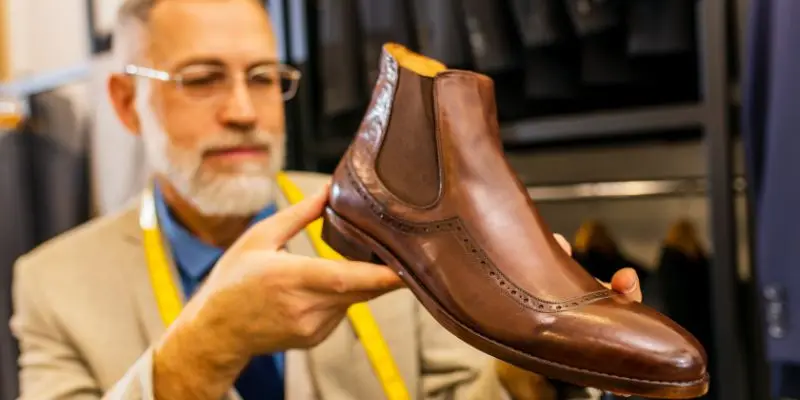
Two simple yet powerful tools for keeping the plantar fascia healthy: mindful movement and proper footwear . A few minutes of stretching a day and a little extra attention to footwear selection are all it takes to reduce the risk of inflammation.
The ideal shoes for those suffering from plantar fasciitis must:
- support the arch of the foot well;
- have good cushioning;
- don't be too stiff or too tight.
SmartHallux: When is it time to ask for help?

If heel pain bothers you every morning, if walking barefoot becomes impossible, or if the discomfort persists for weeks, it's time to take action. Dr. Luigi Manzi , an orthopedic surgeon specializing in foot treatment, can help you identify the cause and choose the treatment plan best suited to you.
The SmartHallux team treats conditions such as hallux valgus , Morton's neuroma , and other deformities that cause foot pain. Providing comprehensive support throughout the treatment process, including post-operative recovery, SmartHallux can be a winning choice for effective treatment tailored to your needs. Book (opens in a new tab) your specialist consultation with the SmartHallux team now.
FAQ
How long does plantar fasciitis last?
The duration varies. If treated promptly, it can resolve within a few weeks. If left untreated, it can become chronic.
Can you heal at home?
In many cases, yes, with rest, stretching, and suitable footwear. However, a specialist check-up is always recommended.
Can you play sports with plantar fasciitis?
With the necessary precautions, yes, but it's important to reduce the intensity and choose low-impact activities like swimming or cycling.