
Is your second toe crooked? Find out why it happens and what you can do about it.
Have you ever noticed that your second toe is crooked? Maybe it's bent downward, causing discomfort when you put on shoes.
By Dr. Luigi ManziUpdated on
Have you ever noticed that your second toe is crooked and no longer straight? Maybe it's bent downward, struggling to stay in line with the other toes, and causing discomfort when wearing shoes. In some cases, the toe visibly curves upward in the middle, while the tip points downward. This is what's commonly called "hammer toe ," and it's a more common condition than you might think.
What causes this problem?
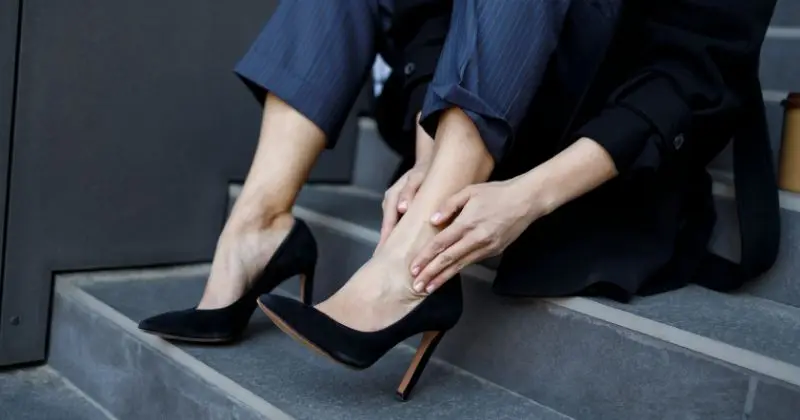
There are many causes, and they often combine. One of the most common is related to shoes: too-narrow toes or high heels that compress the toes for hours every day. Over time, this constant pressure alters the position of the toe joints, eventually causing them to deform.
Then there are people who are born with a greater predisposition—perhaps due to the shape of their foot, ligaments, or similar circumstances in their family. Certain conditions, such as rheumatoid arthritis or diabetes , can also contribute, damaging muscles and nerves. And of course, trauma: an untreated fracture or dislocation can leave the toe in an abnormal position.
What do you feel (and what do you see)?

The first symptom is visual: the toe appears crooked, raised in the middle and bent downward at the tip. But over time, pain may also appear , especially when wearing shoes or walking for long periods. In some cases, calluses form on the tip or upper part of the toe, making every step more difficult. In more advanced cases, the toe may feel as if it is slipping away or is stiff and immobile.
How is the diagnosis made?

A thorough orthopedic examination is all it takes. The doctor examines the foot, moves it, and assesses the stiffness of the toe. In some cases, an X-ray is prescribed , which is useful for seeing if there are any bone changes or ruling out other problems.
And the treatment?
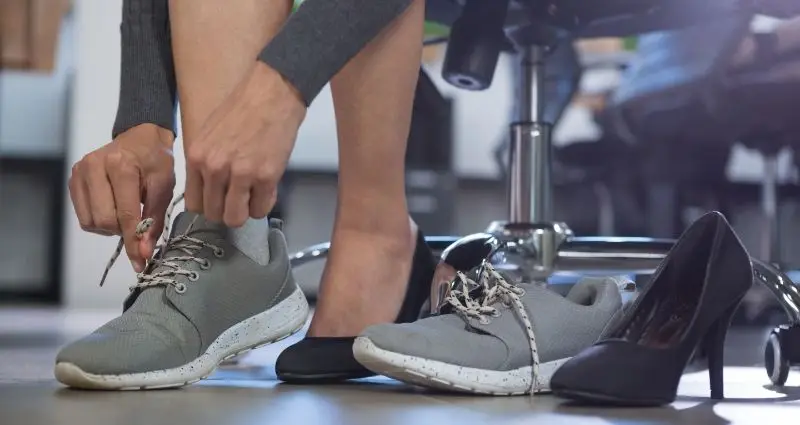
It depends on how advanced the deformity is and how much discomfort it causes. In mild cases, the following may suffice:
- change shoes (choosing models with a wide toe)
- use insoles or orthoses to correct the support
- do physiotherapy to maintain elasticity
However, if the finger is stiff, severely bent, or causes constant pain, surgery is considered. The goal? To straighten the finger and restore its proper shape and function. Today's surgeries are often minimally invasive, and recovery is quicker than in the past.
SmartHallux: for the care of your feet

If you notice that your second toe is curling or causing you pain, don't wait for it to get worse. Dr. Luigi Manzi and the SmartHallux team can help you with a thorough assessment and propose the best solution for your case. From conservative correction to minimally invasive surgery, the treatment plan will be tailored to your needs.
The team treats conditions such as hallux valgus , Morton's neuroma , and other deformities that cause foot pain. Providing comprehensive support throughout the treatment process, including post-operative recovery, SmartHallux can be a winning choice for effective treatment tailored to your needs. Book your specialist consultation with the SmartHallux team now (opens in a new tab).
FAQ
Why does the second toe get twisted?
It can happen due to ill-fitting shoes, genetic predisposition, trauma, or joint disease. When pressure or muscle tension is continuous, the toe loses its alignment.
Can it be cured without surgery?
Yes, if the toe is still flexible and the deformity is mild. Appropriate footwear, braces, and orthotics can help significantly. However, when the toe is stiff or the pain is chronic, surgery becomes the most effective solution.
What symptoms does hammer toe cause?
Pain, redness, calluses, difficulty walking, discomfort in shoes. Visually, a "bird's foot" or raised toe is noticeable.