
Shoes for Plantar Fasciitis: A Complete Guide
The right shoes for plantar fasciitis have a cushioned heel, firm arch support and a raised heel. What to look for, what to avoid and when insoles help.
By Dr. Luigi ManziUpdated on
If you experience pain in your heel and around the arch of your foot, you likely suffer from plantar fasciitis , an inflammation of the connective tissue that connects your heel to your toes. In this article, titled “Shoes for Plantar Fasciitis,” we’ll explore possible solutions.
This condition is quite common and, in its mildest form, can be a simple annoyance. In more severe cases, however, plantar fasciitis causes intense pain in the bottom of the foot, especially upon waking or after long periods of inactivity, and can be debilitating.
The plantar fascia is the tissue that runs along the bottom of the foot and connects the heel to the ball of the foot. It serves as a shock absorber, supporting the arch of the foot and aiding the mechanics of walking or running. Poor postural habits, excess weight, excessive strain, or improper footwear can cause inflammation and subsequent heel pain, making running or walking difficult.
How Shoes Can Affect Plantar Fasciitis

Those suffering from this condition should wear shoes that provide adequate arch support. This means avoiding high heels, flip-flops, or shoes with overly rigid soles. These types of shoes can worsen tension on the plantar fascia, increasing pain and inflammation. Conversely, the best shoes for plantar fasciitis are those with adequate arch support and effective cushioning to cushion impact. This can significantly improve the symptoms of plantar fasciitis and, in general, heel pain.
Shoes for plantar fasciitis must be selected carefully, also considering customized options such as orthotic insoles.
Other treatments for plantar fasciitis

Treating plantar fasciitis usually involves a lifestyle change. The effectiveness of the remedies depends primarily on the severity of the symptoms. First and foremost, to treat plantar fasciitis, rest is recommended, avoiding all physical activity.
Performing specific stretching exercises to reduce tension in the calf or Achilles tendon helps reduce stiffness and pain caused by inflammation of the plantar fascia. In more severe cases, some doctors or physical therapists may recommend corticosteroid injections or, in rare cases, surgery.
Prevent plantar fasciitis
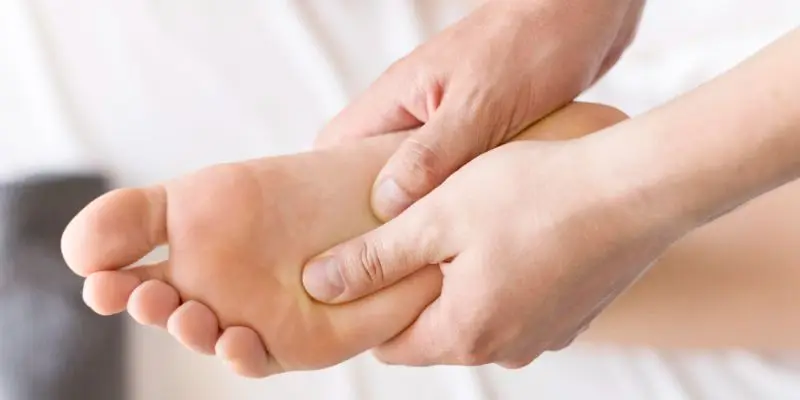
Preventing plantar fasciitis involves wearing comfortable, well-fitting shoes, adopting a foot stretching routine, and managing your body weight to avoid overloading. It's equally important to avoid activities that put excessive pressure on the plantar fascia, such as running on hard surfaces without adequate protection. Pain can be reduced by easing the load on the plantar fascia or by increasing cushioning under the heel, where it's most likely to impact.
Ignoring the symptoms is very dangerous. If you already suffer from plantar fasciitis and want to prevent worsening symptoms, you should always take the time to warm up, especially the calf and ankle muscles, by wearing inappropriate footwear.
When to see a doctor

If symptoms persist despite conservative treatments or worsen over time, it is essential to consult a doctor or physical therapist to assess the severity of the problem, understand any contributing factors, and receive a targeted treatment plan.
For specialist support, book a consultation with Dr. Luigi Manzi for an accurate diagnosis and a personalized treatment plan to relieve severe pain.