
Suitable Shoes for Morton's Neuroma: A Complete Guide
Morton's neuroma causes pain and tingling in the feet, but wearing properly fitting shoes for Morton's neuroma can relieve symptoms and prevent damage.
By Dr. Luigi ManziUpdated on
Morton's neuroma is a painful condition that focuses on the metatarsal area, located at the front of the foot. Symptoms include sharp or burning pain, numbness, and tingling in the toes. These symptoms tend to worsen during walking or after prolonged standing, but wearing appropriate shoes for Morton's neuroma can mitigate the symptomatic effects of Morton's neuroma and prevent further nerve damage.
Morton's neuroma is often closely linked to overuse of the forefoot and toes. The exact causes of this condition are not fully understood, but science has identified several risk factors. Wearing tight or high-heeled shoes can compress the nerves in the foot, contributing to the development of the condition. High-impact physical activity, such as running or tennis, increases stress on the foot. Structural foot abnormalities, such as flat feet or ankle valgus, can predispose to neuroma. Furthermore, conditions such as diabetes or arthritis are associated with a higher risk.
The main conservative treatment for this type of pathology consists in choosing shoes with specific characteristics, capable of absorbing the pressure of the body while walking.
How to choose the right shoes for Morton's neuroma
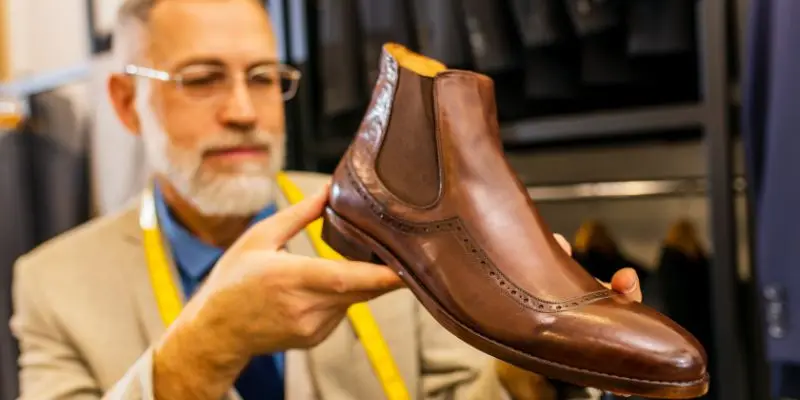
Choosing the right footwear is essential to alleviate the symptoms of Morton's neuroma and prevent further nerve damage. It's advisable to opt for soft, lace-up shoes with a wide, rounded toe box. These styles offer more room for the toes and allow the foot to expand, relieving some of the pressure on the metatarsal heads.
Shoes with rubber soles help cushion the forefoot when walking. Avoiding high heels is also important, as they increase pressure on the forefoot.
Shoes with good arch support and a rocker sole help stabilize the foot and distribute body weight evenly. Soft, flexible materials in shoes reduce friction on the nerve. Making sure your shoes fit properly is essential; shoes that are too tight or too loose can aggravate symptoms.
Other remedies for those with Morton's neuroma

Besides wearing appropriate footwear, which we know is one of the main ways to prevent foot problems, there are other treatments for Morton's neuroma. Orthotic foot therapy can relieve symptoms, as can cortisone injections. However, neither of these remedies provide long-lasting relief.
Rest is essential: avoiding activities that aggravate symptoms allows the nerve to recover. Applying ice to the affected area for 15-20 minutes several times a day can reduce inflammation.
There are several exercises that can be helpful in relieving the pain caused by this condition, but it is important not to attempt them until the condition is clearly diagnosed, as performing certain movements could cause further injury.
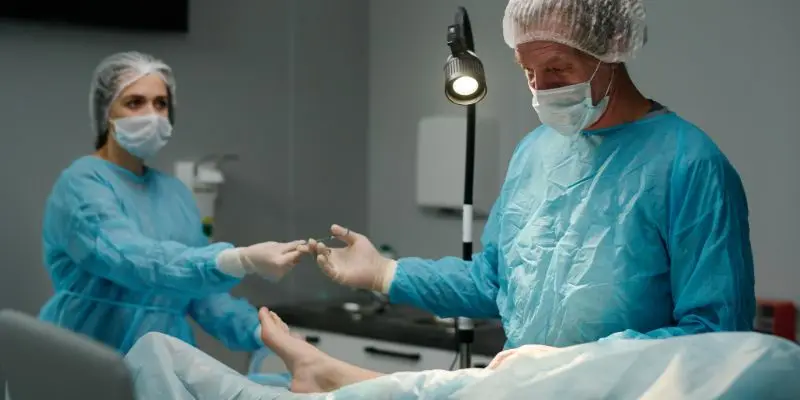
Surgery is considered only when other treatments for Morton's neuroma are ineffective. At SmartHallux centers , a specific procedure is available for those suffering from this bothersome condition, decompressing the nerve without sectioning it and with a mere 2 mm incision. Recovery time is minimized, and the patient leaves the clinic on their feet, returning to their daily routine the day after surgery.
SmartHallux: for the care of your feet
In conclusion, if you suffer from Morton's neuroma, it's crucial to choose the right footwear to alleviate symptoms and prevent further complications. Consulting a medical specialist can provide personalized advice on choosing the most suitable footwear and adjunctive treatments.
Book your specialist appointment now at our SmartHallux centers throughout the country.