
Suitable Shoes for Heel Spurs: A Complete Guide
If you suffer from this disorder, it is essential to pay attention to the choice of shoes. Wearing suitable shoes for heel spurs can make the difference.
By Dr. Luigi ManziUpdated on
If you suffer from this condition, it's crucial to pay attention to your footwear choice. Wearing appropriate shoes for heel spurs can make a difference in reducing pain and preventing further worsening, providing proper foot support and cushioning the impact of walking.
Heel spur is a condition related to excessive pronation of the foot and repetitive traction of the plantar ligament. It is an abnormal bone growth resulting from chronic inflammation, causing severe heel pain and making walking difficult. This type of foot problem is very common among people, especially athletes.
Heel spur: causes and symptoms
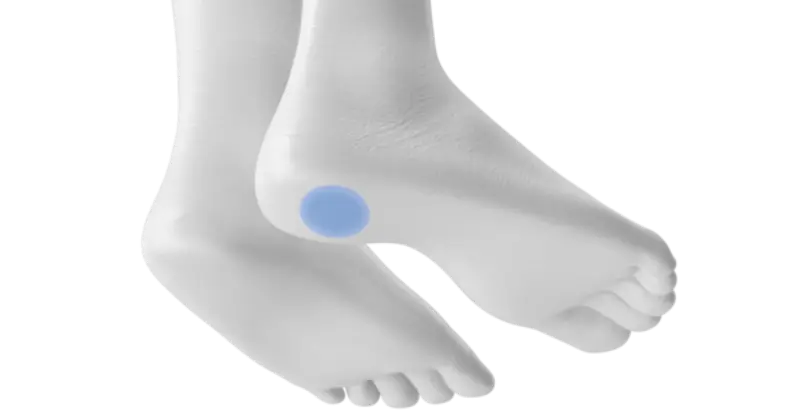
Those suffering from heel spurs often experience pain under the heel, with the area feeling stiff and particularly sensitive to the touch. The pain often radiates along the arch of the foot when the patient first puts their foot down in the morning, after sleeping. The pain can be sharp or dull and may worsen with physical activity. In some cases, however, heel spurs may be asymptomatic and become apparent only after the patient has had an X-ray.
The main causes of heel spur are
- High-impact physical activities.
- Repetitive microtraumas.
- The use of inappropriate footwear.
- Being overweight or obese.
- Some particular medical conditions.
On this occasion, we'll delve deeper into the topic of footwear and how the choice of footwear can impact heel spur pain. Specifically, we'll look at the features of ideal shoes and how to maintain foot health.
Importance of choosing shoes for heel spurs
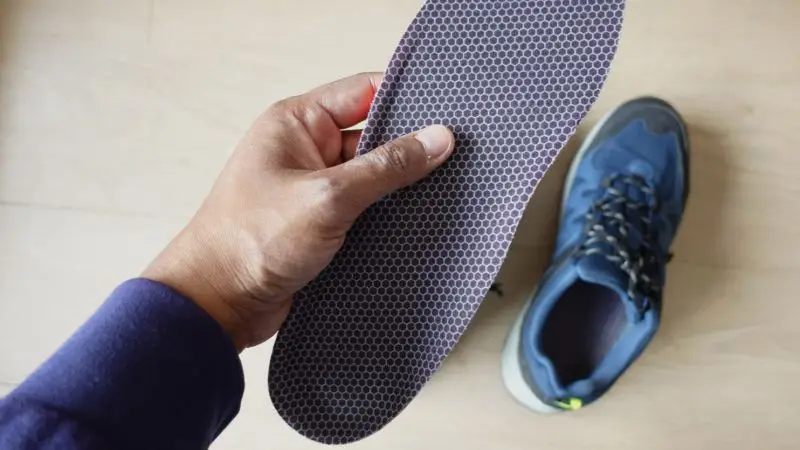
Heel spurs are often caused by strenuous activity. Wearing appropriate footwear is essential to alleviate pain and improve quality of life.
But what features should shoes have for those suffering from heel spurs? First of all, shoes should have a rigid, thick sole that provides good support for the heel and arch. They should also have a wide toe box, allowing the foot to move freely, and a raised heel, which reduces pressure on the heel. Finally, they should be made of breathable materials and have a removable footbed, which can be replaced with an orthopedic insole if necessary.
Choosing shoes designed to relieve heel spur pain can make all the difference.
Here are the key features to consider:
- Arch support: Good cushioning helps distribute weight evenly, reducing pressure on the heel.
- Cushioned heel: soft materials or gel inserts protect the painful area.
- Stiff but flexible sole: avoid excessive movements which can worsen the inflammation.
- Adequate space for fingers: avoid unnecessary compression that could negatively affect posture.
Wearing ill-fitting or uncomfortable shoes can significantly increase pain and worsen the condition. Conversely, wearing comfortable shoes that provide adequate arch support, cushioning impact, and evenly distributing body weight can be crucial in reducing pain and preventing further foot problems.
Many orthopedic or running-specific shoes have these features, making them suitable for those with heel spurs.
Buying suitable footwear for those with heel spurs: some advice
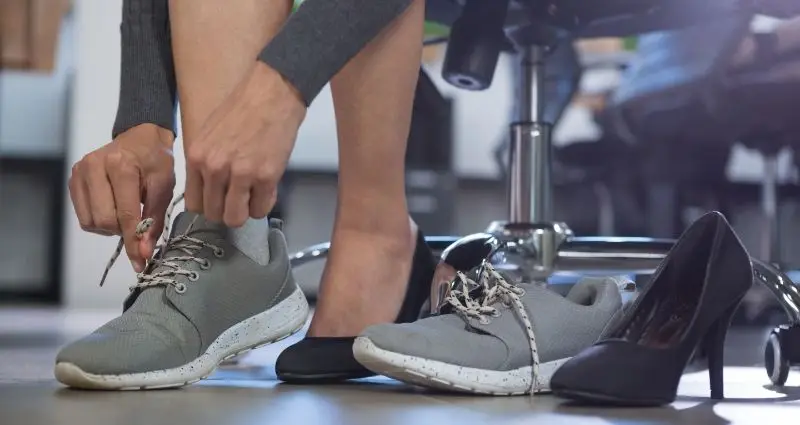
Before purchasing shoes for heel spurs, it's important to try on different models and brands to find the one that best fits your foot. Choosing shoes requires attention to specific details to maximize comfort and functionality.
Here are some tips:
- Try on shoes in the afternoon: the foot tends to swell during the day, so it is best to choose footwear at a time when the foot is at its maximum size.
- Consult a podiatrist: An expert can recommend custom insoles, which are ideal for supplementing the support of your shoes.
- Choose breathable materials: reduce the risk of infections and ensure greater comfort during prolonged use.
- Avoid high heels or flat soles: both can worsen heel spur symptoms.
Before choosing the right shoe for your heel spur, it's best to have an orthopedic examination. The professional will carefully assess the geometry of your foot. A custom-made shoe expert will then take your exact measurements and discuss your specific needs with you, ensuring that the perfect pair of shoes offers maximum comfort and support.