
High Arch Foot Symptoms: Causes and Solutions to Get Back to Walking Well
When the arch of the foot is too high, problems arise. The symptoms of pes cavus (high arches), a condition less known than flat feet, and what to do.
By Dr. Luigi ManziUpdated on
The foot is an extraordinary structure, designed to support, balance, and move our body every moment of the day. However, when its shape deviates from the norm, annoying and limiting pain can appear. These are the symptoms of pes cavus , a lesser-known condition than flat feet , but equally important to recognize and treat.
What is a hollow foot?
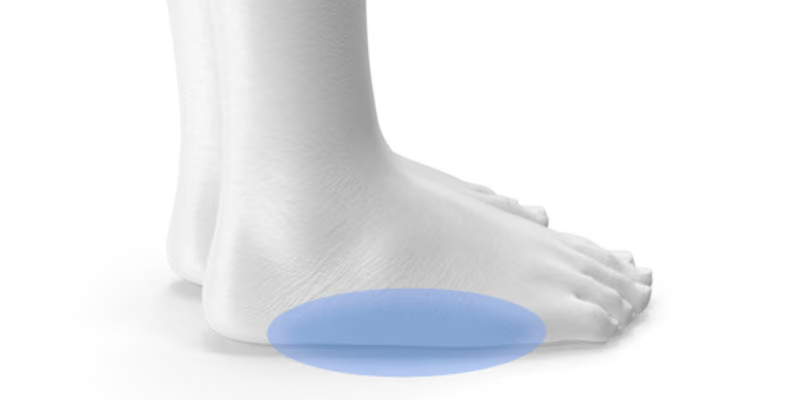
A high arch is a more pronounced than normal foot arch . In other words, the inner part of the foot—the part that usually touches the ground—tends to rise excessively. This causes an imbalance in the distribution of body weight, with consequences that can extend far beyond the foot itself.
There are many causes. In some cases, high arches are congenital ; in others, they are linked to neurological disorders , previous trauma , or appear without an apparent cause (idiopathic). Whatever the origin, symptoms can appear gradually and worsen over time.
How does hollow foot manifest itself?
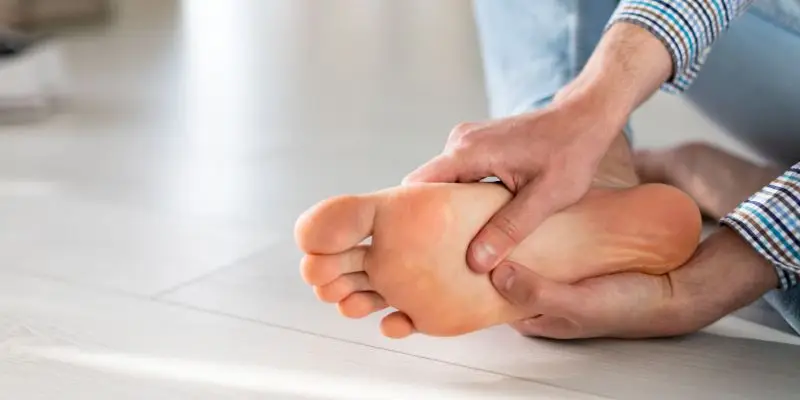
Those who suffer from pes cavus often report pain localized in the arch of the foot or heel , which tends to worsen with prolonged walking or standing. Some notice increased calluses or blisters , especially on the sides of the foot or under the toes, due to uneven footing.
Over time, cramps , ankle instability , and a certain stiffness that limits normal walking may also appear. In some cases, the foot deformity also leads to the formation of hammer toes or hallux valgus , further worsening the quality of walking.
How is it diagnosed?
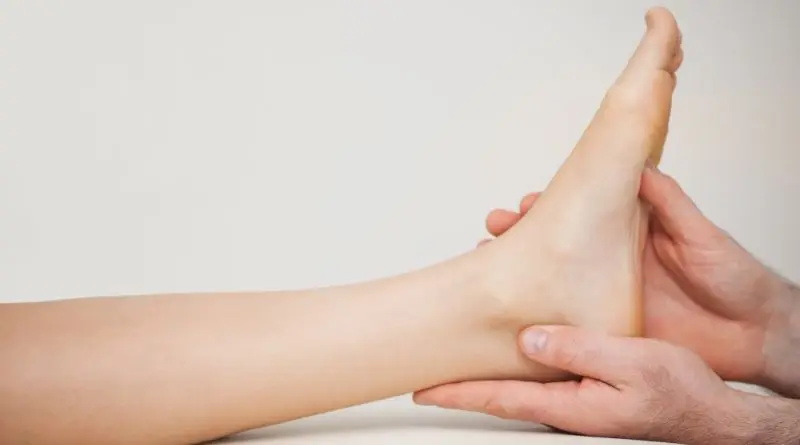
Diagnosis is made through a specialist examination. The orthopedist examines the foot at rest and under weight, assessing posture and alignment. An X-ray of the foot is often required to examine the bone structure, while specific tests are also performed if a neurological origin is suspected.
What solutions are available?

Not all high arches require surgery. In mild or early cases, treatment options include customized orthotics , targeted physical therapy, and, if necessary, pain relief medications.
In more severe cases—when pain is constant, there are structural deformities, or functional impairment—surgery may be the most effective solution. Corrective procedures such as arthrodesis , arch reconstruction, or nerve decompression can restore better foot biomechanics and reduce pain.
Living with a hollow foot

Having a high arch doesn't mean you have to give up an active lifestyle. However, it's important to choose your footwear carefully , avoiding high heels or shoes without arch support, and incorporating stretching and muscle strengthening exercises into your daily routine. Paying attention to your body weight also makes a difference, reducing the strain on your feet.
SmartHallux: a dedicated solution

If not treated promptly, high arch foot can lead to arthritis , chronic instability , toe deformities , and even ulcers , especially in those with other systemic conditions. Therefore, it's crucial not to underestimate the symptoms and to seek medical attention.
The SmartHallux team, led by Dr. Luigi Manzi, offers a comprehensive approach to correcting high arches , from clinical evaluation to minimally invasive surgery. The SmartHallux protocol is designed to minimize recovery times and ensure a rapid return to mobility, even in complex cases. Book your specialist consultation with the SmartHallux team now (opens in a new tab).