
That pins-and-needles feeling under your feet: what it means and how to fix it.
Pins and needles under the feet can come from a compressed nerve, Morton's neuroma, neuropathy or poor circulation. The causes and how the tingling is treated.
By Dr. Luigi ManziUpdated on
Have you ever woken up in the morning and felt like you had thousands of tiny needles under the sole of your foot?
That pins-and-needles feeling under my feet isn't just annoying. It's truly debilitating. The other day, a patient came to me and said, "Doctor, it feels like someone stuck pins under the sole of my foot. I can't even get out of bed without pain."
Well, that's exactly what we're talking about today. A symptom that many underestimate, but which can seriously compromise the quality of life.
What are these "pins under the feet"?
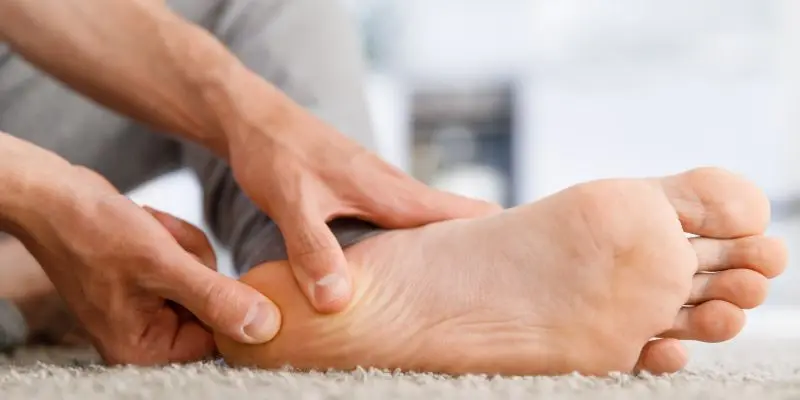
When I talk about pins and needles in the feet, I'm referring to that sharp, stinging sensation that can manifest in various parts of the foot. It's not a precise medical term, after all. It's just how patients describe their pain to me.
It may be a sharp pain that starts at the heel and radiates toward the toes. Or it may feel like needles pricking the sole of the foot. Sometimes it feels like an electric shock that runs through the entire foot.
The interesting thing is that this type of pain can have very different origins. It's not always the same pathology that causes the same symptoms.
The most common causes I see in my office

Plantar fasciitis is definitely the primary culprit. That band of tissue that runs under the foot becomes inflamed and causes excruciating pain, especially in the morning. It's like a tight rubber band snapping every time you put weight on it.
Neuropathy is another common cause . The nerves in the foot become irritated or damaged, causing that typical pins and needles sensation in the legs that can extend to the toes. I've seen many diabetic patients with this problem, but they're not the only ones.
Arthritis can manifest itself like this. Inflammation of the foot joints causes very sharp pain, especially during movement. It's a "biting" pain, as a patient of mine said last week.
Metatarsalgia, on the other hand, affects the ball of the foot. It's like walking on rocks, with sharp spikes digging into your flesh with every step. Women who wear high heels are familiar with it.
Then there's tarsal tunnel syndrome . Think of it like carpal tunnel syndrome, but in the foot. The posterior tibial nerve becomes compressed, causing excruciating pain that can extend to the ankle.
How do I recognize the problem when I visit you?

When you come into my office with these symptoms, the first thing I do is listen. Really. You tell me exactly where you feel these pins and needles in your feet, when they appear, and what makes them worse or better.
Then I'll have you walk. I'll observe how you place your foot, whether you limp, whether you avoid putting weight on certain areas. It's amazing how much information you can glean simply by watching someone walk.
A physical examination is essential. I press on specific points, check sensation, and test reflexes. Sometimes, just applying pressure to a specific spot is enough to accurately reproduce the pain you feel at home.
If I have any doubts, I order an X-ray or ultrasound. In more complex cases, an MRI may be necessary. But in most cases, a thorough examination tells me everything I need to know.
Treatments that really work

Let's see together what we can do to solve this problem.
Rest is often overlooked, but it's the first step. If you continue to overuse an inflamed foot, it's like adding fuel to the fire. I'm not suggesting staying in bed for weeks, but reducing the activities that worsen the pain.
Ice can provide immediate relief. Apply ten minutes, three times a day, to the painful area. But be careful: never apply directly to the skin; always use a thin cloth.
Anti-inflammatory drugs play a role. Ibuprofen or diclofenac can reduce inflammation and pain. But they're not a long-term solution, which is why it's important to understand the cause of the problem.
Physiotherapy works wonders in many cases. Specific exercises stretch the plantar fascia, strengthen the foot muscles, and improve gait biomechanics. I've seen patients recover completely only with a good rehabilitation program.
Orthotic insoles are often the key. Customized insoles correct poor foot position and redistribute weight. Not the ones you buy at the pharmacy, but those custom-made after a specific study of your foot.
When surgery becomes necessary
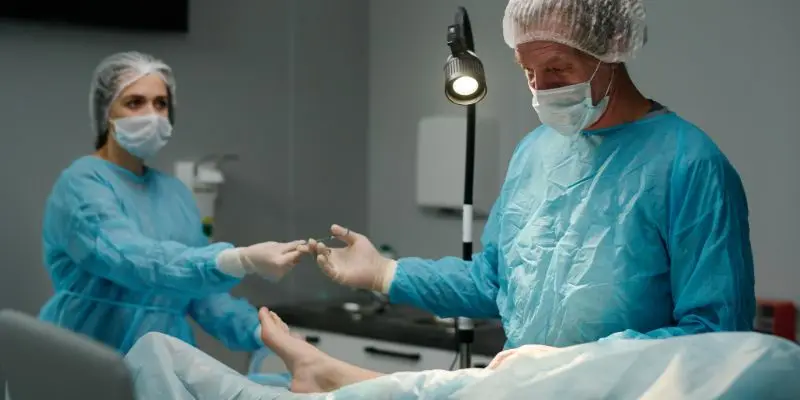
Truth be told, in most cases surgery isn't necessary. But when conservative treatments fail, surgery can be curative.
Modern techniques are much less invasive than they once were. For plantar fasciitis, for example, we can perform percutaneous fascial release with small incisions. For tarsal tunnel syndrome, minimally invasive decompression is recommended.
Recovery times have been dramatically shortened. Where previously months of casts were needed, today it often takes just a few weeks to return to normal activities.
Prevention is better than cure
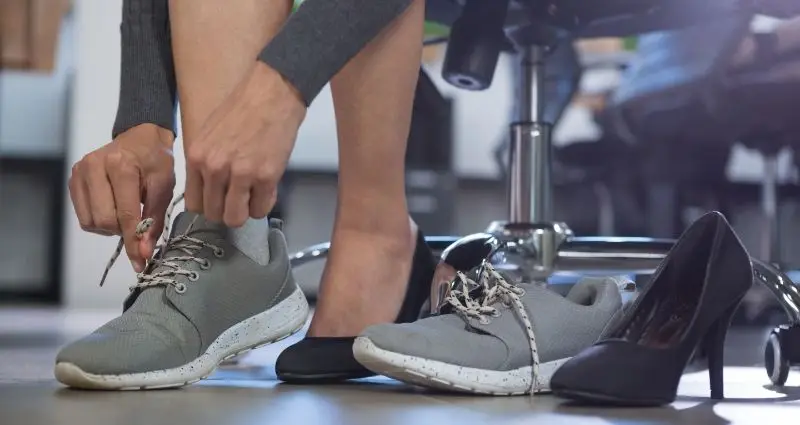
I always tell my patients: the right shoes are as effective as medicine. Shoes with good arch support, a maximum 2-3 cm heel, and enough room for the toes.
Regular physical activity keeps your feet healthy. You don't need marathons; daily walks and some stretching exercises are enough.
Body weight has a huge impact on the feet. Every extra pound translates into greater strain on the arches. It's pure mathematics.
SmartHallux: Where we can help you

Dr. Luigi Manzi, who has gained specific experience in this field, follows each patient with a personalized path using the most modern and least invasive techniques.
The SmartHallux team treats conditions such as hallux valgus , Morton's neuroma , and other deformities that cause foot pain. Providing comprehensive support throughout the treatment process, SmartHallux can be a winning choice for effective treatment tailored to your needs. Book your specialist consultation with the SmartHallux team now (opens in a new tab).
FAQ
How long do I have to wait for surgery with the National Health Service?
Waiting times can be very long, even up to a year or more, depending on the region and the type of surgery. This is a reality I'm unfortunately familiar with.
Why is foot surgery not a priority for the NHS?
Because it's considered less urgent than other types of surgery. It's not life-threatening, so resources are allocated to procedures considered more critical. But that doesn't mean your pain is any less important.
What are the risks of foot surgery?
Like all surgeries, there are risks: infection, bleeding, and reactions to anesthesia. But these complications are rare, and most patients make a full recovery without any problems.