
What is heel pain: causes, symptoms, and diagnosis
What heel pain (talalgia) is, the conditions behind it, from plantar fasciitis to heel spurs, and which tests are needed for an accurate diagnosis.
By Dr. Luigi ManziUpdated on
One of the most painful foot and ankle pathologies that affects humans, regardless of gender or age, is definitely heel pain.
This pathology is commonly described as an inflammation of the heel and usually affects those who have a particularly active lifestyle or who practice sports frequently and assiduously.
Heel pain is not considered a "particularly serious" condition, but if underestimated and neglected, it can become a seriously debilitating problem, potentially compromising the lives of those who suffer from it.
In this article, we will answer the question of what heel spur is, discovering its causes and symptoms , and also delving into the importance of a diagnostic test.
Causes of heel pain

There are many different causes that can lead to heel pain. It's basically an inflammation of the heel that can be triggered by several factors, either independently or in combination.
Plantar fasciitis is undoubtedly the most common and primary cause of heel pain. Being, by its very name, an inflammation of the plantar fascia , this condition affects a long section of fibrous tissue that extends from the toes to the heel. Precisely because of this, the health of the heel is severely compromised and can easily become inflamed, thus causing heel pain.
Another cause, again linked to a different pathology, is heel spurs . This problem affects the heel; in fact, heel spurs appear as a bony protrusion of the heel bone. The curious thing about heel spurs is that they aren't always painful , but when combined with inflammation (such as plantar fasciitis), they can affect the health of the heel, causing heel pain.
Heel pain is not only caused by other pathologies but also by bad practices, injuries, and postural or biomechanical problems.
Poor posture , for example, places excessive stress on the heel, which is then put to the test by an incorrect and unbalanced gait. Furthermore, biomechanical conditions, such as pronated or flat feet , can also jeopardize the health of the heel. These problems, in fact, prevent proper body weight balance, a condition that inevitably affects the heel.
The possibility of trauma or injury should never be underestimated . Whether due to external causes (accidents or fractures) or bad habits (overdoing sports, even inappropriately), the heel can be subject to fractures that will inevitably cause inflammation in the affected area.
Last but not least, bad habits are often the cause of heel pain. Wearing uncomfortable , ill-fitting shoes and putting excessive strain on the foot can stress the heel, causing heel pain.
Symptoms of heel pain

The symptoms of heel spur are also varied and can be independent or related. These vary primarily based on the severity and stage of the inflammation.
Let's see what the most common and recognisable symptoms of heel pain are.
- Pain: certainly the first recognizable and most debilitating sign. It is perceived in a more sharp on awakening, therefore, after a period of inactivity. Although pain is the first sign that there is a problem, it is also misleadingIn fact, even if you feel the pain first thing in the morning, it tends to diminish throughout the day, falsely suggesting that the problem may be temporary. However, you shouldn't be fooled when the pain occurs daily.
- Burning: it is a symptom similar to pain but which can sometimes also affect the sole of the foot. Usually the burning sensation is felt in “pungent” manner, in fact, it feels as if the heel is being pricked and that this perception is also accompanied by a sensation of abnormal heat.
- Redness and swelling: by force of cause, since heel pain is an inflammation, the affected area will appear red and swollen, a clear sign that the entire heel is reacting to internal inflammation.
- Motor difficulties: after the morning pain stage, if the heel pain is at an advanced stage, the pain will no longer disappear after waking up, but will continue to increase, even making it difficult, or even to prevent the normal mobility of the foot.
Paying attention to these symptoms is essential to recognize a potential problem and get a diagnosis as soon as possible. Only with an early diagnosis can heel pain be detected and treated quickly to achieve a rapid recovery.
Diagnosis of heel pain
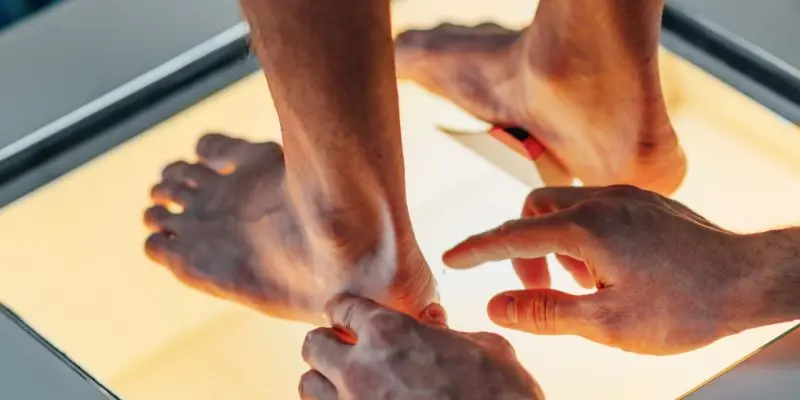
Once the symptoms of heel spur have been recognized , it is essential to consult a specialist doctor and obtain a precise diagnosis as soon as possible.
The diagnostic test follows several steps, all aimed at revealing the pathology while simultaneously excluding others.
The doctor will immediately assess the patient's symptoms , also analyzing their medical history . Only by knowing the patient's medical history, including the presence of previous pathologies, traumas, or injuries, will the doctor be able to better understand the disorder and its stage.
We will then proceed with a thorough physical examination of the heel , to evaluate in particular the most painful points and detect any swelling or redness.
The doctor almost always prescribes other specific tests such as X-rays , ultrasounds , and MRIs . These diagnostic imaging tests are essential both to investigate and detect the presence of any fractures, lesions, or secondary inflammation, and to definitively rule out other pathologies other than heel spur.
Although it has already been clarified, it is worth insisting on the fact that only an accurate and early diagnosis will give those affected the opportunity to act in time and prevent unpleasant complications.
SmartHallux: Your Solution to Heel Pain

Given the importance of consulting one or more specialists in the field to diagnose and subsequently treat heel pain, you should know that SmartHallux is the ideal solution you've been looking for.
Using cutting-edge techniques and tools , SmartHallux specialists combine a highly specialized approach with a fully dedicated approach to patient care. SmartHallux designs completely personalized treatment and rehabilitation programs , designed specifically for each patient type.
With particular attention to the patient's needs and expectations, SmartHallux ensures not only a professional and competent approach but also an attention to patient well-being that should not be underestimated.
Book a SmartHallux visit

Not just treatments and techniques, SmartHallux addresses its patients immediately in a fast and comfortable way.
In fact, booking a SmartHallux visit is the simplest thing you can do.
Just click here and decide how, where, and when to visit with the SmartHallux experts.
Choose to preserve your health, choose SmartHallux!