
Sprained big toe: what to do when the pain stops you from walking properly
A sprained big toe happens when the joint is forced beyond its range, as in turf toe. The symptoms, how to tell it from a fracture and how it is treated.
By Dr. Luigi ManziUpdated on
A sudden movement, a sprain on the sidewalk, a shoe that's too stiff or ill-fitting. A sprained big toe may seem like a minor problem, but anyone who's ever sprained one knows how annoying it can be. Walking becomes difficult, every step hurts, and even the most comfortable shoes don't seem to help. But how do you recognize a sprained toe and what should you do to heal properly?
What is a sprain of the big toe and how does it happen?

A sprain is a joint injury in which the big toe undergoes a sudden movement beyond its normal range, causing a strain or partial tear of the ligaments. It can occur during sports, walking on uneven surfaces, or due to wearing ill-fitting shoes. Sometimes, even a poor fit can lead to persistent pain and swelling.
Among the most common causes , we find being overweight , inadequate footwear , a condition of joint hypermobility or, in more serious cases, a direct trauma such as that caused by a bump.
Symptoms: When to Know It's Really a Sprain

The signs are quite obvious: sharp pain upon movement or touch, localized swelling, bruising , and sometimes redness in the area. In more severe cases, the big toe may appear deformed or stiff, signs that could also suggest a dislocation or fracture.
How is it diagnosed?

Diagnosis is made primarily through a careful clinical evaluation. Depending on the severity of the trauma, the specialist may order an X-ray to rule out fractures or an MRI to evaluate the ligaments. Distinguishing between a simple sprain and a more complex big toe injury , such as a dislocated toe , is crucial for choosing the right treatment.
Treatments: what to do and when to intervene

Treatment depends on the severity of the injury. In mild cases, conservative management based on the RICE protocol is recommended: rest, ice, compression, and elevation. These can be combined with anti-inflammatory or analgesic medications to control pain.
In more severe injuries, especially if there is joint instability or deformity, surgery may be necessary . Subsequent rehabilitation is essential to regain full movement of the big toe and prevent complications such as osteoarthritis or chronic instability.
Prevention: small gestures, big results
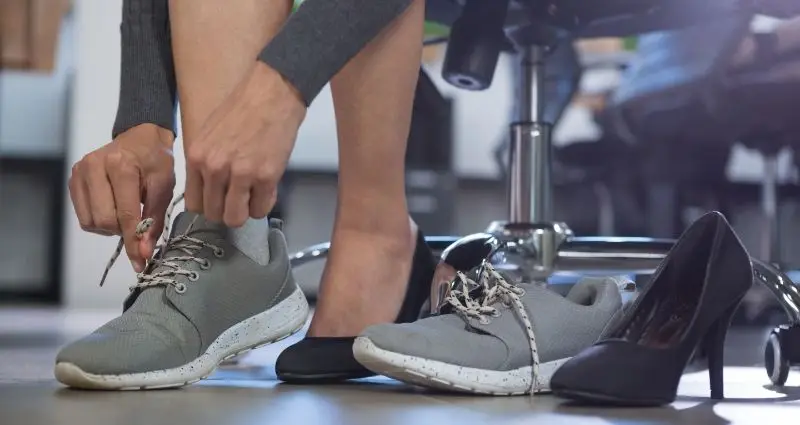
Preventing big toe sprains is possible. How? Starting with shoes: comfortable, with good support, and appropriate for the activity. Maintaining a healthy weight reduces stress on the joints, while targeted exercises to strengthen the foot muscles can increase stability. These are simple measures, but they make a difference.
SmartHallux: Have you suffered a trauma to your big toe and don't know what to do?

When conservative therapies are no longer sufficient, SmartHallux offers advanced surgical solutions, such as minimally invasive procedures, to reduce pain and improve mobility lastingly. Dr. Luigi Manzi , with years of experience in foot surgery, leads a highly specialized team ready to evaluate each case carefully and individually.
The SmartHallux team treats conditions such as hallux valgus , Morton's neuroma , and other deformities that cause foot pain. Providing comprehensive support throughout the treatment process, including post-operative recovery, SmartHallux can be a winning choice for effective treatment tailored to your needs. Book (opens in a new tab) your specialist consultation with the SmartHallux team now.
FAQ
What to do if you sprained your big toe?
Apply ice immediately, keep your foot elevated, and limit movement. If the pain is severe, it's best to consult a specialist.
How long does it take to heal?
It depends on the severity: from a few days to 3-4 weeks. In more severe cases, even longer, especially if surgery is necessary.
How do you prevent a sprain?
With suitable shoes, attention to the surfaces you walk on and good foot muscle tone.