
Vascular Callus: What You Need to Know About This Foot Condition
A vascular callus is a hard patch of skin with tiny blood vessels that bleeds and hurts when pressed. The causes, how it differs from a wart and treatment.
By Dr. Luigi ManziUpdated on
Have you ever heard the term "vascular callus" and been a little confused? You're not alone. Many patients come to my office with this diagnosis, and the first thing they ask is, "Doctor, what exactly is it?"
It's normal to be concerned when you hear the word "vascular" associated with something on your foot. The first thing I want to tell you, however, is this: breathe. We're not talking about a tumor, but a completely benign growth that, in most cases, can be treated effectively.
Let's try to shed some light on this topic, which, truth be told, often generates more anxiety than necessary.
What is a vascular callus really?
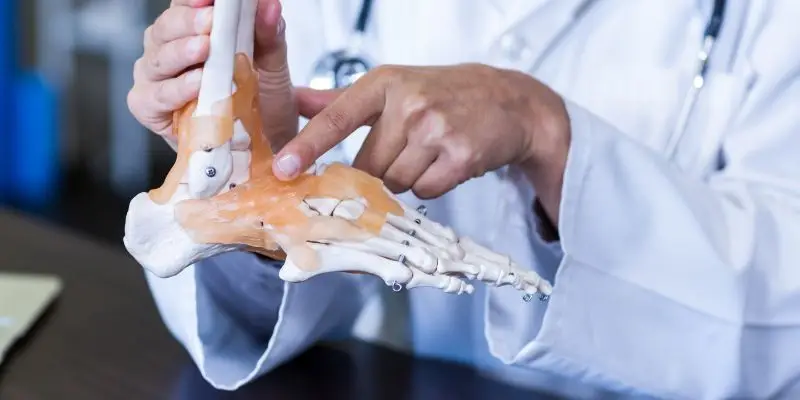
When we talk about vascular callus, we're describing a condition in which the walls of blood vessels—especially the smaller ones in the foot—thicken and become stiffer. Think of the vessels as small tubes carrying blood: when their walls "harden," blood flow becomes less efficient.
Now, this is interesting because the foot is one of the areas of our body furthest from the heart. Blood already has a harder time reaching it, especially when we're on our feet all day. Add to this this thickening of the vascular walls, and problems can begin.
Furthermore, there are different types of vascular callus. Arterial callus involves the arteries that carry oxygen-rich blood to the tissues. Venous callus involves the veins that return used blood to the heart. And then there's lymphatic callus, which affects the system that drains fluids from the tissues.
The main difference compared to other vascular diseases? Vascular callus is localized, not systemic as other more serious conditions might be.
Why does a vascular callus form?

The causes are varied and often cumulative. Atherosclerosis is certainly one of the main ones—those notorious cholesterol plaques that build up on the artery walls and narrow them. I've seen many diabetic patients develop this problem: high blood sugar damages the vessels over time, a silent process that continues for years.
High blood pressure doesn't help. High blood pressure puts constant stress on the blood vessels, as if they were constantly under pressure. Smoking is also a sworn enemy of circulation—it literally damages the blood vessel walls and reduces oxygen delivery.
High cholesterol is often the main protagonist in this story. And if you have family members with similar vascular problems, unfortunately the risk increases. Genetics play a role, that's why.
How to recognize it: the symptoms

Patients often describe a sensation of foot pain, especially after standing for a long time. It's not a sharp, twinge-like pain, but more of a dull ache that worsens with activity.
Numbness is another common symptom. "Doctor, my foot feels numb," I'm often told. Sometimes there's weakness and difficulty walking long distances. Muscle cramps may occur, especially at night.
The skin may become cooler to the touch than the other foot. It may change color—becoming paler or, in more advanced cases, bluish. Wounds that don't heal are an important warning sign that should never be ignored.
How do I diagnose?

When a patient comes to me with these symptoms, I always begin with a physical exam. I check the foot pulses—there are two main ones, one on the top and one on the side. I assess the skin temperature and color, and look for signs of tissue damage.
Then I always ask: How long have you had these symptoms? Do they get worse with movement or at rest? Do you have any other health problems? These details help me better understand the situation.
To confirm the diagnosis, I use color Doppler ultrasound, which allows us to "see" the blood flow in the vessels. It's a non-invasive test that takes about twenty minutes. Sometimes a CT scan or MRI is necessary to get a more complete picture.
It's important to distinguish it from a lipoma, for example. A lipoma is a benign fatty mass that feels like a soft "ball" under the skin. A vascular callus has different characteristics and involves blood vessels.
Treatment options
Not all vascular calluses require immediate treatment. If the problem is mild and doesn't cause significant symptoms, observation is often the best option. Regular check-ups are recommended to monitor the situation.
When intervention is necessary, there are several options. Drug therapy can help improve circulation and manage risk factors such as hypertension and cholesterol. Embolization and sclerotherapy are less invasive techniques for "closing" problematic vessels.
For pain, I often use anti-inflammatory drugs, but always with caution because many patients with vascular problems also have other health problems.
SmartHallux: Where we can help you

Here at SmartHallux, we specialize in foot and ankle surgery. Dr. Luigi Manzi, who has extensive experience in this field, provides each patient with a personalized treatment plan using the most modern techniques.
Our minimally invasive technique for treating vascular calluses is truly innovative. It's an outpatient procedure under local anesthesia, takes an average of 20 minutes, and offers a rapid post-operative recovery. No major incisions are required—just a few millimeters of space. The advantage of not having to insert screws or fixation devices is enormous for the patient.
We also use stem cells for selected cases—an innovative therapy that can accelerate healing and improve outcomes. The advantages over traditional procedures are clear: less invasive, shorter procedure time, faster recovery, and superior aesthetic results.
Prognosis and possible complications
The overall outcome depends largely on when the procedure is performed and how advanced the vascular problems are. The earlier the diagnosis, the better. The complications that concern me most are superficial thrombophlebitis, the risk of embolism, infections, and especially non-healing ulcers.
Prevention tips
Quit smoking. I know, it's easier said than done, but it's the most important advice I can give you. Monitor your blood pressure and cholesterol levels. Get regular exercise—even just walking half an hour a day helps your circulation tremendously.
If you have diabetes, keep your blood sugar levels under control. Maintain good foot hygiene and check your feet daily for sores or skin changes.
The SmartHallux team treats conditions such as hallux valgus , Morton's neuroma , and other deformities that cause foot pain. Providing comprehensive support throughout the treatment process, SmartHallux can be a winning choice for effective treatment tailored to your needs. Book your specialist consultation with the SmartHallux team now (opens in a new tab).
Questions you often ask me
Doctor, is vascular callus dangerous?
It's not dangerous in itself, but it needs to be monitored. It's a benign condition that can worsen if not treated properly.
Can it become cancer?
No, absolutely not. It's a benign growth that remains benign. There's no risk of it becoming cancerous.
Do I have to have surgery?
Not always. Many cases can be managed with conservative therapies. Surgery is considered when symptoms are severe or when there is a risk of complications.