
Achilles tendinopathy and Haglund's disease: when surgery is necessary
Insertional Achilles Tendinopathy and Haglund's Disease: In this article, we'll discuss when to consider surgery.
By Dr. Luigi ManziUpdated on
Insertional Achilles tendinopathy and Haglund's disease : two conditions that affect many people. In this article, we'll discuss when to consider surgery . But first, let's take a closer look at these two conditions.
Insertional Achilles tendinopathy

Insertional Achilles tendinopathy is a condition that directly affects the Achilles tendon . It is often caused by excessive stress on the tendon. The most common causes are:
- excessive exercise;
- inappropriate footwear;
- training errors;
- age.
Among the most common symptoms of insertional Achilles tendinopathy:
- Pain: especially in the morning or after exercise.
- Rigidity: waking up feeling like bricks are stuck to your feet.
- Swelling: the tendon that assumes the size of a balloon.
Diagnosis is often simple and involves physical examination and, often, ultrasound or MRI to get a closer look at the tendon.
Haglund's disease
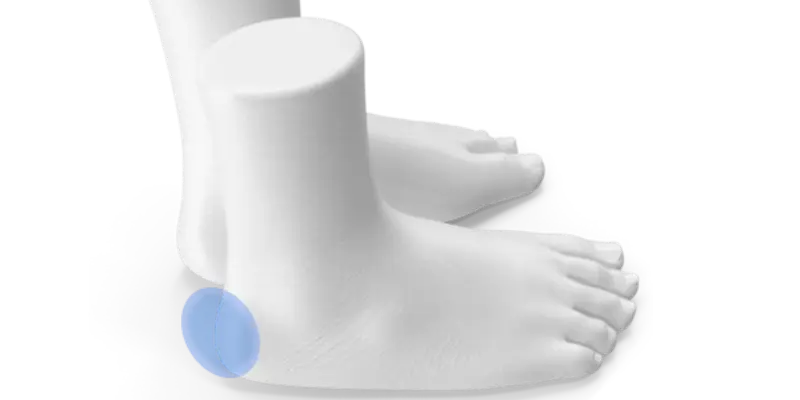
Haglund's disease is a bony growth on the back of the heel. It occurs when:
- stiff shoes are worn;
- you have a high arch;
- because of genetic factors.
The most common symptoms are:
- heel pain;
- redness and swelling.
Again, diagnosis is made through physical examination. X-rays or MRIs may be performed to better understand the source of the problem.
Conservative treatments

Before opting for surgery for Haglund's disease or Achilles tendinopathy, there are some conservative treatments you can try:
- Change your footwear: choose softer shoes to avoid straining the heel.
- Ice and rest: they help reduce inflammation.
- Painkillers: in case of severe and acute pain.
When to consider surgery
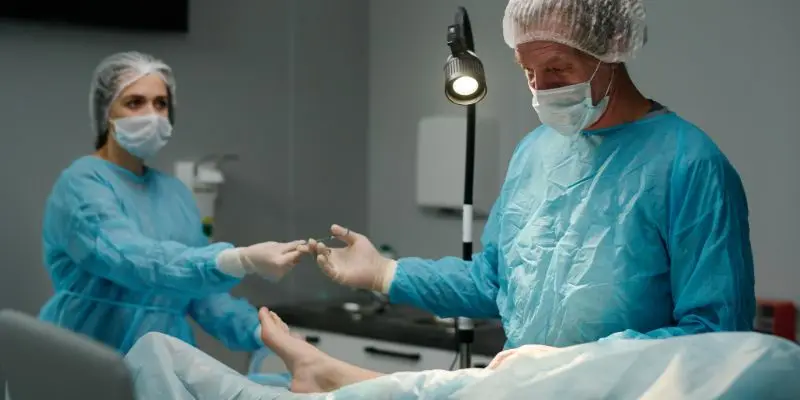
Before considering surgery for Haglund's disease or Achilles tendinopathy, several things must be considered, starting with this:
- Persistent pain: If your heel hurts even when you're at rest, you might want to pay attention.
- Functional limitation: the ankle does not allow for simple movements.
- Recurrent inflammation and swelling: if the foot looks like a tennis ball, maybe it is trying to say something.
At this point, it's essential to see a specialist. Medical evaluations take into account:
- Radiological examinations: X-rays, ultrasounds, or even MRIs.
- Specialist visits: the orthopedist will ask several questions to better understand the condition of the heel.
Risks and benefits of the intervention
What are the risks and benefits of surgery for Haglund's disease or Achilles tendinopathy? Let's look at them:
- Benefits: pain reduction and improved mobility.
- risks: infections, scars and failed operations.
What to expect from the post-operative journey

The post-surgery phase includes a recovery phase, which includes:
- Rest: immobilized foot and walking with crutches.
- Physiotherapy: targeted exercises to regain normal use of the heel.
Prevent relapses
Prevention is better than cure, as the saying goes. Since it's true, here's what you need:
- Appropriate footwear: no stiletto heels or tight shoes.
- Regular stretching: continuous stretching of the foot.
Experiences shared by patients

The Internet is full of stories from those who have suffered from Haglund's disease. Several patients testify:
- Success Stories: from pain to total liberation.
- Practical tips: from pain relief pads to comfortable shoes.
These stories encourage people not to neglect their heel too much, because Haglund's disease or Achilles tendinopathy can affect anyone.
Book now with SmartHallux

Do you suffer from Achilles tendinopathy or Haglund's disease? Contact SmarHallux now . These conditions can cause severe pain, stiffness, and swelling, limiting your mobility and quality of life. SmartHallux offers cutting-edge solutions to effectively treat these conditions. Thanks to innovative techniques and a personalized approach, it guarantees excellent results and a rapid recovery. Don't wait until the pain becomes unbearable: book a consultation now using the booking form on our website and find out how we can help you regain the health of your feet.