
How much does bunion surgery cost and what you need to know before deciding?
Bunion surgery cost depends on the technique, the clinic and what the fee includes. What to ask before deciding, and how minimally invasive surgery compares.
By Dr. Luigi ManziUpdated on
Have you noticed that your big toe is "moving toward the other toes"? Maybe you've started having pain when walking, or you simply can't wear the shoes you used to love. Hallux valgus is a problem I see every day in my office.
And the first question everyone asks me? “Doctor, how much does bunion surgery cost?”
It's a legitimate question. Let's talk about it bluntly.
What is hallux valgus really?

Hallux valgus is essentially just that: the big toe veers outward. But it's not just a cosmetic issue, as many think. It's a true deformity that affects bones, joints, and soft tissues.
Imagine the big toe joint like a door hinge. When a bunion develops, this "hinge" shifts from its normal position, creating that bony protrusion—the famous "bunion"—that protrudes from the inside of the foot.
The problem doesn't stop there. When the big toe deforms, the entire foot has to compensate. The other toes often curl up, weight distribution becomes uneven, and other problems arise.
Why do hallux valgus occur?

“Doctor, is it the heels’ fault?” I hear this at least three times a week.
High heels can make the situation worse, it's true. But the main cause is genetic. If your mother or grandmother had bunions, the chances are very high that you will too. It's a question of foot shape that is inherited.
Then there are other factors. Arthritis can accelerate the process. Flat feet predispose to bunions. And yes, even years of wearing the wrong shoes can contribute—not just heels, but also shoes that are too tight or have a pointed toe.
Age plays a role. I've noticed that many women develop or worsen bunions around menopause, likely due to hormonal changes that affect connective tissue.
Symptoms You Can't Ignore

Pain is the main symptom, of course. But not all bunions hurt the same way.
Some patients tell me, "Doctor, it only hurts in certain shoes." Others say, "I can't even walk barefoot." The pain can be on the bony protuberance, under the ball of the foot (because the weight is distributed unevenly), or even in the other toes, which deform to compensate.
Do you ever get corns and calluses? They're often the result of hallux valgus. The foot rests differently, creating abnormal pressure points, and the skin reacts by thickening.
Morning stiffness is another sign. Do you get out of bed and the first steps are painful? The big toe joint is probably already compromised.
How do I diagnose?

When you come into my studio, the first thing I do is watch you walk. It seems trivial, but I can already tell a lot from your walk. I ask you to take off your shoes and I observe your foot both still and in motion.
Then comes the physical examination. I palpate the area, check the joint's mobility, and check for signs of inflammation. An X-ray is almost always necessary to see exactly what's happening to the bones and plan any necessary surgery.
In recent years, I've also often used baropodometry, a test that measures how your weight is distributed across your foot. I have you walk on a special platform and we see on the screen where your foot lands more or less.
The options we have
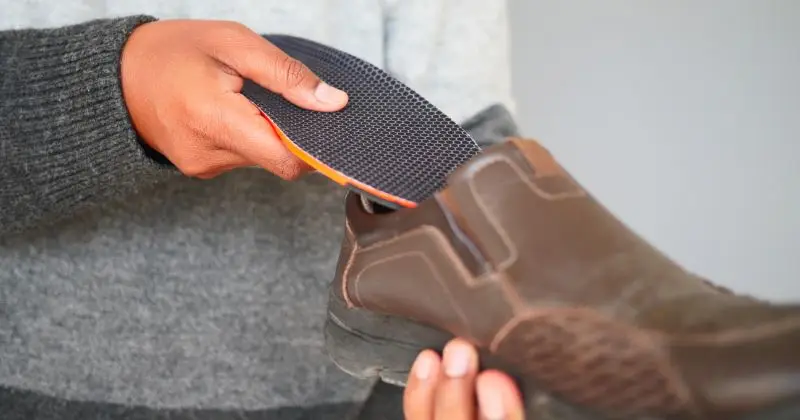
Not all bunions require surgery. It depends on the pain, the degree of deformity, and how much it interferes with your daily life.
For initial cases, we often begin with conservative treatments. Custom-made insoles are used to redistribute the load. Physical therapy exercises are performed to maintain joint mobility. Shoes with specific features—wide toes, moderate heels, and soft materials.
Those infamous "toe separators" sold at the pharmacy? Honestly, they don't help much. They may provide temporary relief, but they don't correct the deformity.
When the pain becomes severe or the deformity worsens despite everything, then we talk about surgery. And here we come to the crux: the cost of bunion surgery.
How much does it really cost to operate on a bunion?

The cost of bunion surgery varies greatly. In public clinics, it's theoretically free, but the waiting time is extremely long—often years. In private clinics, it depends on several factors.
The surgical technique influences the price. A traditional open procedure costs less than minimally invasive hallux valgus surgery or more modern techniques such as percutaneous surgery.
The city makes a difference. In Milan or Rome, costs are generally higher than in other parts of Italy. The surgeon and the hospital structure also influence the final price.
On average, bunion surgery costs between €4.000 and €7.000. But be careful: does the price include the pre-operative consultation, anesthesia, operating room, hospital stay if necessary, and post-operative follow-up?
New surgical techniques

Bunion surgery has evolved dramatically in recent years. When I started, only open surgeries were performed, resulting in long scars and slow recovery times.
Today, we offer percutaneous bunion surgery, which is performed through small incisions measuring just a few millimeters. Minimally invasive bunion surgery allows for quicker recovery and nearly invisible scars. Some colleagues also use laser techniques to cut the tissue, although I personally prefer more traditional yet minimally invasive approaches.
The technique I use most often is the percutaneous, X-ray-guided one. I make small 2-3 mm incisions, correct the bone with special instruments, and the patient can often go home the same day.
The advantages? Less post-operative pain, shorter recovery times, minimal risk of infection, and improved aesthetic results.
What to expect after surgery

“Doctor, when can I walk normally again?” This is the second most frequently asked question after the question about cost.
With modern techniques, you can put your foot on the ground immediately after surgery, but with a special shoe. For the first 2-3 weeks, you walk in this protective shoe. Then, you gradually return to normal shoes.
Swelling is normal and can last up to 2-3 months. The final result, both in terms of form and function, is visible after about 6 months.
I have patients who were already driving after three weeks (if the surgery wasn't on the right foot), others who took longer. It depends on your job, your age, and how severe the initial deformity was.
How to prevent it from getting worse

If you have an early bunion, there are a few things you can do to slow its progression. You can't stop it completely, but you can buy yourself some time.
Shoes are essential. Wide toes, heels no higher than 4-5 centimeters, and materials that don't restrict movement. I know it's difficult, especially for women, but it's true.
Stretching exercises to keep the big toe joint mobile. Walk barefoot whenever possible. Massage to improve circulation.
Weight control helps, because less weight means less pressure on your feet.
SmartHallux: Where we can help you

Dr. Luigi Manzi, who has gained specific experience in this field, follows each patient with a personalized treatment plan using cutting-edge minimally invasive techniques.
The SmartHallux team treats conditions such as hallux valgus , Morton's neuroma , and other deformities that cause foot pain. Providing comprehensive support throughout the treatment process, SmartHallux can be a winning choice for effective treatment tailored to your needs. Book your specialist consultation with the SmartHallux team now (opens in a new tab).
Our approach aims to optimize results by reducing recovery times, thanks to collaboration with selected clinics and the use of high-quality materials, while maintaining competitive costs compared to market prices.
FAQ
Can I operate on both feet at the same time?
I almost always advise against doing both feet at the same time. It's better to operate on one, wait for recovery, and then possibly do the other. That way, you can always stand on a healthy foot.
Can bunions return after surgery?
With modern techniques, recurrence is rare, but it can happen. It depends greatly on how closely you follow the post-operative instructions and your foot type.
Is it true that after the surgery I can no longer wear heels?
That's not true. After full recovery, you can wear heels again, but in moderation. The important thing is not to overdo it with the height and frequency.