
How to prevent bunions and protect your foot health
How to prevent bunions: roomy shoes with a low heel, toe exercises, insoles when the arch collapses and early checks if the big toe starts to drift.
By Dr. Luigi ManziUpdated on
Have you ever looked at your feet and noticed that your big toe tends to deviate toward the other toes? Or do you experience discomfort on the side that makes it difficult to put on shoes? It could be the early stages of hallux valgus , a progressive deformity that, if left untreated, can seriously compromise your quality of life. In this article, you'll learn how to prevent hallux valgus.
What is hallux valgus?

Hallux valgus is a condition in which the big toe deviates toward the other toes, causing a lateral bony prominence (the classic "bunion") at the base of the toe. It mainly affects women and can have various causes: genetic factors, biomechanical alterations of the foot, prolonged use of tight or high-heeled shoes, but also muscle imbalances or ligament laxity.
Symptoms: Recognize the signs in time
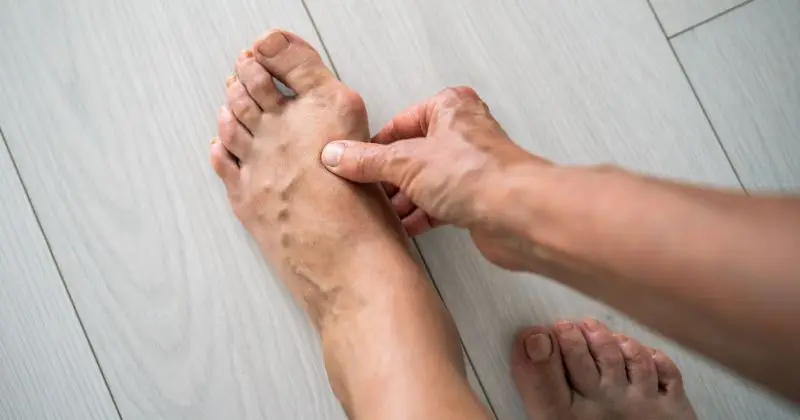
The symptoms of bunions aren't limited to aesthetics. Early warning signs include:
- Pain and inflammation at the base of the big toe
- Redness and swelling on the side
- Difficulty wearing closed shoes
- Progressive deformation of the adjacent fingers
- Forefoot fatigue even after short walks
Prompt action is essential to prevent the deformity from progressing and making surgery necessary.
Diagnosis: When to Seek Specialist Advice

A simple orthopedic evaluation can confirm the presence of hallux valgus. In some cases, a weight-bearing X-ray may be useful to assess the severity of the deformity and any involvement of other foot joints. The earlier the intervention, the greater the chance of avoiding complications.
How is it treated? Therapeutic options
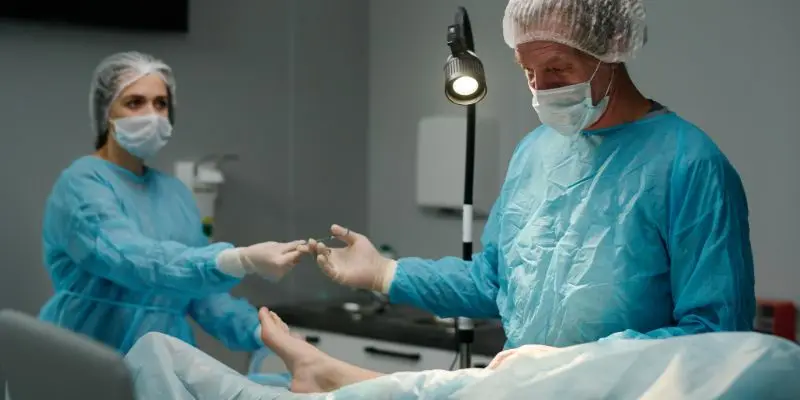
Treatment varies depending on the severity:
- In mild cases, we opt for conservative solutions: orthoses, orthopedic shoes, physiotherapy, anti-inflammatory drugs.
- In the most advanced cases, the only definitive solution is the surgery, which helps restore the correct alignment of the big toe.
Post-surgical recovery involves the use of protective footwear, a period of partial off-load, and progressive rehabilitation.
Bunion Prevention: What You Can Do Every Day

Prevention begins with small daily actions. Here are some practical tips:
1. Choose the right shoes
Choose comfortable shoes with a wide toe and cushioned soles. Avoid high heels for prolonged periods and shoes that are too tight.
2. Maintain a balanced weight
Body weight directly affects foot biomechanics. Reducing overload helps prevent deformities.
3. Do foot exercises
Activities such as toe lifts, gripping objects with your toes, or rolling a ball under the ball of your foot can help strengthen muscles and improve joint balance.
4. Don't ignore the signs
Frequent pain, redness, or difficulty walking should never be ignored. An early visit can prevent more serious problems.
SmartHallux: a concrete solution for the well-being of your feet

If you're familiar with bunions or have already noticed suspicious symptoms, SmartHallux can help. With Dr. Luigi Manzi 's experience and a minimally invasive surgical approach, you can effectively treat the deformity and return to pain-free walking.
The SmartHallux team treats conditions such as hallux valgus , Morton's neuroma , and other deformities that cause foot pain. Providing comprehensive support throughout the treatment process, SmartHallux can be a winning choice for effective treatment tailored to your needs.
Do you have a sore big toe and want to know how to treat it promptly or get a medical opinion? Book (opens in a new tab) your specialist consultation with the SmartHallux team now.
FAQ
What is hallux valgus?
It is a progressive deformity of the foot in which the big toe tilts toward the other toes, often accompanied by a bony protuberance.
How can it be prevented?
With suitable shoes, targeted exercises, attention to body weight and regular orthopedic check-ups.
Is it possible to avoid it altogether?
In some cases, yes, especially if the triggers are environmental or lifestyle-related. If there's a genetic predisposition, it's still possible to slow the progression.