
Swollen feet after bunion surgery: what's normal and what's not
Swelling after bunion surgery is normal in the days following the operation. Why it happens, how long it tends to last and how to manage recovery well.
By Dr. Luigi ManziUpdated on
Is it normal to have swollen feet after bunion surgery? This is probably the question I'm most frequently asked by patients in the days following surgery. The short answer is: yes, it's normal. But let's look at why it happens and, more importantly, how to best manage this recovery phase.
You may have looked at your freshly operated foot and thought, "Is it normal for it to be so swollen?" I completely understand. Seeing your foot double or triple its normal size is shocking. It's a reaction I've seen thousands of times, and every time I try to reassure my patients by explaining that post-bunion swelling is an integral part of the healing process.
On the other hand, we must remember that the surgery, however minimally invasive it may be, still causes trauma to the foot tissues.
Why does the foot swell after surgery?

Swelling is essentially our body's natural response to what it perceives as an "attack" on the tissues. When I operate on a bunion, there's inevitably a disruption to normal local circulation. Blood vessels react by dilating, allowing more fluid to accumulate in the surrounding tissues.
Think of the foot as a sponge. Normally, this sponge is in balance: it constantly absorbs and releases fluids. After surgery, this balance is temporarily disrupted. The lymphatic system, which normally drains excess fluids, slows down for some time.
Inflammation plays an important role. It's not a negative thing—in fact, it's necessary for healing. But it brings with it heat, redness, and, indeed, swelling. I've noticed that younger patients tend to have more intense inflammatory responses, but paradoxically, they also heal faster.
With the SmartHallux technique we use, we try to minimize surgical trauma by using very small incisions and maximally respecting the soft tissue. This results in generally less swelling than with traditional techniques, but we cannot eliminate it completely.
Symptoms You Should Expect
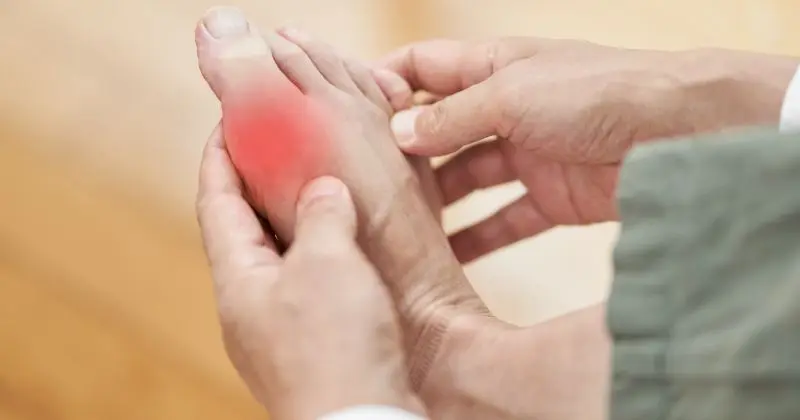
So, what's normal to see in the days after surgery? Your foot will definitely be larger than normal—that's a given. The operated area may feel slightly red and warm to the touch. This is normal. You may feel a tightness, as if your foot were "too full." This is also normal.
The pain varies. Some patients tell me they only feel a dull ache, others describe a throbbing sensation. It depends greatly on the individual's pain threshold and the extent of the surgery.
When should you worry? If the swelling suddenly increases after decreasing. If you develop a fever above 100.4°F (38°C). If you see redness extending well beyond the operated area, or if you notice foul-smelling fluid draining from the wound.
The other day, a patient came to me worried because she had some bluish spots on her foot. I explained to her that these were normal subcutaneous hematomas—blood that collects under the skin after surgery. It's unpleasant to see, but it's part of the process.
How to manage swelling the right way

This is where we can make a difference. Rest doesn't mean staying completely still—that's a mistake I often see. It means not putting weight on the operated foot for the times I indicated, but you can and should move your toes and ankle whenever possible.
Elevating your feet is crucial. When sitting or lying down, keep your foot higher than your heart. This helps drain fluids. I know it's not always comfortable, but it really works. Use pillows, a stool, whatever you have available.
Ice is your friend, but use it wisely. Apply it for twenty minutes every two to three hours for the first few days. Don't apply it directly to the skin—always wrap the ice pack in a towel. And don't overdo it: too much ice can slow circulation.
The compression stocking I prescribed should be worn as directed. I know it may be uncomfortable, especially at first, but it helps tremendously in reducing swelling. Think of the stocking as a gentle, continuous massage that promotes venous return.
As for medications, always follow my instructions. Anti-inflammatories aren't just for pain—they also reduce inflammation and therefore swelling. But don't improvise with dosages or substitutions.
Post-op shoes: more important than you think
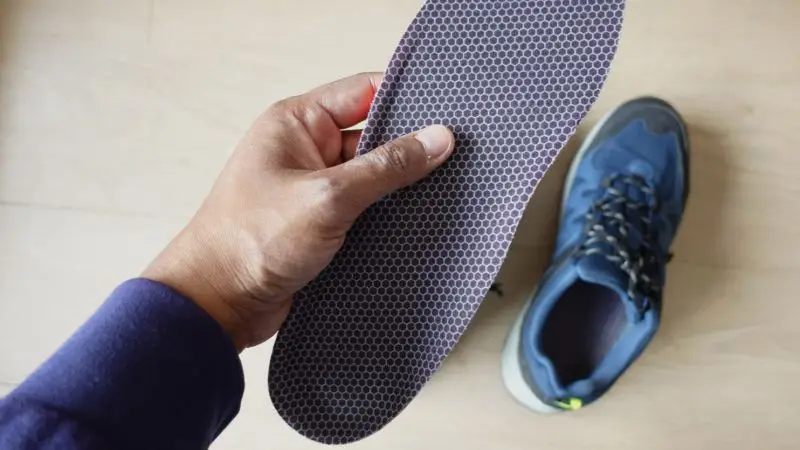
The special post-op shoe I gave you isn't just "protection." It's specifically designed to distribute weight so as not to overload the operated area. I've seen too many patients try to wear regular shoes too early, with disastrous results in terms of swelling and healing.
Use it for the entire time I've indicated. Even at home. I know it may seem excessive, but trust my experience.
When you need to call me right away

There are situations where swelling could indicate something is wrong. If the pain increases suddenly instead of gradually decreasing. If a high fever appears. If you see red streaks running up your leg, this could indicate a spreading infection.
Swelling that significantly worsens after the first few days, especially if accompanied by intense heat and extensive redness, requires immediate evaluation. Don't wait.
Another warning sign is the discharge of pus or a foul-smelling fluid from the wound. Normal healing may produce a little clear fluid, but never pus.
Realistic recovery times
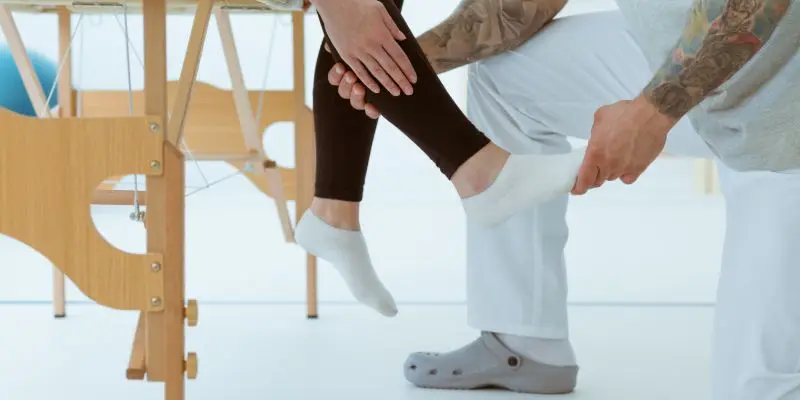
How long does the swelling last? This is the question of the million. On average, the most noticeable swelling subsides in 2-3 weeks. However, residual swelling, especially at the end of the day, can persist for 6-8 weeks. Some patients tell me they still notice slight swelling after 3 months, especially if they stand a lot during the day.
There's no hard and fast rule. I've seen patients whose feet returned to near-normal condition after 10 days, and others who took two months to see significant improvement. Age, general health, and the type of work you do all affect the timing.
Normal walking usually resumes after 4-6 weeks, but this does not mean that the swelling has completely disappeared.
SmartHallux: Where we can help you

Dr. Luigi Manzi, who has gained specific experience in this field, follows each patient with a personalized path using the most modern techniques such as the SmartHallux technique, designed to minimize surgical trauma and therefore post-operative swelling.
The SmartHallux team treats conditions such as hallux valgus , Morton's neuroma , and other deformities that cause foot pain. Providing comprehensive support throughout the treatment process, SmartHallux can be a winning choice for effective treatment tailored to your needs. Book your specialist consultation with the SmartHallux team now (opens in a new tab).
FAQ
Doctor, is it normal for my foot to still be swollen after 3 weeks?
Absolutely. The swelling can last from 2 to 6 weeks, but every patient is different. If there are no other worrying symptoms such as fever or increased pain, everything is normal.
How can I reduce swelling in my foot faster?
There are no miracles, but you can help the process along: elevate your foot whenever possible, ice it regularly, use elastic stockings as prescribed, and above all, respect the recommended weight-bearing times. Haste is the enemy of a successful recovery.
When will I be able to walk normally?
Patients typically resume normal walking four to six weeks after surgery. But remember: normal walking doesn't mean you can immediately run a marathon. Full recovery always takes a few months.