
Physiotherapy after bunion surgery: the path to recovery
Physiotherapy after bunion surgery restores big toe movement, reduces swelling and retrains walking. When it starts, which exercises and how long it lasts.
By Dr. Luigi ManziUpdated on
Have you just had bunion surgery? Wondering what's happening now? It's normal.
Surgery is just the first step. The real journey begins now, with physical therapy after bunion surgery. I know, you're probably thinking, "Haven't I suffered enough already?" I completely understand—I've heard it many times in my office.
But let me explain why this process is so important. Without proper post-surgery hallux valgus rehabilitation, you risk wasting all your surgical work. And believe me, that's not what we want.
What happens after hallux valgus surgery?

After the operation, your foot suffered some surgical trauma. This is normal; it was necessary to correct the deformity. But now the tissues must heal, the joint must regain its function, and the muscles must "remember" how to work together.
It's a bit like buying a new car but not knowing how to drive it properly yet. The foot is there, it works, but it needs to be "trained" to work properly.
The first few days are the most delicate. Swelling is normal, and there's pain—even if it's controlled with medication. But after a week, ten days at most, we can begin gentle exercises. Very gentle.
The goals of physiotherapy: not just movement

When I talk to my patients about physiotherapy after bunion surgery, they often ask me: “Doctor, what exactly is it for?”
Good question. We're not just trying to get you to wiggle your toe again. No, it's much more complex than that.
First of all, we want to reduce pain and inflammation. The operated tissues need to calm down and find peace. Then we need to work on mobility—the joint tends to stiffen if we don't move it gradually. It's human nature: what we don't use, we lose.
But there's more. During the period of forced rest, the foot muscles weaken. This is why we need to strengthen them little by little. And finally—and this is crucial—we need to re-educate the entire foot to work as a team. Because the foot isn't just the big toe; it's a complex whole that must function harmoniously.
How the rehabilitation protocol works
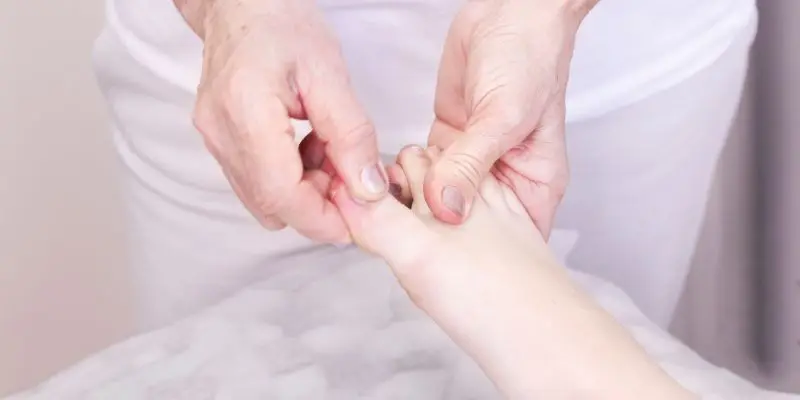
Every patient is different. This is the first thing to understand. There is no standard program that works for everyone—I've learned this over many years of practice.
We usually start with very simple exercises. Passive movements, where the therapist gently moves the fingers. Then, gradually, we move on to active exercises. "Try bending your finger upwards... now downwards... good."
Manual therapy is invaluable. The expert touch of a physical therapist can work wonders to reduce adhesions and improve circulation. And then there are mobilization techniques—specific movements that help the joint regain its natural elasticity.
Proprioceptive exercises are the ones that many patients find most enjoyable. Balancing on one leg, walking on unstable surfaces... they seem like games, but they're actually retraining the nervous system to better control the foot.
Sometimes we also use special orthotics or braces. Not always, it depends on the individual case. The important thing is not to overdo it—the foot needs to learn to work on its own.
What influences recovery times?
“Doctor, how long will it take?” Everyone asks me that. And the answer is always the same: it depends.
Age matters, here's why. A twenty-year-old recovers differently than a seventy-year-old. It's not justice, it's biology. General health makes a difference—those who exercise regularly usually recover faster.
The type of surgery you underwent is crucial. A simple correction takes less time than a complex operation involving multiple joints. And then there's a factor we often underestimate: your motivation.
The other day, a patient came to me and said, "Doctor, I want to go back to dancing tango." Great! That motivation is worth more than any medication. Those who have a clear goal work better and are more committed to their exercises after bunion surgery.
Risks not to be underestimated
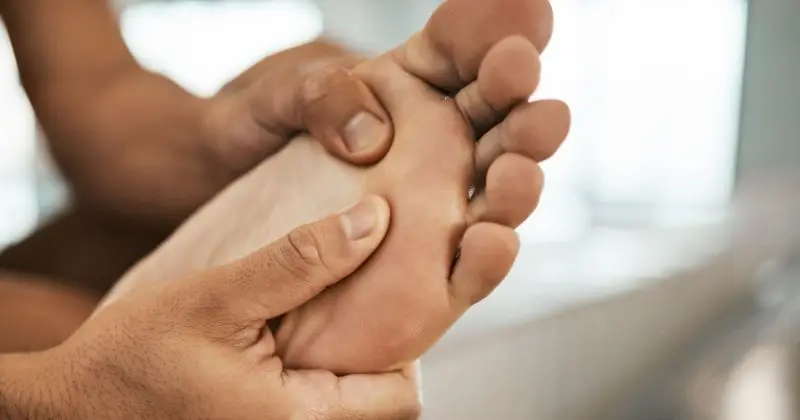
Let's be clear. As with any surgery, there are possible complications. Infection is rare but can happen—that's why it's important to scrupulously follow the post-operative instructions.
Persistent pain is always a cause for concern. Sometimes patients continue to experience discomfort even months later. It's not always a serious problem, but it should be carefully evaluated.
Joint stiffness is perhaps the most common complication I see. That's why I insist so much on physical therapy: prevention is always better than cure. And finally, in very rare cases, failure of the bone to heal. But I repeat: very rare.
My practical tips for recovery

Listen to your physical therapist. It seems trivial, but it isn't. I've seen patients who did things their own way and then complained about the results. Post-bunion exercises should be done consistently, not whenever you remember.
Shoes are crucial during recovery. No high heels for a while, and no tight shoes. Your foot needs space and support. Invest in quality footwear—your feet will thank you.
Rest when your body tells you to. Don't be a hero. Recovery also involves pauses, moments when tissues regenerate. And if you notice any unusual swelling or redness, call immediately.
SmartHallux: Where we can help you

Here at SmartHallux, we specialize in foot and ankle surgery. Dr. Luigi Manzi, who has extensive experience in this field, provides each patient with a personalized treatment plan using the most modern techniques.
The SmartHallux team treats conditions such as hallux valgus , Morton's neuroma , and other deformities that cause foot pain. Providing comprehensive support throughout the treatment process, SmartHallux can be a winning choice for effective treatment tailored to your needs. Book your specialist consultation with the SmartHallux team now (opens in a new tab).
Questions you often ask me
When can I start physical therapy after surgery?
We usually wait 7-10 days, but it depends on how the wound is healing. Each case is unique—some patients are ready sooner, others need more time.
How long does the entire rehabilitation process last?
It varies greatly. I've seen complete recoveries in six weeks, and others that took several months. The average is around 2-3 months to return to normal activities.
Can I do the exercises alone at home?
Some are fine, others are best done with a physical therapist. We'll provide you with a worksheet with safe exercises to do at home—but never skip your scheduled sessions.
When will I be able to go back to sports?
It depends on the sport. Walking on flat ground after a few weeks, running after a few months. Sports with jumping and changes of direction? You'll need more patience.