
Valgomed for Hallux Valgus: What You Need to Know
Valgomed for hallux valgus: what it is, how it is meant to work and what to expect realistically, from the experience of foot surgeon Dr. Luigi Manzi.
By Dr. Luigi ManziUpdated on
Have you ever looked at your feet and noticed that your big toe is "running away" toward the other toes? Maybe you also have that annoying bump on the side of your foot that hurts when you wear certain shoes. Well, we're probably talking about hallux valgus, one of the most common foot deformities I see in my office.
Hallux valgus isn't just an aesthetic problem, although patients often come to me saying, "Doctor, my foot has become ugly." The truth is that there's a more complex mechanism behind this deformity. And today I want to talk to you about a special surgical technique called Valgomed for hallux valgus, which can be an interesting solution.
What is hallux valgus really?

Imagine your big toe like a tree growing crookedly. Instead of pointing straight forward, it begins to bend toward the other toes, creating that characteristic angle we all recognize. But it's not just the big toe that moves—the metatarsal bone at the base also shifts, creating that "bun" (as many patients call it) on the inside of the foot.
This deformity mostly affects women. Why? Well, several factors play a role, but it's often a combination of genetics and lifestyle. If your mother or grandmother had bunions, you're likely to develop them too.
The causes: it's not just high heels

Here's something I often say: don't always blame heels! Sure, the wrong shoes can make things worse, but there's usually a basic predisposition. I've seen men with bunions who've never worn heels in their lives.
Genetics plays a key role. If you have flat feet, for example, or if your bone structure has certain characteristics, you're more at risk. Then, of course, if you add tight shoes or high heels for years, the problem can accelerate.
Age also matters. As we age, ligaments loosen, muscles lose tone, and deformities that were perhaps only slightly noticeable become more pronounced. This is normal; it's part of our body's aging process.
Symptoms You Can't Ignore
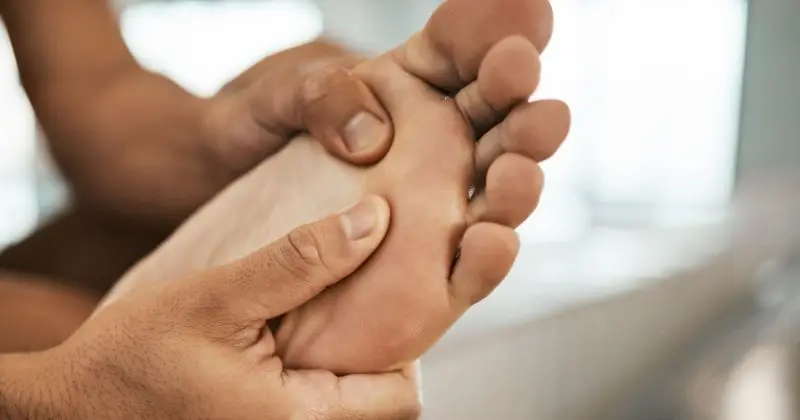
Pain is often the first warning sign. I'm not talking about the occasional pain after a long day on our feet—we all have that. I'm talking about that constant pain, perhaps accompanied by burning or swelling in the ball of the foot.
Many patients tell me they have trouble finding shoes that don't hurt. "Doctor, these days I only buy very wide shoes, and even then..." Others notice that walking becomes tiring, especially on uneven terrain or for long distances.
Sometimes calluses or corns also develop in the areas of greatest friction. In short, the foot tries to adapt as best it can to the new situation, but it doesn't always succeed.
How do I diagnose?

When a patient comes to my office for bunions, the first thing I do is observe. It seems trivial, but observation is crucial. I look at how the patient walks, how they land their foot, and if there's any limping.
Then comes the actual clinical examination. I measure the angles, check the flexibility of the big toe, and see if other toes are affected. It's also important to determine if there's pain and where it's located.
X-rays are almost always necessary. They allow me to precisely measure the angle of the deformity and assess the condition of the bones and joints. This information is essential for deciding the best treatment.
Treatment options: scalpel not always necessary
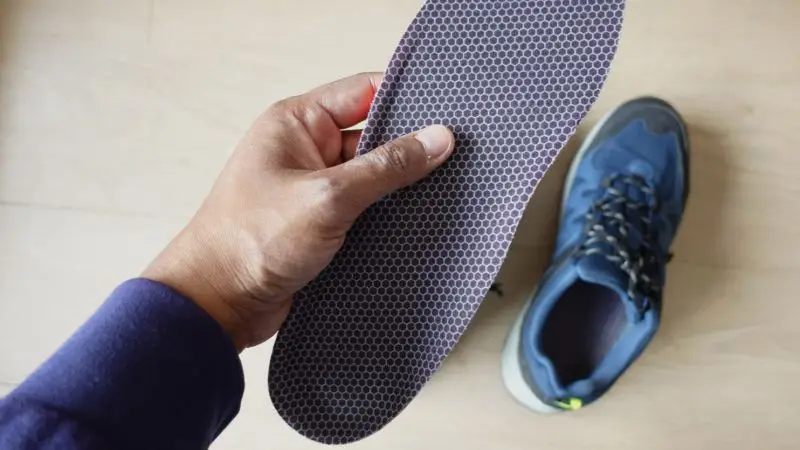
Contrary to popular belief, surgery isn't always the first choice. If the bunion is still in its early stages and the pain is manageable, a conservative approach can be attempted.
Custom-made orthotics can greatly help redistribute the load. They don't "straighten" the big toe—I want to make this clear—but they can reduce pain and slow the progression of the deformity. Some night splints can also be beneficial.
For acute pain, I sometimes prescribe anti-inflammatories, but always for short periods. Inflammation can also be controlled with ice packs and rest when possible.
But if the deformity is significant, if the pain is constant and limits daily activities, then surgery should be considered. This is where the Valgomed technique comes in.
The Valgomed technique: minimally invasive and effective
Valgomed represents an interesting surgical approach for hallux valgus. It is a minimally invasive technique that allows the deformity to be corrected through small incisions, reducing surgical trauma compared to traditional techniques.
The main advantage? Recovery is generally quicker. Patients I've operated on with this technique often tell me they're back to walking normally sooner than expected. Obviously, every case is different, but the minimally invasive approach has clear benefits.
Precision is another strength. Thanks to specialized tools, I can correct the angle of the big toe with greater accuracy, minimizing the risk of over- or under-correction.
Recovery and realistic expectations
After Valgomed surgery, patients can usually walk immediately with a special shoe. We're not talking about running a marathon the next day, but being able to perform essential daily activities independently.
The first two weeks are the most delicate. The foot is still swollen, there's some pain (manageable with medication), and you must carefully follow the post-operative instructions. After about a month, you can start wearing normal shoes, as long as they're comfortable and roomy.
Swelling may persist for several months, especially in the evening. This is normal and gradually resolves. The final shape of the foot can be seen 3-6 months after surgery.
SmartHallux: Where we can help you

Here at SmartHallux, we specialize in foot and ankle surgery. Dr. Luigi Manzi, who has extensive experience in this field, provides each patient with a personalized treatment plan using the most modern techniques, including the Valgomed technique for hallux valgus.
Our approach is not limited to surgery, but includes a comprehensive patient evaluation, from diagnosis to full functional recovery.
The SmartHallux team treats conditions such as hallux valgus , Morton's neuroma , and other deformities that cause foot pain. Providing comprehensive support throughout the treatment process, SmartHallux can be a winning choice for effective treatment tailored to your needs. Book your specialist consultation with the SmartHallux team now (opens in a new tab).
Questions you often ask me
Does the Valgomed procedure hurt?
Postoperative pain is generally well controlled with medications. Most patients tell me it was less painful than they expected.
How long does the surgery last?
It depends on the complexity of the case, but it usually takes about 30-45 minutes per foot. If we need to operate on both feet, we usually do them separately.
Can I go back to wearing heels?
This is one of the most frequently asked questions! After a full recovery, shoes with a moderate heel (3-4 cm) are generally well tolerated. Extremely high heels... well, it's best to avoid them if you don't want to risk a recurrence.
Are there any risks?
Like any surgical procedure, this one also has risks, albeit rare. Infections, hematomas, abnormal healing, and joint stiffness can occur. However, the Valgomed technique, being less invasive, statistically has fewer complications than traditional techniques.