
Healing from bunions: everything you need to know
Let's take a look at what "healing from bunions" really means and what all the options available to us today are.
By Dr. Luigi ManziUpdated on
Have you looked at your feet and noticed that your big toe has started to "bend" toward your other toes? You're not alone. Hallux valgus is one of the foot conditions I see most frequently in my practice, and the first question patients ask me is always the same: "Doctor, can I get better without surgery?"
It's a legitimate question. No one wants to go under the knife if they can avoid it. But the answer, as is often the case in medicine, isn't so simple. It depends on many factors.
Let's take a look at what "healing from bunions" really means and what all the options available to us today are.
What exactly is hallux valgus?

When we talk about hallux valgus, we're talking about a deformity of the forefoot. The big toe—the "big toe," so to speak—leans toward the other toes, while the metatarsal bone (the bone that connects the big toe to the rest of the foot) pushes inward.
The result? That infamous "ball of the foot" that sticks out at the side. It's not just an aesthetic problem, mind you. That bump can become inflamed, red, and painful when you walk in certain shoes.
The other day a lady came to me and said, "Doctor, I can't wear the shoes I used to like anymore. And when I walk a lot, it hurts..." This is the reality of hallux valgus. It's not just the appearance of the foot that changes, it's the quality of life that suffers.
The causes: why does it happen to you?
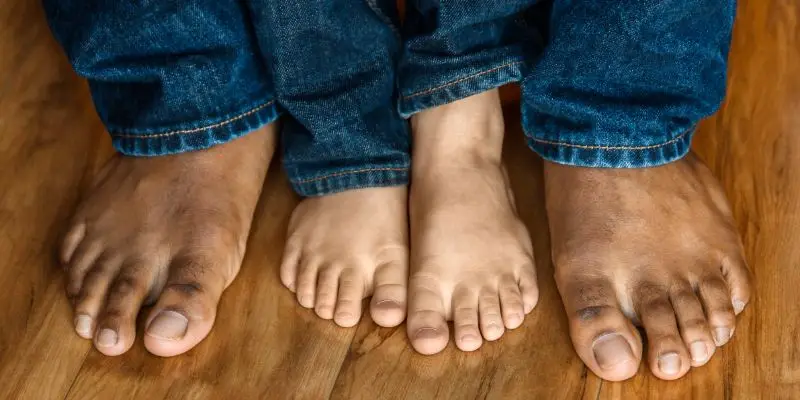
You may have thought, "Why me?" The causes of hallux valgus are varied, and often cumulative.
Genetics plays a significant role—if your mother or grandmother had this problem, you've probably inherited the predisposition. But it's not a definitive diagnosis, let's be clear.
Then there are factors we can control. The wrong shoes, for example. Those with narrow toes and high heels are our feet's number one enemy. Imagine forcing your toes into too tight a space for hours every day: it's normal for something to give way eventually.
Women are affected more than men—about ten times more—precisely because of this issue with footwear. But that's not all. Hormonal changes, rheumatoid arthritis, and some neuromuscular diseases can contribute.
Sometimes it's simply the shape of the foot that predisposes to the problem. Flat feet, high arches, and long toes are all conditions that can contribute to the development of bunions.
How to recognize it: the symptoms you shouldn't ignore
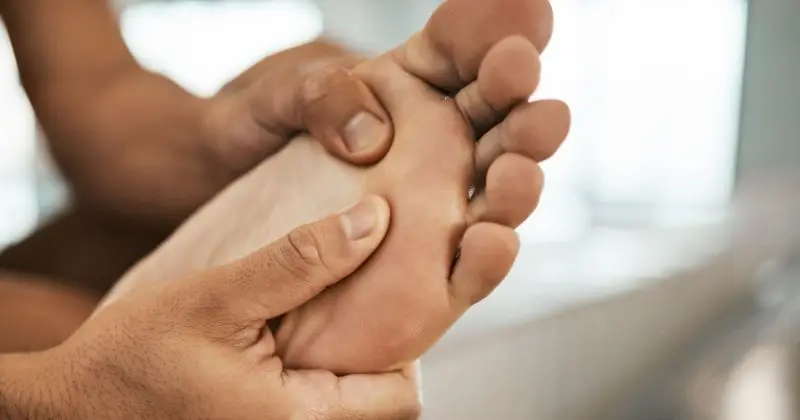
Pain is the main symptom. But not always. I have patients with significant deformities who experience no particular discomfort, and others with mild deformities who experience a lot of pain.
The typical pain of bunions is localized to the "bunion," the bony protrusion on the side of the foot. It intensifies when wearing closed shoes, walking for long periods, or in cold and wet conditions.
Many patients tell me about this burning pain, especially in the evening. "It's like having a pebble in the same spot all the time," a patient told me a few days ago.
Over time, other problems may appear: calluses and corns, inflammation of the bursa (the sort of cushion that protects the joint), stiffness of the big toe.
In more advanced cases, the big toe may overlap with the second toe, causing problems for the other toes as well.
The diagnosis: what we do in the office

When you come to me with this problem, the first thing I do is watch you walk. It seems trivial, but the way you place your foot tells me a lot.
Then I examine the foot. I check the mobility of the big toe, assess the extent of the deformity, and check for signs of inflammation. I often ask you to bring your usual shoes—they help me better understand the situation.
X-rays are essential. They allow us to precisely measure the angles of deformity and, if necessary, plan the most appropriate surgical treatment.
It's not just a question of "how crooked it is." I need to understand which joint is involved, if there are signs of arthritis, and whether the deformity is flexible or rigid.
Healing from bunions: conservative options
Now let's get to the point. Can you cure a bunion without surgery? The honest answer is: it depends on what you mean by "cure."
If we're talking about completely eliminating the deformity, then no. Once the bone has shifted, it rarely returns to its original position on its own. But if we're talking about controlling symptoms, improving function, slowing progression... then yes, we have several options.
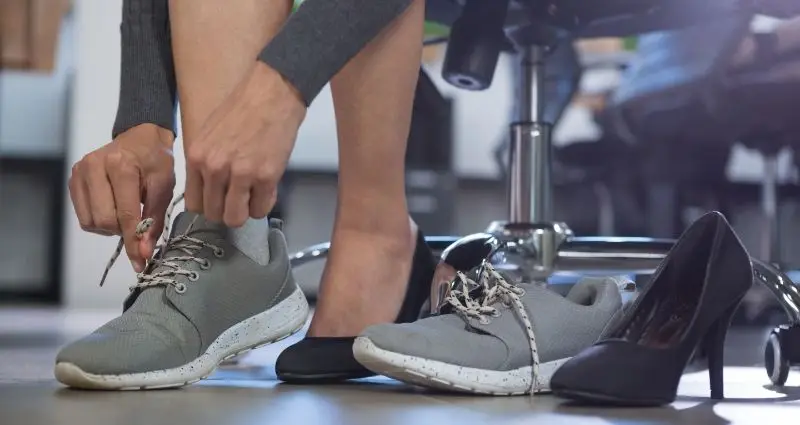
Appropriate footwear is the foundation of everything. Wide toe, moderate heel, soft materials. I know, it's not always easy to balance comfort and aesthetics, but today there are many valid options.
Custom insoles can make a difference. Not the ones you buy at the pharmacy, I mean the ones custom-made after a thorough postural assessment. They help redistribute weight, support the arch, and reduce pressure on the inflamed area.
As for medications, we mainly use local anti-inflammatories during times of greatest pain. But they aren't a long-term solution.
Specific exercises to maintain big toe mobility and strengthen foot muscles are crucial. I always teach them to you during your appointment—just a few minutes a day are enough.
Surgery: when is it necessary?
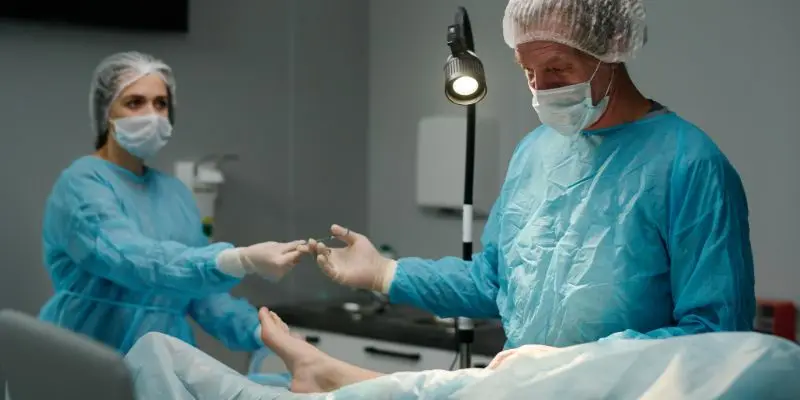
When conservative treatments are no longer enough, when pain seriously compromises the quality of life, then surgery must be considered.
I won't deny that many patients come to me terrified by the idea of surgery. "Doctor, I heard you can't walk properly afterward," "A friend told me everything went back to normal"... There are many urban legends about bunion surgery.
The reality is that today we have much less invasive techniques than in the past. Percutaneous techniques, for example, allow us to correct the deformity through small punctures in the skin, without opening the joint. Less pain, faster recovery, and minimal scarring.
Obviously, every case is different. Some patients require more complex procedures, others may benefit from minimally invasive procedures. It depends on the extent of the deformity, age, occupation, and expectations.
Recovery time? Generally, after two to four weeks, you can resume normal walking, although patience is required for full recovery. Each foot takes its own time.
SmartHallux: Where we can help you

Here at SmartHallux, we specialize in foot and ankle surgery. Dr. Luigi Manzi, who has extensive experience in this field, provides each patient with a personalized treatment plan using the most modern techniques.
Our approach? First, a comprehensive assessment. We don't just look at the bunion, but at the entire foot, posture, and lifestyle. Only then can we offer you the most appropriate treatment for your specific case.
If surgery is necessary, we use the most advanced techniques, from percutaneous procedures to state-of-the-art prostheses. But we always pay close attention to post-operative recovery, which is as important to us as the surgery itself.
The SmartHallux team treats conditions such as hallux valgus , Morton's neuroma , and other deformities that cause foot pain. Providing comprehensive support throughout the treatment process, SmartHallux can be a winning choice for effective treatment tailored to your needs. Book your specialist consultation with the SmartHallux team now (opens in a new tab).
Questions you often ask me
Is surgery the only option for treating bunions?
No, absolutely not. We consider surgery when conservative treatments are no longer effective or when the deformity is very severe. We always first try appropriate shoes, insoles, physiotherapy, and specific exercises.
How long does it take to heal after surgery?
Most of my patients are able to walk without crutches within 2-4 weeks of surgery. However, complete recovery can take several months. It depends on the type of surgery and the individual's healing ability.
What are the risks of the operation?
Like any surgery, there are risks: infection, persistent pain, temporary numbness. There's also a small chance that the correction won't be perfect or that the condition could recur. But with modern techniques, serious complications are rare.
Will it go back to how it was before?
This is the most common fear. With current techniques and meticulously following the post-operative protocol, recurrences are very rare. The important thing is to also correct the factors that led to the initial problem.