
Ankle Infection: When to Really Worry
An ankle infection can affect the skin, the joint or the bone, and is often mistaken for a simple bump or sprain. The warning signs and when to see a doctor.
By Dr. Luigi ManziUpdated on
Have you ever woken up with a swollen and painful ankle? Perhaps after a particularly busy day, or worse, after a nasty fall that seemed harmless?
Ankle infections are more common than you think. And, I must admit, they're often overlooked. The other day, a patient came to me who'd been dealing with this problem for weeks, convinced it was "just a bump."
That's why I decided to write this article for you. Because recognizing the right signs can make the difference between a quick recovery and serious complications.
What is an ankle infection?
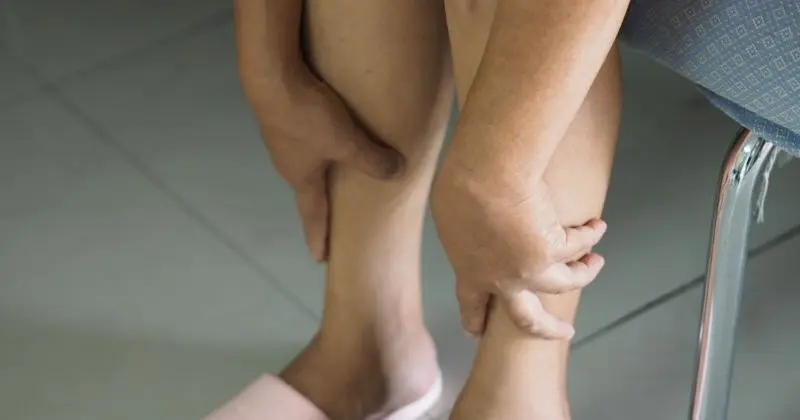
Let's be clear: when we say "ankle infection," we're not talking about just one thing. It could be an infection of the soft tissues around the joint. Or, in more serious cases, infectious arthritis that directly affects the bone and joint.
Think of the ankle as a particularly exposed area. It's constantly in motion, often in contact with shoes that can create friction, and when we hurt it there, we often continue walking as if nothing had happened. It hurts, terribly.
An infection can arise from a seemingly trivial wound. A scratch, a small cut, even just a poorly burst blister. Bacteria enter, find a favorable environment, and... that's it.
The most common causes I see in my office
Neglected wounds are the primary culprit. That little cut that "just heals on its own" and then gets infected. I've seen infections start from the most incredible things: an uncared-for ingrown toenail, an over-scratched insect bite, even microtrauma from wearing the wrong shoes.
Surgical procedures are another possible source. Although today's procedures are extremely safe, zero risk never exists. This is why I always emphasize the importance of post-operative dressings.
And then there's trauma. A poorly treated sprain can become a gateway for bacteria, especially if there's been a skin injury you may not have even noticed.
Diabetics are at greater risk. Their immune systems are often compromised, and circulation to their extremities isn't always optimal. For them, even a small problem can quickly become serious.
How do you recognize an infection?

The pain is different from that of a normal bruise. It's more intense, throbbing, and gets worse rather than better over the days. My patients often describe it as "a pain that never leaves you alone."
The swelling increases progressively. And be careful: this isn't the normal swelling of a sprain that improves with ice and rest. This swelling worsens, extends, and becomes hard to the touch.
Redness is a warning sign. The skin becomes warm, tight, and sometimes shiny. When I see an ankle like this, I already know it's an infection.
Fever may be present, but not always. The infection often remains localized for days before causing systemic symptoms. Don't wait for a fever to become concerned.
How do I diagnose?

First, I look. I carefully examine the area, compare it with the other ankle, and assess the swelling and redness. Then I gently palpate it to assess the localized heat and tissue consistency.
Blood tests tell me a lot. High white blood cells, elevated CRP, and elevated ESR—these are all signs that the body is fighting an infection.
In some cases, an ultrasound is needed to assess whether there is a collection of infected fluid. In more complex cases, I request an MRI to rule out bone involvement.
If I suspect infectious arthritis, it may be necessary to take fluid from the joint. It sounds scary, but it's a crucial test to identify the causative bacteria.
How to treat an ankle infection

Antibiotics are the cornerstone of treatment. But be careful: not all antibiotics are suitable for all infections. You need the right one, at the right dosage, for the right length of time. Self-medicating is extremely dangerous.
In mild cases, we can try oral therapy. Ciprofloxacin, amoxicillin-clavulanate, cephalexin: it depends on the type of infection and your medical history.
When the infection is more serious, hospitalization for intravenous therapy is necessary. I know it's scary, but sometimes it's the only way to avoid serious complications.
Surgery becomes necessary when there is a collection of pus that doesn't respond to antibiotics. This is called surgical drainage, and involves removing all infected material, thoroughly washing the area, and, in extreme cases, removing damaged tissue.
Recovery: What You Need to Know

Recovery times vary greatly. A superficial infection may resolve in a week of antibiotic therapy. Infectious arthritis may require months of treatment.
Physical therapy is almost always necessary. Infection, immobilization, pain: all contribute to joint loss of strength and mobility. A good physical therapist will help you gradually recover.
Pain during recovery is normal, but it should gradually subside. If you don't see any improvement after a few days of antibiotics, call me immediately.
How to prevent infections

Always clean even the smallest wounds thoroughly. Water, soap, and disinfectant. It seems trivial, but it makes a difference.
The right shoes are essential. Avoid those that rub, create blisters, or prevent your feet from breathing. Your feet will thank you.
If you have diabetes, check your feet daily. Any small injury deserves immediate attention.
SmartHallux: Where we can help you

Dr. Luigi Manzi, who has gained specific experience in this field, follows each patient with a personalized path using the most modern techniques.
The SmartHallux team treats conditions such as hallux valgus , Morton's neuroma , and other deformities that cause foot pain. Providing comprehensive support throughout the treatment process, SmartHallux can be a winning choice for effective treatment tailored to your needs. Book your specialist consultation with the SmartHallux team now (opens in a new tab).
For Achilles tendon problems, we also offer innovative stem cell treatments, a cutting-edge solution for the most complex cases.
FAQ
How do I know if it's really an infection or just a bump?
The main difference is in the progression of symptoms. A bruise improves day by day, an infection worsens or remains stable. And then there's the heat: infected skin is always warmer than normal.
Can I wait a few days before coming for a check-up?
With infections, it's always best to be early. One extra day can mean weeks of additional treatment. If you have any concerns, a phone call is free.
Are the antibiotics I have at home okay?
Absolutely not. Every infection has its own specific antibiotic. Using the wrong one means wasting precious time and risking bacteria becoming resistant.