
Symptoms of arthropathy: when the joints start talking
If you wake up with stiff joints, pain when moving, or swelling in your feet, ankles, or toes, you may have early symptoms of joint disease.
By Dr. Luigi ManziUpdated on
If you wake up with stiff joints, feel pain when moving, or notice persistent swelling in your feet, ankles, or fingers, you may be experiencing the early symptoms of joint disease. But what exactly is it, and how can you recognize it?
What is arthropathy?

The term "arthropathy" is a generic term for any condition affecting the joints . It's not a diagnosis in itself, but a starting point: from there, several paths open, ranging from osteoarthritis to rheumatoid arthritis, including autoimmune diseases and other inflammatory conditions.
The causes: it's not always just a question of age
Arthropathy can arise for many different reasons. Some forms are linked to autoimmune diseases , such as rheumatoid arthritis; others have a mechanical or degenerative origin , such as osteoarthritis . Infections , trauma, or genetic predisposition also play an important role.
And let's not forget factors such as being overweight , a sedentary lifestyle , or even the work environment , which can influence the onset of symptoms.
Symptoms of joint pain: Learning to listen to your body
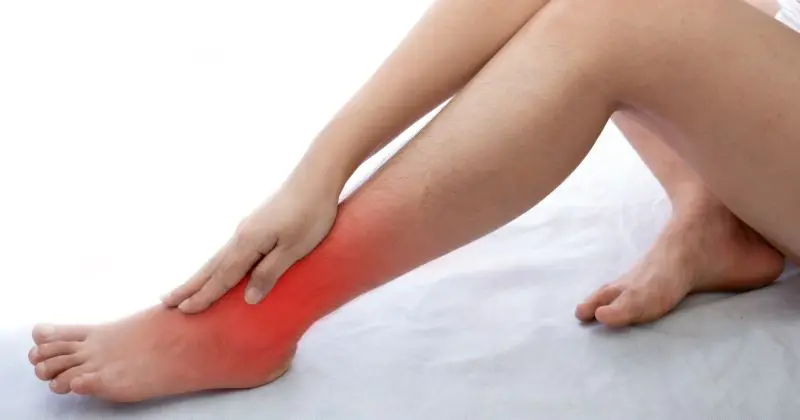
Each arthropathy has its own characteristics, but there are some common signs that should never be ignored:
- Joint pain, often more intense in the morning
- Rigidity, which limits movement
- Swelling and sometimes redness
- Deformity in the more advanced stages
- Functional difficulty, such as difficulty climbing stairs or holding objects in hand
Diagnosis: The first step to regaining control

Recognizing joint disease isn't always straightforward. It's essential to consult a specialist who, after a detailed history and physical examination, may order specific tests: blood tests , X-rays , MRIs , or, in select cases, arthroscopy.
Treatment: customization is the key word

Treatment depends on the type of arthropathy symptoms and their severity. Generally, it begins with:
- Approaches non-pharmacological: physiotherapy, insoles, lifestyle changes.
- drugs to reduce inflammation and pain.
- In more advanced cases, thesurgery to correct deformities or replace a damaged joint.
Post-treatment rehabilitation is an integral part of the process: regaining movement is as essential as eliminating pain.
Complications not to be underestimated
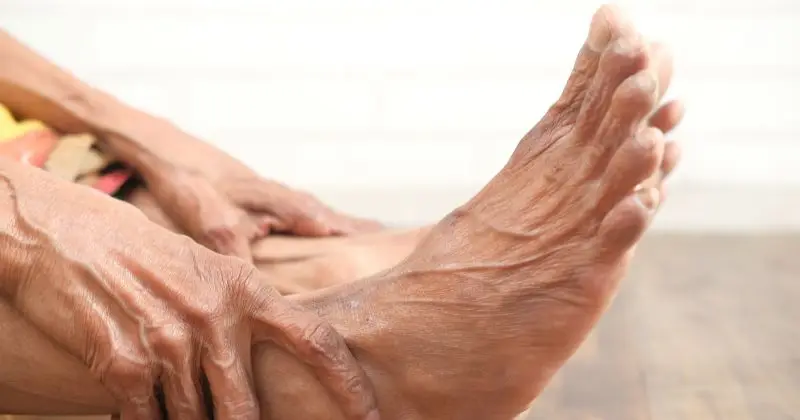
If left untreated, joint disease can lead to chronic pain , permanent functional limitation , deformities , and even an increased risk of fractures, especially in older people.
Prevention is possible

There is no absolute prevention, but a healthy lifestyle can do a lot: a balanced diet , regular physical activity , normal body weight and attention to the body's signals are the best ally against joint diseases.
SmartHallux Emergency Room: Don't wait, act now

SmartHallux is a center of excellence for the diagnosis and treatment of foot and ankle joint disorders. Dr. Luigi Manzi , a specialist in orthopedic surgery, offers personalized solutions: from conservative therapy to minimally invasive procedures, always with the goal of improving functionality and reducing pain.
Do you have persistent joint symptoms and want a specialist evaluation? The SmartHallux team treats conditions such as hallux valgus , Morton's neuroma , and other deformities that cause foot pain. Providing comprehensive support throughout the treatment process, including post-operative recovery, SmartHallux can be a winning choice for effective treatment tailored to your needs. Book your specialist consultation with the SmartHallux team now (opens in a new tab).
FAQ
What are the most common symptoms of arthropathy?
Pain, stiffness, swelling, and difficulty moving.
How is arthropathy treated?
With medications, physical therapy, braces, or, if necessary, surgery. The treatment depends on the cause and severity.
Is it a chronic disease?
Some forms are, but with proper treatment it is possible to keep the symptoms under control and live an active life.