
Osteoarthritis: Recognizing the Early Symptoms and Acting Early
A dull ache that comes on when climbing stairs. A feeling of stiffness in the morning. Small signs, the first signs of early-stage arthritis.
By Dr. Luigi ManziUpdated on
A dull ache that comes on when climbing stairs. A feeling of stiffness in the morning that goes away after a few steps. These are small, often overlooked signs that could be the first signs of early-stage arthritis.
Knowing what to expect in the early stages of this condition can make all the difference. Osteoarthritis is a degenerative disease that affects the joints, but it never begins suddenly. It creeps up slowly and often blends in with the normal ailments of aging or an active lifestyle. Early recognition allows for effective intervention and limited long-term consequences.
What is osteoarthritis?
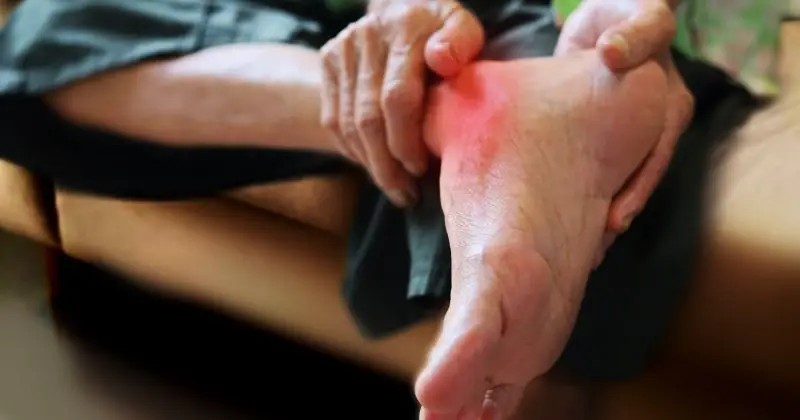
Osteoarthritis (or arthritis) is a chronic disease that involves the degeneration of articular cartilage. This cartilage, which normally allows for smooth, painless movement between bones, wears away over time. The result? Friction, inflammation, pain, and, in more advanced cases, joint deformities.
It can affect any joint, but is particularly common in the hands, knees, hips, and feet. When it affects the feet, the symptoms can become particularly debilitating for daily life.
Early symptoms of osteoarthritis: when to listen to your body

At first, osteoarthritis may present with mild, intermittent symptoms. For this reason, it's easy to underestimate them. The most common signs include:
- Joint pain: often localized and dull, worsens with activity and improves with rest.
- Rigidity: Typically in the morning or after sitting for a long time. The sensation is that of "needing to loosen" the joint.
- Swelling: may appear around the affected area, especially after exertion.
- Loss of flexibility: movements become more limited, and some daily tasks begin to become difficult.
- Muscle cramps or weakness, especially in the lower limbs.
Over time, visible arthritic changes may appear , such as joint deformities or swelling. However, in the early stages, the condition remains mostly functional and reversible with proper treatment.
Diagnosis: How to identify early osteoarthritis

A timely diagnosis is essential to slow the progression of the disease. It all starts with a thorough clinical assessment: the specialist observes the joint's movement, checks for pain, stiffness, or swelling, and investigates the patient's history.
In support of the visit, the following can be performed:
- X-rays, to detect joint space narrowing or signs of wear;
- Magnetic resonance, in the most complex cases;
- Blood tests, to exclude other inflammatory pathologies.
Treatment: Stop osteoarthritis at the first signs

Intervening in the early stages of osteoarthritis is often very effective. The most recommended strategies include:
- regular exercise, to keep joints mobile and muscles strong;
- weight loss, if necessary, to reduce the load on the joints;
- orthosis or braces, to better support the affected joints;
- anti-inflammatory drugs, to be evaluated with a specialist in case of persistent pain;
- physical therapies, such as tecar therapy, ultrasound, laser.
Surgery is only considered in cases where the pain becomes chronic or the arthritis is already advanced.
How to prevent or slow the progression

Osteoarthritis can't be "stopped," but it can be slowed down . And a lot depends on us. Some good daily practices include:
- avoid excessive effort and prolonged repetitive movements;
- wear appropriate footwear, especially if you suffer from osteoarthritis of the feet;
- practice gentle activities such as swimming or walking;
- spend time stretching and strengthening muscles;
- avoid prolonged sedentary lifestyle.
When to see a specialist?

If you're noticing symptoms like recurring joint pain, stiffness, or difficulty with daily movement, it's time to take action. Dr. Luigi Manzi , an orthopedic surgeon specializing in osteoarthritis treatment, can help you determine whether you actually have osteoarthritis and which treatment plan is best for you.
The SmartHallux team treats conditions such as hallux valgus , Morton's neuroma , and other deformities that cause foot pain. Providing comprehensive support throughout the treatment process, including post-operative recovery, SmartHallux can be a winning choice for effective treatment tailored to your needs. Book (opens in a new tab) your specialist consultation with the SmartHallux team now.
FAQ
What are the first signs of osteoarthritis?
Pain, morning stiffness, swelling, and progressive difficulty moving. If these symptoms last more than a few weeks, it's best to consult a doctor.
What to do if I suspect I have osteoarthritis?
The first step is a specialist visit. An early diagnosis allows for targeted treatment and delays the progression of the disease.
Is osteoarthritis curable?
There is no definitive cure, but there are effective therapies to control symptoms and slow its progression.