
Talonavicular osteoarthritis: causes, symptoms, diagnosis, and treatment
Do you have persistent pain on the inside of your ankle? You may have talonavicular osteoarthritis, a lesser-known but significant form of foot arthritis.
By Dr. Luigi ManziUpdated on
Do you have persistent pain on the inside of your ankle? You may have talonavicular osteoarthritis , a lesser-known but significant form of foot arthritis that affects the joint between two key bones: the talus and the scaphoid . This condition can seriously affect mobility and quality of life, especially if left untreated in the early stages.
In this article, we'll discover what it is, how to recognize it, and the most effective treatments, including minimally invasive surgical options.
What is talonavicular osteoarthritis?

This is a form of tarsal arthritis that affects one of the central joints of the foot, responsible for transmitting loads from the ankle to the forefoot. In talonavicular arthritis , the cartilage progressively wears away, causing friction between the bone surfaces and, consequently, pain and stiffness.
Main causes
Talocalcaneal osteoarthritis can develop for several reasons:
- Repetitive trauma, like poorly treated sprains
- High-impact sports activities (e.g. running, soccer)
- Flatfoot, which alters the distribution of loads
- Excess weight, which accelerates joint deterioration
- Advanced age or genetic predisposition
In some cases, it is secondary to other forms of tibiotalar osteoarthritis or calcaneal osteoarthritis.
What symptoms does it cause?

The most common symptoms include:
- Pain on the inside of the ankle or foot, accentuated by the movement
- Rigidity, especially in the morning or after long periods of inactivity
- Local swelling
- Joint crepitus
- Difficulty walking, standing for long periods of time or playing sports
How is it diagnosed?

Early diagnosis allows for targeted treatment and prevents permanent joint damage. The diagnostic process includes:
- Objective examination: clinical evaluation of pain and movement
- Radiography: to observe the joint space and the possible presence of osteophytes
- Magnetic resonance: useful for analyzing soft tissues and the condition of cartilage
Available treatments
Conservative therapies
In initial cases, it is possible to intervene with:
- Rest and ice
- Anti-inflammatory drugs
- Specific physiotherapy to improve mobility
- Intra-articular injections of cortisone or hyaluronic acid
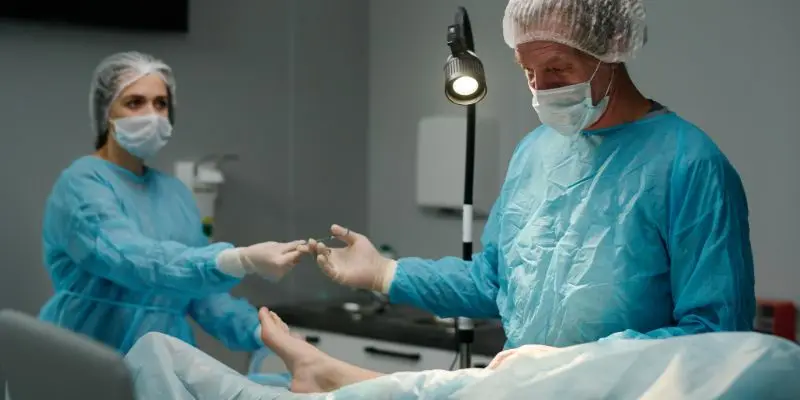
Surgical treatment
When pain becomes chronic and limiting, surgery is indicated. Options include:
- Arthroscopy: for joint cleansing
- Arthrodesis (joint fusion): useful in advanced cases
- Joint prosthesis, when you want to maintain mobility
The SmartHallux center , directed by Dr. Luigi Manzi, uses minimally invasive techniques that reduce post-operative pain and speed up recovery.
When to see a doctor?

Don't wait until the pain becomes unbearable. See a specialist if:
- The pain has persisted for weeks
- You notice stiffness and swelling after physical activity
- You have difficulty walking or notice foot deformities
Why choose SmartHallux

SmartHallux is a center of excellence in foot and ankle surgery. Dr. Luigi Manzi , a specialist in orthopedics and minimally invasive surgery, offers:
- Accurate diagnoses
- Personalized therapeutic paths
- Cutting-edge technologies
- Rapid recovery and minimal post-operative pain
The SmartHallux team treats conditions such as hallux valgus , Morton's neuroma , and other deformities that cause foot pain. Providing comprehensive support throughout the treatment process, SmartHallux can be a winning choice for effective treatment tailored to your needs. Book your specialist consultation with the SmartHallux team now (opens in a new tab).
FAQ
What is talonavicular osteoarthritis?
A joint degeneration between the talus and navicular bones, two of the foot's bones. It causes pain and difficulty moving.
How is it treated?
Conservative treatments begin, but in severe cases, minimally invasive surgery or arthrodesis may be necessary.
Is it a common pathology?
It is less common than other forms of foot osteoarthritis, but can have a significant impact on quality of life.