
The Big Toe and Its Diseases: What You Need to Know
The big toe and its diseases: bunions, hallux rigidus, gout and other conditions. How to recognize them and when big toe pain needs a specialist.
By Dr. Luigi ManziUpdated on
You know what? The big toe is probably the toe that causes the most problems. And that's no coincidence.
In my office, I see patients every day with big toe pain, often neglected for months. "Doctor, I thought it would go away on its own," they tell me. But no—when the big toe and its associated conditions hurt, there's usually something seriously wrong. And ignoring it can only make things worse.
You've probably woken up in the morning and felt a sharp pain when you put your foot down. Or you've noticed that your big toe is "curving" toward the other toes. These are signs your body is sending you. And they're worth listening to.
What is the Big Toe and Why Does It Get Ill So Often?
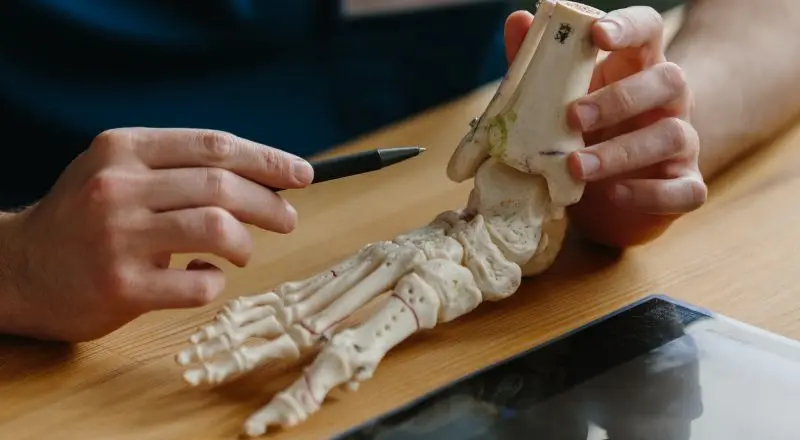
The big toe isn't just any toe. It's the absolute protagonist of our gait. Imagine that when you walk, all your body weight passes through your big toe in the final phase of each step. A huge responsibility, right?
Anatomically, the big toe is made up of two bones (the phalanges) connected to the first metatarsal through the metatarsophalangeal joint. This joint is crucial for the flexion and extension of the toe. It contains tendons, ligaments, a joint capsule, and even a synovial bursa that facilitates movement.
But precisely because of this complexity and the load it must bear, the big toe is prone to various pathologies. The most common? Hallux valgus, undoubtedly—what we commonly call "bunion." Then there's hallux rigidus, where the joint loses mobility. Gout, which can strike right here with excruciating pain. And then there's arthritis, bursitis, and tendon problems.
Each pathology has its own specific causes, but there is often a common denominator: inadequate footwear, repeated trauma, genetic predisposition, biomechanical alterations of the foot.
Symptoms: When Your Big Toe Is Sending You an SOS
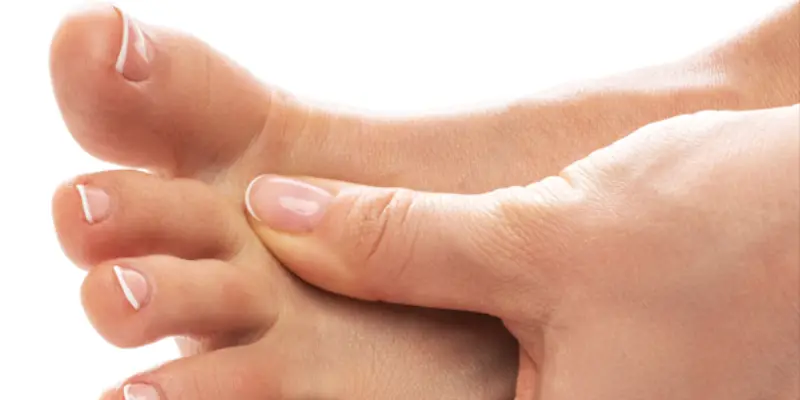
Pain. This is always the first warning sign. But not all pain is the same, and this is important to understand.
With hallux valgus, the pain is typically on the inside of the foot, where the bony protrusion we call the "bunion" forms. Patients tell me they can no longer wear certain shoes, and they feel a burning sensation after a day on their feet. And often, there's also an aesthetic issue that concerns them—the big toe that deviates toward the other toes isn't attractive.
Hallux rigidus, on the other hand, presents differently. Here, the pain is above the joint, worsening when you try to bend the toe upward. "Doctor, I can't wear heels anymore," sufferers often tell me. And they're right—bending the big toe upward becomes virtually impossible.
Gout? That's unmistakable. Sudden pain, often at night, so intense that even the weight of a sheet becomes unbearable. The big toe swells, becomes red, and feels warm to the touch.
All these symptoms have a significant impact on quality of life. Walking becomes difficult, the choice of shoes becomes limited, and sports activities often have to be abandoned. And this, frankly, is unacceptable when effective solutions exist.
How We Arrive at the Diagnosis

When a patient comes to my office with a big toe problem, the first thing I do is look and touch. The physical examination tells a lot.
I watch how they walk, how they land their foot, and the shape of their big toe and other toes. Then I palpate the area, check joint mobility, and check for specific tender spots. Sometimes the diagnosis is already clear at this point.
But that's not always enough. X-rays are essential for seeing what's happening to the bones, measuring deviation angles, and assessing joint wear. In some cases, ultrasound is necessary, especially if I suspect soft tissue problems—tendons, bursae, ligaments. And when the situation is more complex, MRI provides detailed information.
The key is to make an early diagnosis. The sooner we intervene, the better the results. And we can often prevent the problem from worsening with less invasive treatments.
Treatments: From Conservative Solutions to Surgery
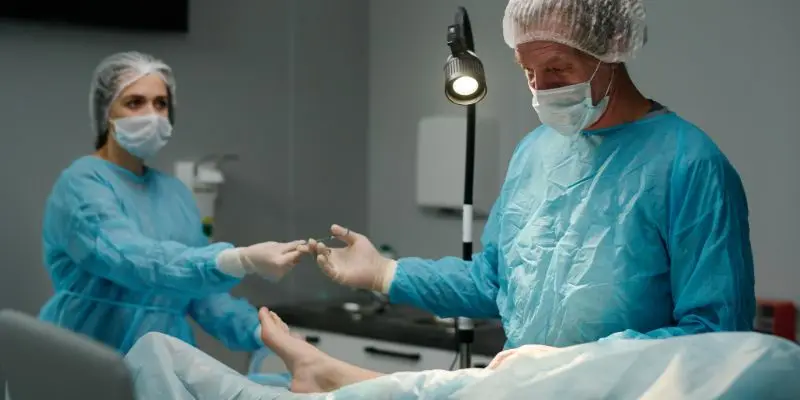
Surgery isn't always necessary. In fact, I always look for conservative solutions first.
For early stages of bunions, custom-made insoles can work wonders. They correct the position of the foot, reduce the load on the ball of the foot, and slow the progression of the deformity. Combined with specific exercises and appropriate footwear, they often provide significant relief.
Hallux rigidus responds well to hyaluronic acid injections—a kind of "lubricant" for the joint. And physical therapy helps maintain residual mobility.
But when the pain is severe and conservative treatments are no longer effective, surgery becomes the best option. And here the techniques are highly advanced.
Today, we use minimally invasive percutaneous techniques for hallux valgus. Very small incisions, precise correction of bone deformities, and a much faster recovery compared to traditional techniques. Patients are walking in a special shoe after just a few days.
Hallux rigidus may require various procedures: sometimes it is enough to remove the osteophytes (the bony “growths”), other times an arthrodesis is needed – that is, locking the joint in a functional position.
Recovery? Patients usually return to normal activities within 6-8 weeks. But every case is different, which is why personalized follow-up is essential.
Prevention: Better Safe Than Sorry
I know, it's a trite saying. But with the big toe, it's especially true.
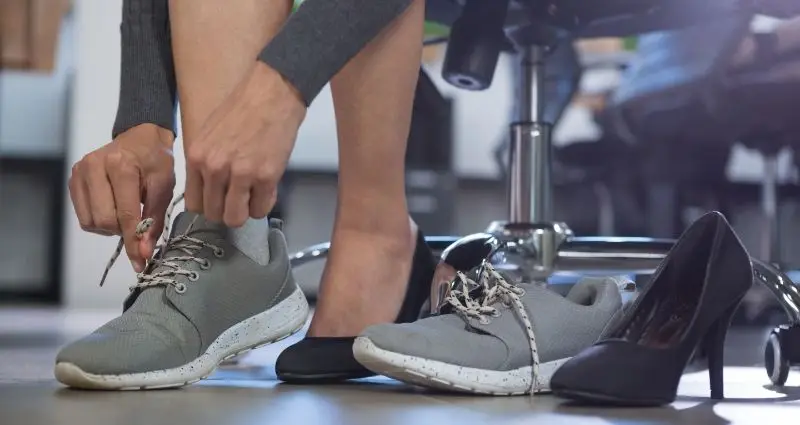
Shoes make all the difference. Avoid high heels for everyday wear, choose shoes with a wide toe, and avoid constricting your feet with shoes that are too tight. Your big toes will thank you.
Maintain a healthy body weight—every extra pound puts additional strain on your feet. And if you play sports, choose shoes specifically designed for that activity.
Foot exercises? They really work. Toe flexion and extension movements, exercises to strengthen the intrinsic foot muscles, and Achilles tendon stretching. Five minutes a day can make a difference.
SmartHallux: Where we can help you

Here at SmartHallux, we specialize in foot and ankle surgery. Dr. Luigi Manzi, who has extensive experience in this field, provides each patient with a personalized treatment plan using the most modern techniques.
The SmartHallux team treats conditions such as hallux valgus , Morton's neuroma , and other deformities that cause foot pain. Providing comprehensive support throughout the treatment process, SmartHallux can be a winning choice for effective treatment tailored to your needs. Book your specialist consultation with the SmartHallux team now (opens in a new tab).
Questions you often ask me
Doctor, is bunion surgery very painful?
I'll tell you the truth: patients always expect terrible pain, but instead they're surprised. With the minimally invasive techniques we use today, post-operative pain is truly manageable. Painkillers are given for a few days, and then it gradually subsides. A far cry from what it was years ago.
How long does it take to fully heal?
Most patients resume normal activities within 6-8 weeks. Walking without limitations occurs after 2-3 weeks, and driving occurs after a week if the left foot is injured, a little longer if the right. Sports? It depends on the type, but usually occurs after 2-3 months.
Are there any risks in the operation?
Like any surgery, there are risks. But they're extremely low. Infection, healing problems, reactions to anesthesia—these are minimal risks. The risk that worries me most is recurrence, that is, the bunion returning. This is why it's essential to follow the post-operative instructions carefully and use insoles when necessary.