
Big toe bandaging: when it's really necessary and how to do it right
Bandaging the big toe can help after a sprain, a bunion flare-up or minor surgery. When it is useful, how to apply it correctly and when to see a doctor.
By Dr. Luigi ManziUpdated on
Have you ever woken up with a sore big toe? Or maybe after a particularly busy day, you've noticed that your big toe is swollen and sore. You're not alone.
In my practice, I see a lot of patients with big toe problems. And you know what? Often, a simple bandage can make the difference between a day of pain and a return to normality. But be careful: not all bandages are created equal, and above all, they shouldn't be applied haphazardly.
That's why I decided to write this guide. To explain when you really need a big toe wrap, how to do it correctly, and, most importantly, when it's best to come see me in the office because there's something more serious to consider.
The big toe: more important than you think

The big toe isn't just the big toe. It's a crucial structure for our balance and walking. Think about how, with every step, your entire body weight shifts through this toe to propel you forward.
Anatomically speaking, the big toe is made up of two bones: the proximal phalanx (the one closest to the foot) and the distal phalanx (the one with the nail). In between is a joint that can be the site of various problems. The other day, a patient came to me who thought he had "just" a swollen toe, but instead he had developed a form of arthritis in that very joint.
After all, when your big toe hurts, everything changes: the way you walk, the way you strike your foot, even your posture. That's why it's so important to take care of it.
When the big toe needs help
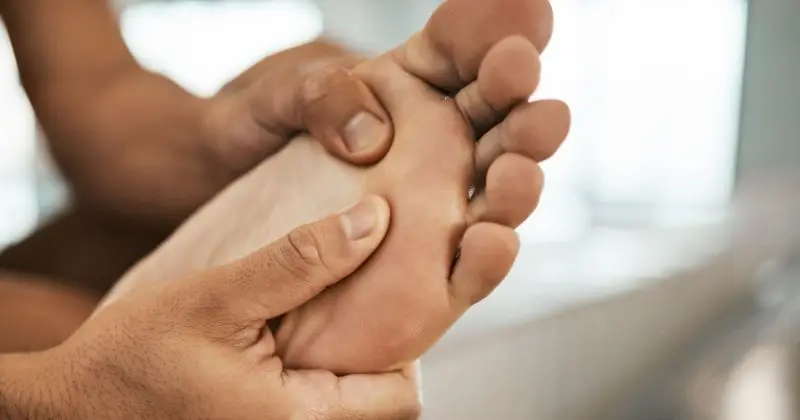
There's no single reason why your big toe might need a bandage. Here are a few I see most often in my daily work:
**Bunion** is certainly the most common problem. It's the outward deviation of the toe that creates that unsightly and painful "bunion." In these cases, a well-made bunion bandage can provide temporary relief, although the permanent solution often lies elsewhere.
Then there's hallux rigidus, a condition where the joint progressively stiffens. Here, bandaging serves primarily to limit painful movements and protect the area. I've had patients who, with a simple bandage, have been able to postpone surgery for months.
**Traumas and bruises** are the order of the day. Have you ever hit yourself on the edge of the bed? Well, in those cases, a big toe wrap can be your best friend for the first few days.
But even after **surgery**, bandaging becomes essential. Not only does it protect the wound, but it helps keep the finger in the correct position while it heals.
The Signs You Can't Ignore

Now, let's see together when your big toe is sending you signals that you shouldn't ignore.
If you notice swelling, redness, and heat—the classic triad of inflammation—there may be something more serious going on. Gout, for example, loves to strike the big toe with sudden and very painful attacks.
Pain that progressively worsens, especially in the morning when you put your foot on the ground, could indicate a joint problem that requires specialist evaluation.
Also pay attention to changes in the shape of your toe or its range of motion. If you suddenly can't bend your big toe as you used to, don't wait for it to "go away."
How to make an effective bandage
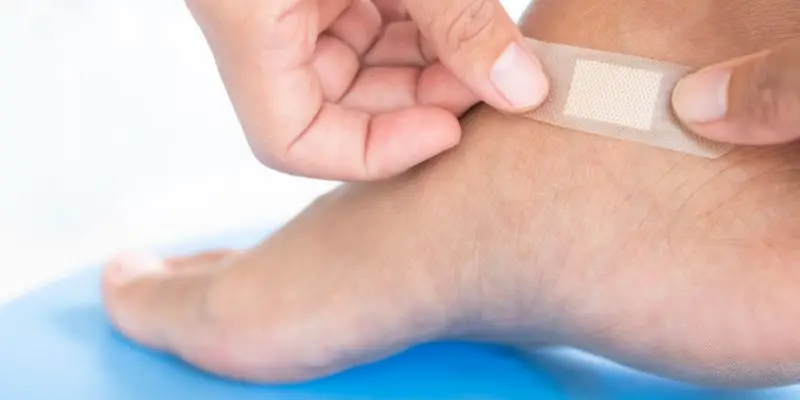
So, let's get down to business. How do you make a bunion bandage that actually works?
First thing: **absolute cleanliness**. Wash your foot thoroughly and dry it completely. It seems trivial, but I've seen so many complications starting from here.
As for the **material**, you have several options. Medical tape is the easiest to use and can be found at any pharmacy. Elastic bandages are more comfortable for extended periods, while rigid braces are useful when you need to completely limit movement.
**Application** is crucial. Always start at the base of the big toe and work your way toward the tip. The tension should be even: tight enough to provide support, but not so tight as to cut off circulation. If the toe feels cold or discolored, you're tightening too much.
A trick I always teach my patients: after applying the bandage, try moving the finger slightly. It should be limited in its movement but not completely blocked, unless that's the therapeutic goal.
When bandaging is not enough

Now, this is the point that's closest to my heart. Bandaging is a useful tool, but it's not a panacea for all ills.
If the pain doesn't improve after 3-4 days of proper bandaging, it's time to investigate further. You may need more specific tests, such as an X-ray or ultrasound.
Some signs require immediate attention: fever associated with pain, skin discharge, or loss of sensation in the finger. In these cases, skip the DIY bandage and seek medical attention.
Pain that radiates to the rest of your foot or prevents you from walking normally also deserves a professional evaluation.
Recovery: What to Realistically Expect
Usually, when I use the bandage as part of a treatment, I see improvements after the first few days. But every case is different.
For a simple injury, a week of well-applied bandaging often resolves the problem. For more complex conditions like bunions, bandaging is only a palliative that can provide temporary relief.
Postoperative recovery times are longer. It depends on the type of surgery, but generally, we're talking weeks, not days.
One important thing I always tell my patients: taping shouldn't become a psychological crutch. If after a reasonable period of time you still need to tape your big toe to feel better, there's something we haven't yet addressed at the root.
Prevention: better than any bandage
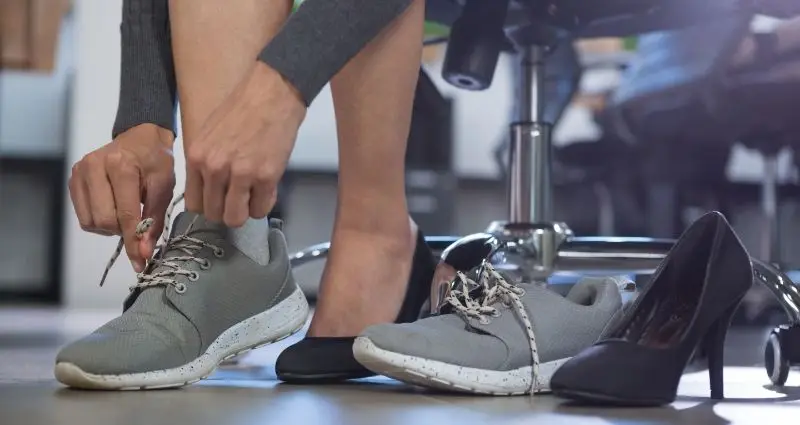
The best bandage is the one you never have to apply. Obvious? Perhaps, but how many of my patients could avoid bunion problems simply by choosing the right shoes?
**Shoes are essential**. High heels every day? Narrow toes that squeeze your toes? This is the perfect recipe for bunions. I'm not saying you should give up heels forever, but use them wisely.
**Physical activity** helps a lot. Foot mobility exercises and specific stretching exercises keep the big toe joint healthy. In my studio, I always teach some simple exercises that can be done at home.
**Watch for early signs**. That slight discomfort you feel every now and then? Don't ignore it. Early assessment can prevent future problems.
SmartHallux: Where we can help you

Here at SmartHallux, we specialize in foot and ankle surgery. Dr. Luigi Manzi, who has extensive experience in this field, provides each patient with a personalized treatment plan using the most modern techniques.
We're not just "surgeons who operate." We firmly believe in prevention and conservative treatment whenever possible. But when surgery is necessary, we have the experience to do it in the least invasive way possible.
The SmartHallux team treats conditions such as hallux valgus , Morton's neuroma , and other deformities that cause foot pain. Providing comprehensive support throughout the treatment process, SmartHallux can be a winning choice for effective treatment tailored to your needs. Book your specialist consultation with the SmartHallux team now (opens in a new tab).
Questions you often ask me
Doctor, why does my big toe swell?
There could be many causes: arthritis, gout, trauma, infections. Or even simply wearing shoes that are too tight for too long. If the swelling is accompanied by heat and redness, it's best not to wait and get checked out.
What can I do if my big toe suddenly swells?
Apply ice for 15-20 minutes several times a day, rest, and if you have severe pain, an anti-inflammatory like ibuprofen can help. But if it doesn't improve within 2-3 days, don't wait any longer.
How long can the swelling last?
It depends on the cause. A simple trauma resolves within a few days. A gout attack can last a week. However, if the swelling persists beyond 10-15 days, further investigation is warranted.
Can bandaging replace surgery for hallux valgus?
No, I'm sorry. Bandaging may provide temporary relief, but it doesn't correct the deformity. When bunions are symptomatic and limit quality of life, surgery is often the only permanent solution.