
Bilateral Cavus Valgus Foot: When Surgery Is Needed and What to Expect
Bilateral cavus valgus foot combines a high arch with a heel that tilts outward, in both feet. The symptoms, when surgery is considered and what to expect.
By Dr. Luigi ManziUpdated on
Bilateral pes cavus valgus. A bit of a scary name, right?
In fact, when a patient comes to my office with this problem, the first thing I do is explain that, yes, it's a complex condition, but it can be treated effectively. "Bilateral" simply means it affects both feet—and this, unfortunately, is quite common.
Let's see what we're talking about. A high arch is characterized by a particularly pronounced foot arch, while valgus deformity indicates a heel that tends to tilt outward. When these two conditions are combined in both feet, we have the complete picture.
What does it mean to have a hollow foot?
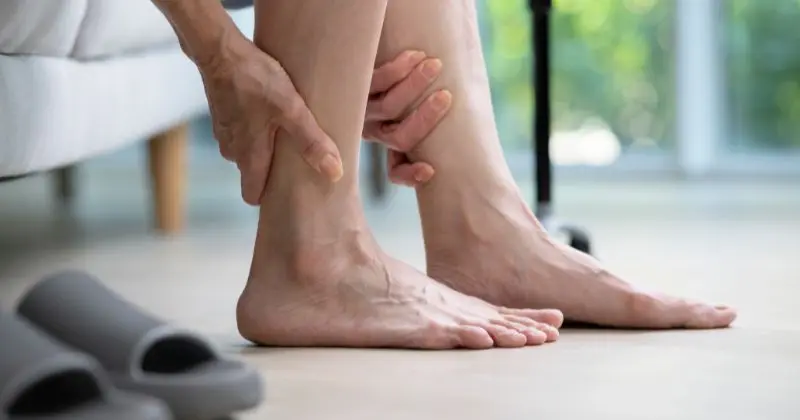
Imagine your foot as a bridge. Under normal conditions, this bridge has a balanced curvature that distributes weight evenly. In pes cavus valgus, however, the arch is too pronounced—as if someone had "pulled up" the center of the bridge.
The result? Your weight is concentrated primarily on your heel and forefoot, leaving the midfoot practically "suspended." It's like walking in heels all the time, even when barefoot.
After all, our feet aren't designed to work this way. Nature designed the arch to be a natural spring, and when this geometry is altered, the entire system suffers.
Why does this happen?
The causes of bilateral pes cavus valgus are various, and often combine with each other.
Sometimes it's a neurological issue. Conditions like Charcot-Marie-Tooth syndrome (which affects the peripheral nerves) can alter the foot's muscular balance, progressively creating this deformity. I've seen patients who initially had only mild discomfort and then, over the years, developed an increasingly pronounced plantar hollow.
Other times, it's idiopathic—a medical term meaning "we don't know exactly why, but it happens." In these cases, there's often a familial component: "Doctor, my mother had feet like that, too" is a phrase I hear often.
Cerebral palsy can also be a cause, as can trauma that has compromised muscle balance. In short, anything that alters the delicate interplay of forces that keeps the foot in its correct shape.
The symptoms that bring patients to me
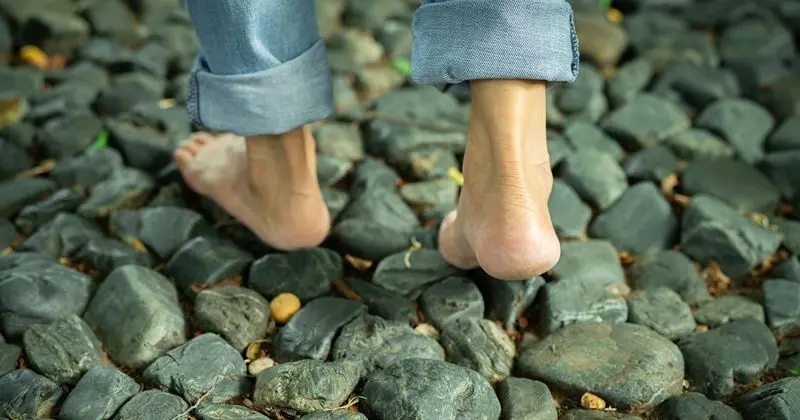
Pain is almost always the first warning sign. But not just any pain.
Patients often describe a sensation of "walking on rocks," even when they're at home on smooth floors. This happens because their weight is concentrated in specific areas instead of being evenly distributed.
Back pain is another common symptom. Pes cavus valgus disrupts the entire kinetic chain: ankle, knee, hip, and back. It's all connected, and when the base (the foot) isn't functioning properly, everything else has to compensate.
Many patients also complain about difficulty finding comfortable shoes. "Doctor, I can never find shoes that don't hurt after an hour" is a typical remark. And they're right: the shoes are designed for "normal" feet, not for feet with such a pronounced arch.
Tired legs set in early. Socks that "roll up" under the soles. Sometimes even nighttime calf cramps.
How do I diagnose?

When a patient walks into my office, I can tell a lot from their gait. A cavus valgus foot has a distinctive "signature" in its gait.
First thing: the clinical examination. I look at the foot from all sides, check its flexibility, and test the muscles. The simplest test? I have the patient stand on a sheet of paper and examine the footprint: in cases of high arches, the central part is significantly reduced or even absent.
X-rays are essential. Not only to see the deformity, but above all to understand whether it is flexible or rigid. This distinction is crucial for deciding on treatment. Weight-bearing X-rays, of course—an unloaded foot doesn't tell us the whole story.
Sometimes I ask for baropodometry, a test that measures exactly how your weight is distributed while walking. It's like having a very precise "pain map."
Therapeutic options: let's start with conservative treatment
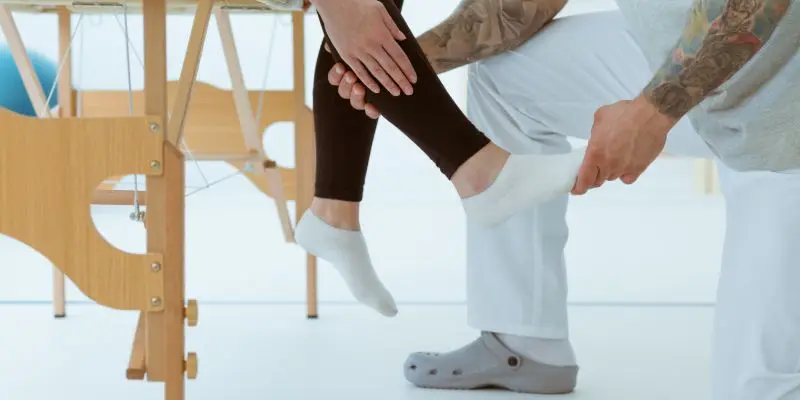
Not all bilateral cavus valgus feet require surgery. In fact, we often begin with nonsurgical treatments that can yield surprising results.
Custom-made orthotics are often the first line of treatment. I'm not talking about the ones you find in the pharmacy, but orthotics designed specifically for your deformity. The goal is to redistribute weight and relieve excessive pressure points.
Physiotherapy helps tremendously, especially in the early stages. Exercises to stretch shortened muscles (usually the Achilles tendon and plantar fascia) and strengthen weak ones. It's a long process, but often effective.
Anti-inflammatory drugs may provide temporary pain relief, but obviously they do not solve the structural problem.
When is the time for surgery?
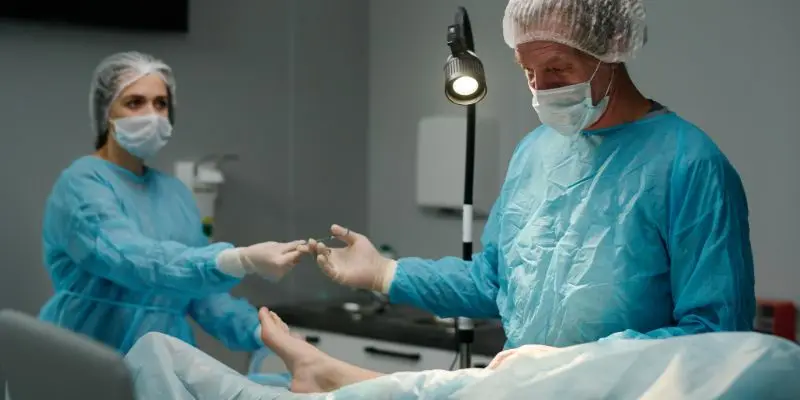
Okay, let's get to the point. When do I recommend surgery for bilateral cavus valgus?
The decision is never taken lightly. I always consider the patient's pain, how much it affects their quality of life, whether conservative treatments have failed, and how progressive the deformity is.
Surgery for bilateral cavus valgus foot is complex. We're not talking about a simple correction, but rather a reshaping of the foot's architecture. Sometimes it's necessary to work on bones, tendons, and ligaments—all at once.
There are various techniques. A calcaneal osteotomy can be performed to correct the heel position. We often add a tendon transfer to rebalance the forces. In some cases, it's also necessary to work on the forefoot.
The result we seek? A foot that doesn't hurt, is stable, and allows the patient to walk normally. We don't always achieve a "perfect" foot aesthetically, but the goal is functional.
Recovery: realistic timescales

After surgery, patience and perseverance are required. Recovery time for bilateral cavus valgus is not short, and this must be made clear.
The first week involves rest, elevating the foot, and applying ice. Then we begin partial weight bearing using crutches. Usually, after 2-3 weeks, you can put your weight on the ankle, but always with specific shoes that I provide.
Rehabilitation begins early. First, mobilization exercises, then strengthening exercises. Physical therapy is essential—without it, even the most successful intervention may not yield the desired results.
Walking normally again? It usually takes 2-3 months. For sports, we wait at least 6 months. And yes, some patients require a second surgery if the correction isn't sufficient or if there are complications.
Some practical advice
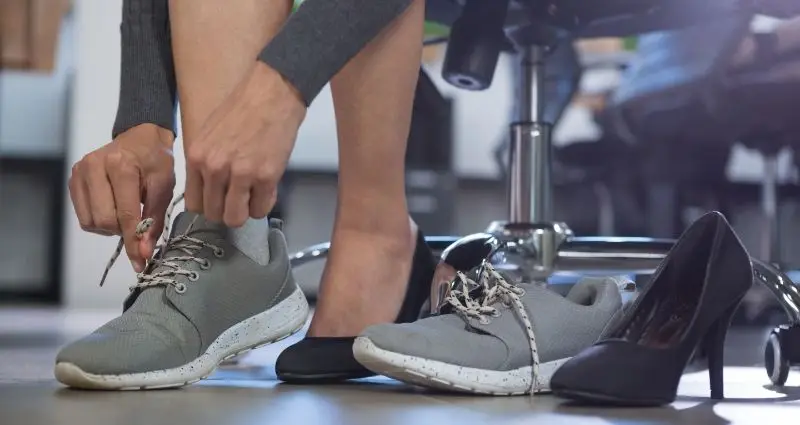
If you suspect you have bilateral cavus valgus, there are some things you can do right away.
Choose shoes with good arch support and cushioning. Avoid high heels and flat shoes. Quality sneakers often provide more relief than many other remedies.
Don't ignore pain. "It's normal to have sore feet" isn't true. Your foot shouldn't hurt during normal activities.
Maintain a healthy body weight. Every extra pound puts additional strain on an already compromised structure.
SmartHallux: Where we can help you

Here at SmartHallux, we specialize in foot and ankle surgery. Dr. Luigi Manzi, who has extensive experience in this field, provides each patient with a personalized treatment plan using the most modern techniques.
The approach is always multidisciplinary: surgeon, physiotherapist, and orthopedic technician work together to achieve the best possible outcome. And above all, we always discuss timeframes, realistic results, and costs clearly.
The SmartHallux team treats conditions such as hallux valgus , Morton's neuroma , and other deformities that cause foot pain. Providing comprehensive support throughout the treatment process, SmartHallux can be a winning choice for effective treatment tailored to your needs. Book your specialist consultation with the SmartHallux team now (opens in a new tab).
Questions you often ask me
Doctor, how much does a procedure like this cost?
The cost varies based on complexity, but on average, it's around €9.000-10.000. It seems like a lot, I know, but consider that we're talking about a procedure that can radically change your quality of life.
When can I go back to work?
It depends on your job. If you're on your feet a lot, it takes longer—even 2-3 months. Office work? Even after 3-4 weeks, with the appropriate precautions.
Are there any risks?
Like any surgery, yes. Infections, healing problems, temporary numbness. But these complications are rare in experienced hands. The most common risk? That a "touch-up" will be needed after a few months.