
Foot bone deformities: a complete guide
Foot bone deformities, from bunions and hammer toes to flat and cavus feet, change the shape of the foot and the way you walk. The causes and the treatments.
By Dr. Luigi ManziUpdated on
Have you noticed an unusual foot shape or persistent pain when walking? Foot deformities are more common than you think and, if left untreated, can compromise your quality of life. Sometimes they manifest as a slight deviation of the toes, other times as chronic pain, stiffness, or difficulty wearing shoes. Early detection is the first step in preventing further deterioration.
In this article, you'll learn what they are, what causes them, how they're diagnosed, and what treatment options are available.
What is meant by foot bone deformation?

This term refers to any structural alteration of the bones of the foot that affects the shape, alignment, or function of the joint. These conditions can be congenital (present from birth) or acquired over time, due to poor posture, trauma, or other pathologies.
The most frequent causes
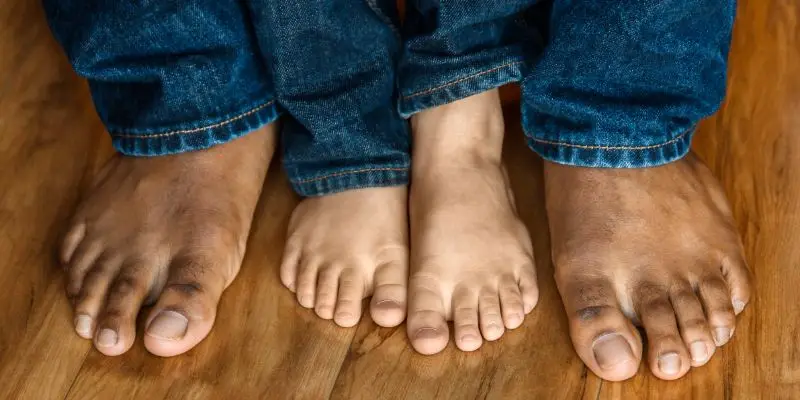
Bone deformations can depend on multiple factors:
- Genetic predisposition
- Traumas not treated adequately
- Arthritis or arthrosis (including toe osteoarthritis or interphalangeal osteoarthritis of the foot)
- Incorrect footwear, often too tight or with high heels
- Overweight and abnormal loads
- Neuromuscular or endocrine disorders
Some deformities also appear in childhood, such as brachymetatarsia.
How do they present themselves? Symptoms you shouldn't ignore.

Signs vary depending on the type and severity of the deformity. Among the most common:
- Pain, both localized and diffuse
- Swelling and stiffness, especially in the morning
- Visible deformities: bent fingers, bony protrusions
- Calluses, especially on the sole or heel
- Difficulty walking or wearing shoes
The main bone deformities of the foot
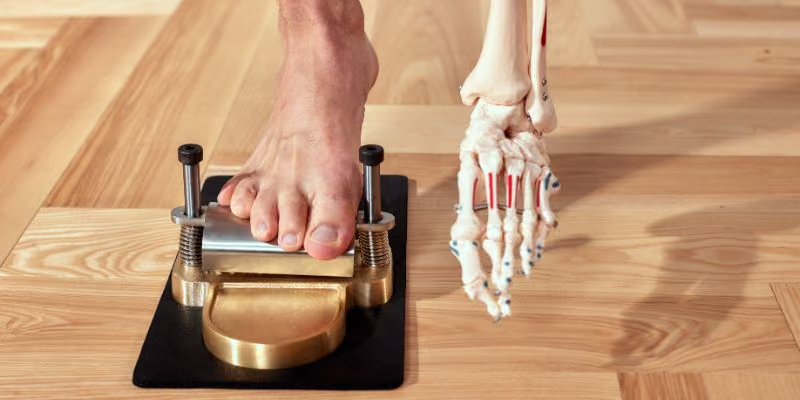
Among the most common we find:
- Hallux valgus: deviation of the big toe towards the inside
- Hallux rigidus: loss of mobility of the metatarsophalangeal joint
- Metatarsalgia: pain in the front of the foot
- Heel spur e plantar fasciitis: heel pain
- Achilles tendinopathy o Haglund's disease
- Morton's neuroma: pain between the fingers, associated with foreign body sensation
- Flatfoot (pronatory syndrome)
- Osteoarthritis of the foot: it can affect the toes, metatarsals, ankle
How is the diagnosis made?

The diagnosis begins with a clinical evaluation , followed by instrumental tests:
- X-rays to evaluate bone structure
- Magnetic resonance for soft tissues and joints
- In some cases, blood tests may also be performed to rule out rheumatoid arthritis or other systemic diseases.
Available treatments
Conservative approach
It is indicated in the initial stages or in less serious cases:
- Customized insoles
- Orthopedic footwear
- Anti-inflammatory drugs
- Physiotherapy to improve posture and walking
Surgical treatment
In advanced or refractory cases, surgery is used, especially when the deformity is disabling. SmartHallux uses:
- Techniques minimally invasive
- Personalized surgery to reduce recovery time and scarring
- Treatments also in day surgery with quick recovery
Post-operative and rehabilitation
Recovery depends on the type of surgery and the patient's initial condition. Rehabilitation includes:
- Rest and load management
- Mobility and muscle strengthening exercises
- Periodic monitoring with the specialist
Why choose SmartHallux

Dr. Luigi Manzi , head of SmartHallux, is one of Italy's most experienced orthopedic surgeons specializing in foot and ankle surgery. The center offers:
- Accurate diagnoses
- Minimally invasive surgical techniques
- Tailor-made rehabilitation
- Experience and attention to the patient at every stage of treatment
The SmartHallux team treats conditions such as hallux valgus , Morton's neuroma , and other deformities that cause foot pain. Providing comprehensive support throughout the treatment process, SmartHallux can be a winning choice for effective treatment tailored to your needs. Book your specialist consultation with the SmartHallux team now (opens in a new tab).
FAQ
What causes foot bone deformities?
Often linked to genetic factors, trauma, osteoarthritis, obesity or inadequate footwear.
Are the symptoms always evident?
No, in the initial stages, they may be mild or absent. Pain or difficulty walking appears gradually.
Is surgery always necessary?
No. In mild cases, orthotics or physical therapy can be used. Surgery is only considered if the pain or deformity worsens.