
Bony protuberance on the foot: when something “sticks out” where it shouldn't
A bony bump on the foot can be a bunion, a bone spur or a cyst. How to tell them apart, when it needs treatment and when to see a specialist.
By Dr. Luigi ManziUpdated on
You may have noticed a strange protrusion on your foot. Maybe it appeared suddenly, or maybe it grew slowly over time. A bony protrusion on the foot that wasn't there before.
"Doctor, I got this lump on my foot"—that's one of the phrases I hear most often in my office. And the answer is never as simple as it seems. Because behind that bony growth on your foot you see and feel, there could be a variety of causes.
Let's understand together what's happening to your foot. And most importantly, what we can do to help.
What is a bony bump on the foot really?
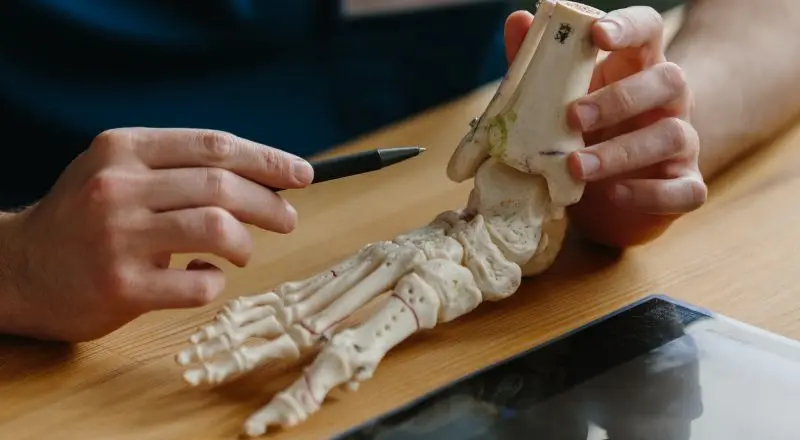
Essentially, we're talking about bone growing where it normally shouldn't be. Or deforming.
It can be a foot exostosis—a true bony growth—or a deformity that develops over time. Hallux valgus is the most classic example: that "bunch" that sticks out laterally is nothing more than a dislocated joint and a deformed bone, creating the characteristic bony protrusion of the foot we all know.
But there are many other forms. Heel spurs under the heel. Exostoses on the back of the foot. Small bumps that form on the toes due to arthritis. Each with its own characteristics, each with its own causes.
The interesting thing—and what I always explain to my patients—is that these bumps often don't appear out of nowhere. They're the result of years of improper stress, repeated trauma, or simply genetics that have given us feet with certain characteristics.
Why do these bumps form? The main causes
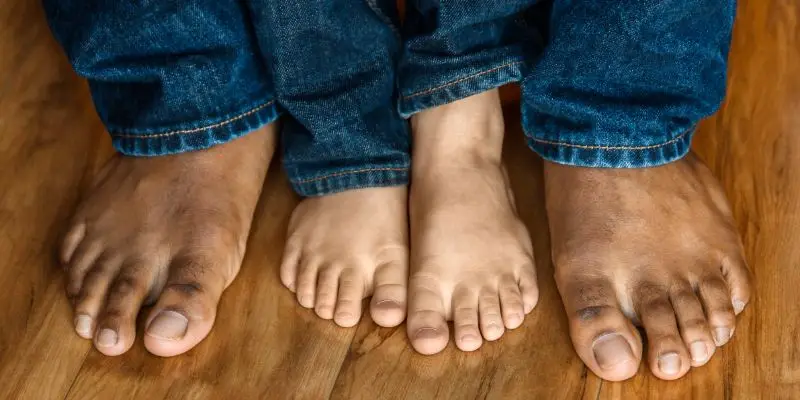
After all, the foot is a complex structure. Think about it: 26 bones, 33 joints, more than 100 muscles and tendons. All in perfect balance. When something breaks in this balance, the bone reacts.
The number one cause? The wrong shoes. Yes, the ones we wear every day. Heels that are too high, toe boxes that are too narrow, stiff soles. The foot adapts, but at a price. Hallux valgus is often the result of years of wearing ill-fitting shoes, especially in women.
Then there's genetics. "Doctor, my mother had feet like that too." It's no coincidence. We inherit the shape of our feet, the quality of our joints, and our tendency to osteoarthritis. If foot problems run in your family, it's likely they'll manifest in you sooner or later.
Age plays its part. As we age, cartilage wears away, joints stiffen, and the bone reacts by forming protrusions to compensate. It's a normal process, though not always pleasant.
Let's not forget trauma. A poorly healed fracture, a sports injury, repeated microtraumas. Bone always tries to repair itself, but sometimes the result is a bony protuberance where once there was a regular profile.
Symptoms You Shouldn't Ignore
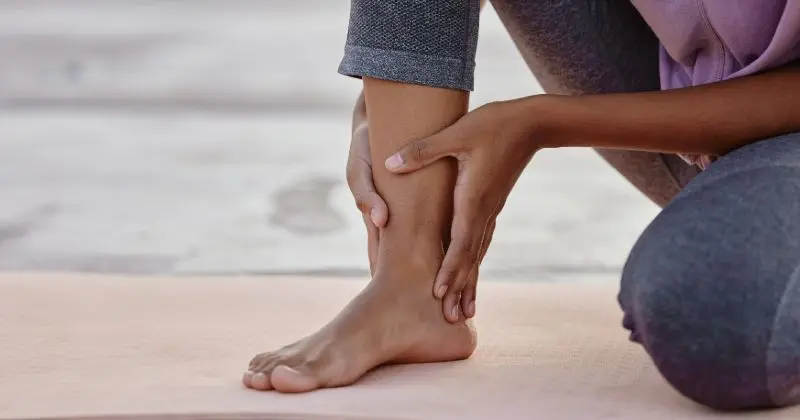
Pain is the first warning sign. But be careful: a lump doesn't always hurt. I've seen patients with significant bunions who'd never had pain, and others with minimal bumps but significant symptoms.
When the bony protrusion causes discomfort, it's usually specific. Pain when touching the shoe. Redness and swelling in the affected area. Difficulty finding comfortable shoes.
"Doctor, I can't wear dress shoes anymore" – this is another phrase I hear often. The bump creates a mechanical conflict with the shoe, resulting in pain, inflammation, and sometimes even actual skin lesions.
In more advanced cases, joint stiffness may develop. The affected joint loses mobility, gait changes, and compensatory pain may appear in other parts of the foot or leg.
How we arrive at the correct diagnosis

When a patient comes to me with a lump on their foot, the first thing I do is look. It seems trivial, but a visual inspection already tells me a lot: the shape, the position, the relationship with the surrounding structures.
Then I touch it. Careful palpation to determine if it's hard like bone or if there's an inflammatory component. If it's mobile or fixed. If it causes pain when pressed.
I always ask for a history. How long has it been present? Has it grown over time? Has there been any trauma? What type of activity do you do? What shoes do you usually wear? These details are crucial to understanding the cause.
X-rays are the basic test. They allow me to see exactly what's happening to the bone, whether there are any joint deformities, and whether the lump is isolated or part of a more complex pattern. In some cases, an MRI may also be necessary to evaluate the surrounding soft tissues.
Treatment options: from conservative to surgical
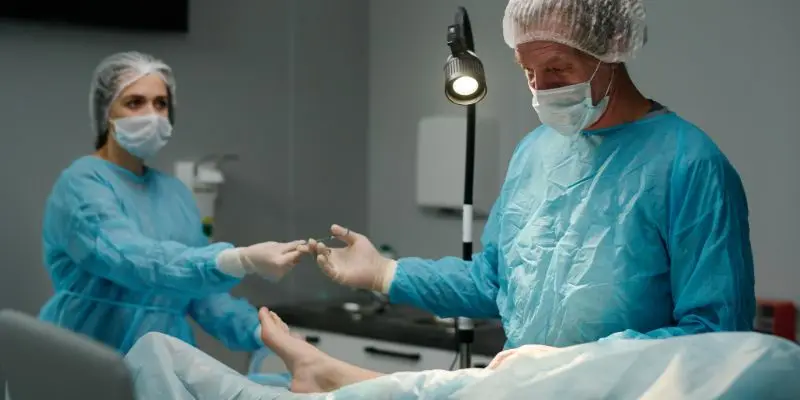
Here we come to the point. What can we do for your bony protrusion?
Conservative treatment is often the first choice. Changing the type of shoe, using custom insoles to redistribute weight, and applying local protection to prevent rubbing are all possible options. In inflammatory cases, anti-inflammatories and physiotherapy can provide relief.
But be realistic: if the protrusion is bony, it won't disappear with conservative treatments. We can reduce symptoms, improve function, and slow its progression. But the protrusion will remain.
Surgery becomes necessary when symptoms significantly compromise quality of life. Different techniques are used for different problems: from osteotomy to correct hallux valgus, to the removal of foot exostoses, to more complex procedures for joint deformities.
The other day, a patient came to me with a bunion who had been putting off surgery for years. "Doctor, if I'd known it was so simple, I would have done it sooner." Now, this is important: foot surgery today is much less invasive than it used to be, and recovery times have been significantly reduced.
Healing times: realistic expectations

Recovery depends greatly on the type of surgery. For a simple exostosis removal, recovery takes just a few weeks. For more complex corrections, such as hallux valgus, recovery time is longer: protected weight bearing for 4-6 weeks, postoperative shoe use, and physiotherapy.
I usually see patients start to feel the real benefits 2-3 months after surgery. The swelling takes time to completely reabsorb, the bone needs time to heal, and the joints need to regain their mobility.
Patience and consistency in rehabilitation are essential. It's not like fixing a machine: the human body has its own biological rhythms that we must respect.
Prevention: What you can do for your feet
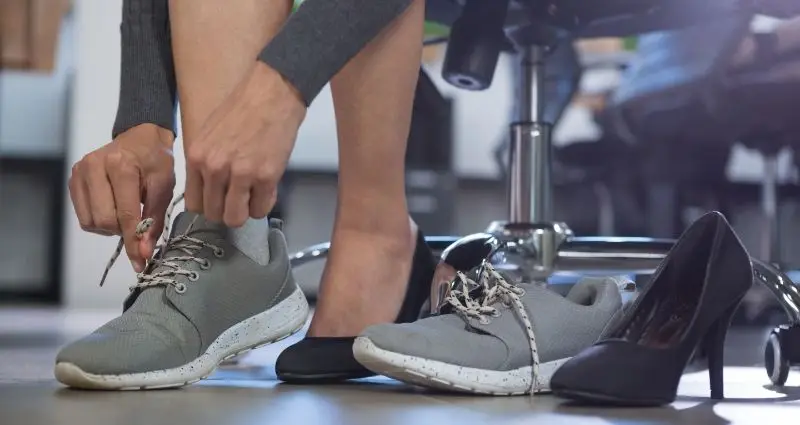
Prevention starts with shoes. It seems trivial, but it's true. Choose shoes with the right shape for your foot, with a moderate heel (2-4 cm is fine), and made of soft materials that don't create pressure points.
Maintain a healthy body weight. Every extra pound puts additional strain on the foot joints. I'm not saying you should get incredibly skinny, but a reasonable weight helps a lot.
Regular physical activity keeps joints mobile and muscles toned. But be careful with high-impact sports if you have a family history of foot problems.
If you notice changes in the shape of your foot, don't wait until they become painful. Early assessment can often prevent the progression to more complex deformities.
SmartHallux: Where we can help you

Here at SmartHallux, we specialize in foot and ankle surgery. Dr. Luigi Manzi, who has extensive experience in this field, provides each patient with a personalized treatment plan using the most modern techniques.
The SmartHallux team treats conditions such as hallux valgus , Morton's neuroma , and other deformities that cause foot pain. Providing comprehensive support throughout the treatment process, SmartHallux can be a winning choice for effective treatment tailored to your needs. Book your specialist consultation with the SmartHallux team now (opens in a new tab).
Questions you often ask me
Doctor, can my lump become dangerous?
The vast majority of bony protrusions in the foot are benign. The main problem is functional: pain, difficulty walking, and problems with shoes. It rarely causes anything serious from a medical standpoint.
If I do nothing, will it get worse?
It depends on the cause. Hallux valgus tends to worsen over time, as do arthritic deformities. Other lumps can remain stable for years. A specialist evaluation will tell you the most likely outcome for your case.
Is the surgery painful?
Modern foot surgery techniques are much less invasive than in the past. With local and regional anesthesia, postoperative pain control is excellent. Most of my patients tell me they've had less pain than they expected.
When can I start walking normally again?
This also depends on the surgery. For simple procedures, you can walk immediately with protective shoes. For more complex corrections, a few weeks of reduced weight bearing are needed. I'll always give you precise recovery times for your specific case.