
Calf tendinopathy: recognizing it early is the first step to recovery.
Calf tendinopathy is an inflammatory condition that affects the tendon attached to the calf muscles, particularly the gastrocnemius and soleus.
By Dr. Luigi ManziUpdated on
A dull ache in the back of the leg, perhaps after a run or simply walking longer than usual. Then there's the stiffness that's especially noticeable in the morning, and that strange difficulty pushing off the foot while walking. When the calf tendons start to show signs, it's important not to ignore them.
Calf tendinopathy is an inflammatory condition that affects the tendon connected to the calf muscles, particularly the gastrocnemius and soleus. These muscles work every time we walk, run, or stand on tiptoe: they are responsible for propulsion, balance, and plantar flexion of the foot. When the tendon becomes inflamed or damaged, every movement can become a small obstacle.
What causes the problem?

There can be many causes, and they often combine. Excessive or abruptly increased physical activity is one of the main ones. But factors such as improper footwear, overly stiff or weak muscles, and poor posture also play a key role.
Also impacting are:
- Age (tendons become less elastic over time)
- Overweight
- Some rheumatic diseases, such as arthritis
Symptoms not to be underestimated
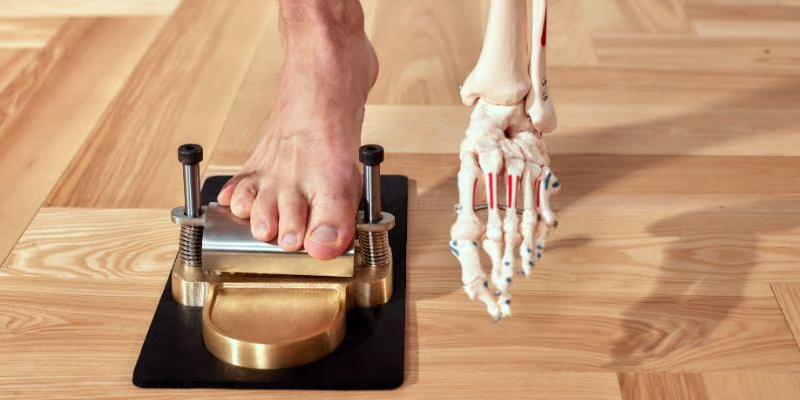
Calf tendinitis presents insidiously. At first, it may seem like a simple soreness, but it soon becomes accompanied by more bothersome symptoms:
- Pain during movement and on palpation
- Localized swelling
- Stiffness, especially after rest
- Difficulty bending the foot or walking normally
How is the diagnosis made?

A specialist visit is the first step in tendon treatment. Through palpation and some functional tests, the doctor can already get a clear picture. In more complex cases, instrumental tests such as ultrasound, MRI, or X-rays are used to rule out other similar conditions, such as a ruptured Achilles tendon or bursitis.
Treatments: from rest to advanced therapies

The good news is that in most cases, surgery isn't necessary. In fact, conservative treatments are very effective. The basic protocol includes:
- Temporary reduction in physical activity
- Ice applications
- Targeted stretching and physiotherapy
- Gradual strengthening of the calf muscles
- Anti-inflammatory drugs, if necessary
In case of persistent or recurring pain, you can resort to:
- Shock waves
- Targeted injections
- Surgery (in rare and selected cases)
Prevention: better sooner than later
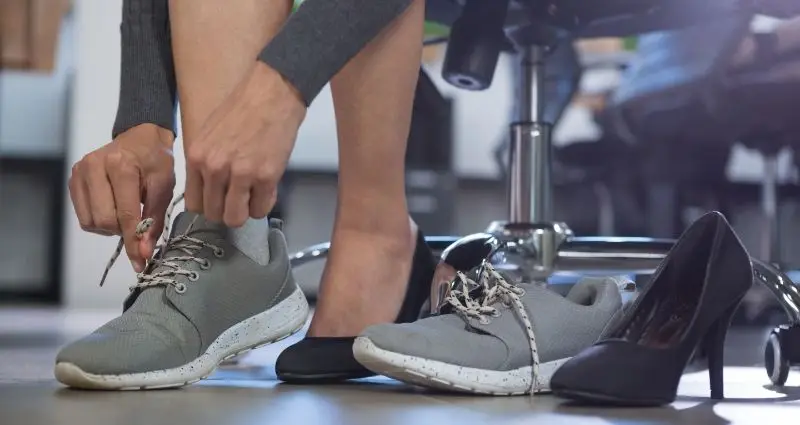
To avoid relapses or prevent their onset, a few precautions are all it takes. Training gradually, wearing suitable shoes, maintaining a healthy weight, and incorporating calf stretching exercises into your routine are simple but effective strategies.
SmartHallux Emergency Room: Don't wait, act now

Calf tendon pain or Achilles tendinitis should never be ignored. At SmartHallux , Dr. Luigi Manzi is available to evaluate your case with targeted tests and offer cutting-edge treatments, including the use of stem cells to promote tissue regeneration. All this at affordable costs and with emergency service available.
The team treats conditions such as hallux valgus , Morton's neuroma , and other deformities that cause foot pain. Providing comprehensive support throughout the treatment process, including post-operative recovery, SmartHallux can be a winning choice for effective treatment tailored to your needs. Book your specialist consultation with the SmartHallux team now (opens in a new tab).
FAQ
How much does Achilles tendon surgery cost?
The cost varies between 8.000 and 12.000 euros, but at SmartHallux the average price is 9-10.000 euros thanks to advanced techniques and agreements with partner clinics.
How is an Achilles tendon rupture treated?
With surgery for complete ruptures, or with immobilization and physiotherapy for partial ones.
How long does it take to heal from an Achilles tendon rupture?
After surgery: 6-8 weeks to walk, up to 6 months to return to sports. Recovery times may be shorter for partial tears.