
Ankle Chondropathy: When Cartilage Wears Out
Ankle chondropathy is wear of the cartilage that lines the ankle joint, causing pain on walking and morning stiffness. The causes and how it is treated.
By Dr. Luigi ManziUpdated on
Have you ever felt a dull pain in your ankle that gets worse when you walk? Or maybe you've noticed that your ankle is stiffer than usual in the morning?
It could be ankle chondropathy. These are problems I see often in my office, especially in patients who have had ankle injuries in the past or who participate in intense sports. Tibiotalar chondropathy (this is the full technical name) is a condition that affects the cartilage of the ankle joint, and I must say it is often overlooked.
But let's proceed in order, because understanding what it is can help you manage it better.
What exactly is ankle chondropathy?
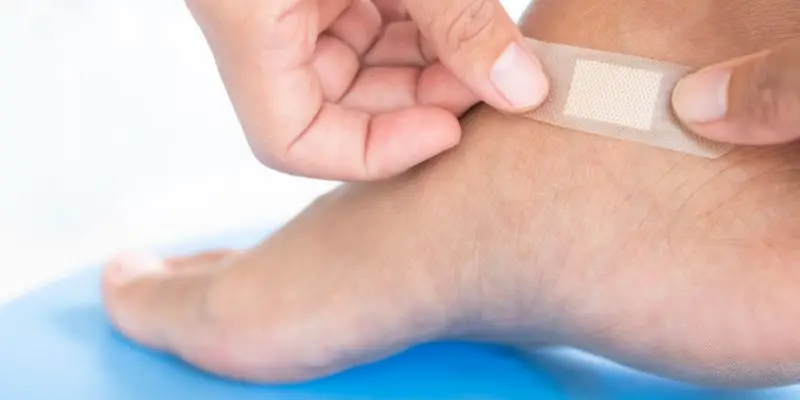
Think of cartilage as a smooth cushion lining the bones in your ankle. It helps the bones slide over each other without friction, a bit like the oil in a car engine.
When this cartilage becomes damaged, thinned, or cracked, chondropathy develops. The joint no longer functions as it should. Patients often tell me, "Doctor, I feel like there's sand in my ankle," or "It feels like something's wrong when I walk."
The interesting thing is that chondropathy can be localized to just a small area or extend to the entire joint. It depends largely on the cause and how long it has been present.
Why does chondropathy occur in the ankle?
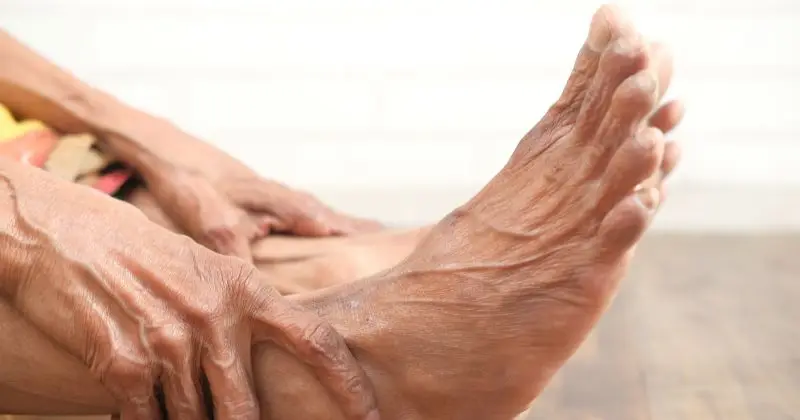
There are various causes, and they often combine. The most common one I see is trauma. A bad sprain, a fracture involving the joint, even if it may have happened years ago. The body has an incredible memory, and cartilage can begin to "feel" after a trauma even long afterward.
Then there are repetitive microtraumas. Athletes know this well: soccer, basketball, running on uneven terrain. All activities subject the ankle to constant stress. It's not that they're bad, of course, but the cartilage can suffer over time.
Age plays a significant role. After 40-45, cartilage naturally begins to lose elasticity. It's physiological. Add to that a few extra pounds, which increases the strain on the ankle, and the picture is complete.
Sometimes I have patients who ask me: "But doctor, I've never had any trauma. How come this happened to me?" Well, there are also causes we call "idiopathic"—basically, we don't know why they developed. The human body is complex, and we can't always identify the underlying cause.
Symptoms: What you feel when you have chondropathy

Pain is the first sign. Patients often describe it as "deep," different from the pain of a simple bruise. It worsens with movement and improves with rest.
Morning stiffness is typical. "Doctor, I have trouble moving my ankle in the morning"—this is a phrase I hear often. After the first few steps, it gradually improves, but that "knee-tight" feeling remains.
Swelling may be present, but not always. When it is, it tends to increase throughout the day, especially if you're on your feet a lot.
One peculiarity of chondropathy is that the pain can vary greatly. There are days when the ankle feels almost normal, others when every step is a problem. It depends on the humidity, the weather, and the type of activity you did the day before.
How do I diagnose?

When you come to my office with these symptoms, the first thing I do is listen. Your history is crucial: when the pain started, if there was any trauma, what activities you do, how your ankle behaves throughout the day.
Then I examine you. I press on specific points, move the ankle in different directions, and check its stability. Often, I already have a pretty good idea of what we're dealing with.
But to confirm, tests are needed. An X-ray is always the first step—simple, inexpensive, and tells me a lot about the condition of the bone. If I see signs of early arthritis or specific changes, the picture becomes clearer.
An MRI is the test that gives me the most precise information about the cartilage. I can see where it's damaged, how extensive the damage is, and whether there are any ligament problems. It's not always necessary, but when I have doubts, it makes all the difference.
How is ankle chondropathy treated?

We need to be realistic here. Damaged cartilage doesn't regenerate spontaneously. However, we can do a lot to slow the progression and, above all, reduce the symptoms.
The first approach is always conservative. Rest when the ankle hurts, ice during acute inflammation, and short-term anti-inflammatory medications are recommended. Physical therapy is essential: exercises to maintain range of motion, strengthening the muscles that stabilize the ankle, and proprioception to improve balance.
Injections can help. Hyaluronic acid to "lubricate" the joint, cortisone if there's significant inflammation. They're not miracle cures, but they often provide relief for a few months.
When conservative treatment is no longer sufficient, surgery can be considered. Arthroscopy allows us to "clean" the joint, remove fragments of damaged cartilage, and stimulate the formation of new cartilage (even if it is different from the original).
In more advanced cases, when the joint is severely compromised, ankle replacement may be considered. This is a demanding procedure, but the results have improved significantly in recent years.
How long does it take to heal?

This is always the million-dollar question. It depends on many factors: the extent of the damage, your age, your expectations, and how willing you are to change your habits.
With conservative treatment, I often see significant improvements within 2-3 months. It doesn't mean you're back to normal, but the pain is reduced and function improves.
If we perform arthroscopy, it usually takes 3-4 months for a good recovery. A prosthetic requires longer periods, even 6-12 months for full recovery.
How to prevent chondropathy (or slow it down)?

Prevention is always better than cure. Maintain a healthy body weight—every extra pound puts additional stress on the ankle. Wear appropriate footwear for your activity: if you run, invest in good running shoes; if you work on your feet all day, look for comfortable, stable footwear.
Physical activity is important, but the right kind is important. Swimming, cycling, and walking on level ground are excellent. Avoid sports with sudden changes in direction if you already have ankle problems.
Regular stretching and proprioception exercises can make a difference. Even just 10 minutes a day, but do it consistently.
SmartHallux: Where we can help you

Dr. Luigi Manzi, who has gained specific experience in this field, follows each patient with a personalized path using the most modern techniques.
The SmartHallux team treats conditions such as hallux valgus , Morton's neuroma , and other deformities that cause foot pain. Providing comprehensive support throughout the treatment process, SmartHallux can be a winning choice for effective treatment tailored to your needs. Book your specialist consultation with the SmartHallux team now (opens in a new tab).
We use minimally invasive approaches whenever possible and have particular expertise in arthroscopic ankle techniques. Each case is carefully evaluated, as there is no standard treatment that works for everyone.
FAQ
Doctor, is it true that with chondropathy I will no longer be able to play sports?
Not necessarily. Much depends on the degree of damage and the type of sport. Often, it's necessary to adjust the intensity or change discipline, but physical activity remains important. I have patients who have returned to running after treatment, obviously with a few additional precautions.
Ankle pain gets worse when the weather changes – is it possible?
Absolutely. It's a phenomenon I see very often. Changes in atmospheric pressure and humidity can affect the perception of pain in damaged joints. You're not crazy; it's scientifically documented.
How long should I worry if my ankle pain doesn't go away?
If you have persistent pain for more than 2-3 weeks, especially if it's worsening or limiting your daily activities, it's best to have a checkup. The earlier you intervene, the better the chances of success with conservative treatment.