
Epineurium: what it is, what it does, and when to worry
The epineurium is the outer sheath of connective tissue that protects a peripheral nerve. What it does, how it can be damaged and when symptoms need attention.
By Dr. Luigi ManziUpdated on
Have you ever felt tingling, numbness, or strange pain in a part of your body and wondered if it might be a nerve problem? One of the fundamental elements of our peripheral nervous system is the epineurium , a supporting tissue that is often overlooked but essential to neurological well-being.
Let's find out together what it is, how it works, and when it can become a source of problems.
What is the epineurium?
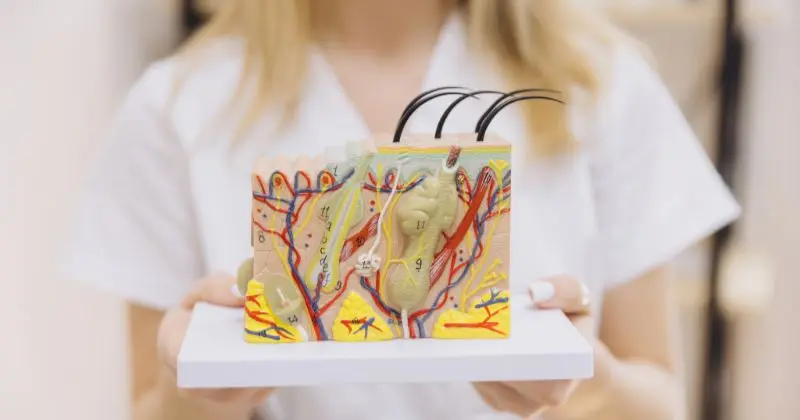
The epineurium is a layer of connective tissue that surrounds peripheral nerves , protecting them and keeping them stable along their path. It is the outermost layer of those that make up a nerve, along with the perineurium (which surrounds the fascicles) and the endoneurium (which surrounds the individual nerve fibers).
It has a tough structure, composed mainly of collagen , and contains small blood and lymph vessels that nourish the nerve.
What is the epineurium for?

The main function of the epineurium is protective . It acts as a shield that:
- It protects the nerve from trauma and external pressure
- Stabilizes the nerve bundle in its anatomical location
- It allows the nerve bundles to slide during movements
- It carries blood and essential nutrients
It is also involved in the repair processes of damaged nerves , making it a key element in nerve regeneration.
Where is the epineurium located?
The epineurium is present in all nerves of the body, both in the limbs and the trunk. Its shape may vary slightly depending on the anatomical area, but its function remains the same: to envelop and protect.
Pathologies of the epineurium: when can they cause problems?

Although resistant, the epineurium can be damaged by:
- Direct trauma (accidents, fractures, crushing injuries)
- Inflammation due to overuse or systemic diseases (such as arthritis)
- Chronic compressions, for example from scar tissue or nearby tendon inflammation
The most common medical term for inflammation of the epineurium is epineuritis.
Symptoms
The main symptoms include:
- Localized pain
- Numbness or tingling in the innervated area
- Muscle weakness
- Difficulty with fine movements
How is it diagnosed?
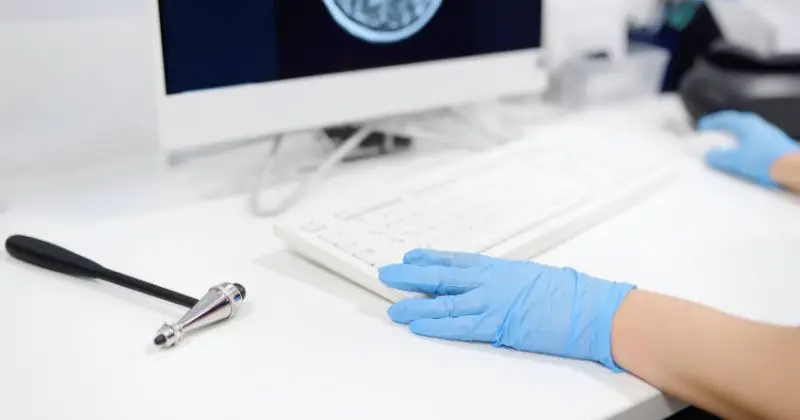
The diagnosis is based on:
- Neurological evaluation and clinical trials
- Electromyography (EMG) to evaluate nerve function
- Magnetic resonance or high-resolution ultrasound to identify any compressions or inflammation
Treatments for epineuric disorders

Treatment depends on the cause:
- Rest and ice in case of minor trauma
- Anti-inflammatory drugs or corticosteroids
- Physical therapy to improve mobility and reduce pressure
- Antibiotics if an infection is present
In some cases, when the damage is severe or persistent, surgery may be considered to free the nerve or reconstruct the damaged epineurium.
Epineurectomy
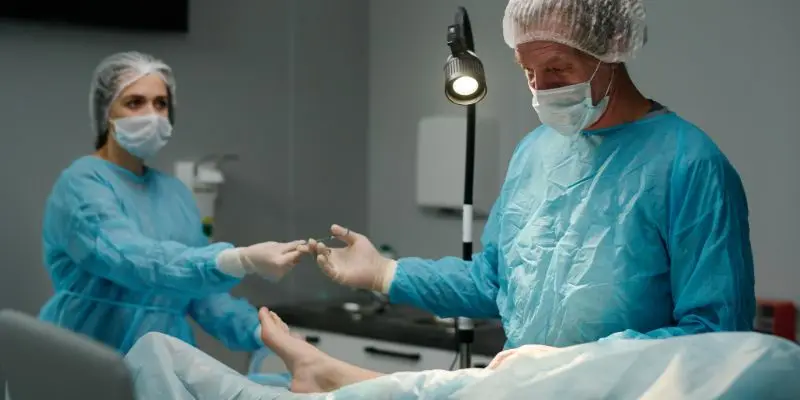
Interventions may include:
- Nerve decompression
- Scar tissue removal
- Tissue transplant or use of grafts to promote regeneration
Post-operative recovery includes physiotherapy and neurological monitoring to verify the return to functionality.
SmartHallux: When to see a specialist?

If you experience persistent symptoms such as tingling, pain, or muscle weakness , it's important to consult a neurologist or orthopedic doctor who specializes in peripheral nerve disorders. Early intervention can prevent permanent damage.
Dr. Luigi Manzi , an orthopedic surgeon specializing in foot and ankle surgery, is also a point of reference for peripheral nerve pathologies, especially in cases where the nerves are affected by compression or joint trauma.
Dr. Luigi Manzi leads the SmartHallux team: he treats conditions such as hallux valgus , Morton's neuroma , and other deformities that cause foot pain. Providing comprehensive support throughout the treatment process, SmartHallux can be a winning choice for effective treatment tailored to your needs. Book your specialist consultation with the SmartHallux team now (opens in a new tab).
FAQ
What is the epineurium and what is it for?
It is the outermost covering of peripheral nerves. It protects, nourishes, and stabilizes the nerve.
What are the symptoms of epinephrine rash?
Pain, numbness, tingling, or weakness in the area of the affected nerve.
How is inflammation of the epineurium treated?
Rest, anti-inflammatories, and physical therapy are recommended. In severe cases, surgery is recommended.