
What is heel spur and how to get rid of it?
A heel spur is a bony growth on the underside of the heel bone, often linked to plantar fasciitis. What causes it, the symptoms and how it is treated.
By Dr. Luigi ManziUpdated on
Among the most annoying and painful pathologies that affect feet and ankles, there is the heel spur , in this article we will see what the heel spur is and how to get rid of it
The term is certainly not among the most widespread, but if you delve deeper into the topic, you will realize that you have heard of it or, at least, are familiar with it.
So, what is heel spur?
It is a foot pathology that affects the heel . The pain, sometimes sharp and unbearable, caused by this pathology is often caused by a small bony growth.
At first, it may even appear to be a manageable and not too serious pathology, but if left untreated, heel spur can significantly lower the quality of life, becoming a truly debilitating disease.
Let's focus on this pathology. Let's discover its symptoms and causes , but above all, how to fight and overcome it.
Heel Spur Symptoms: How to Recognize the Pain
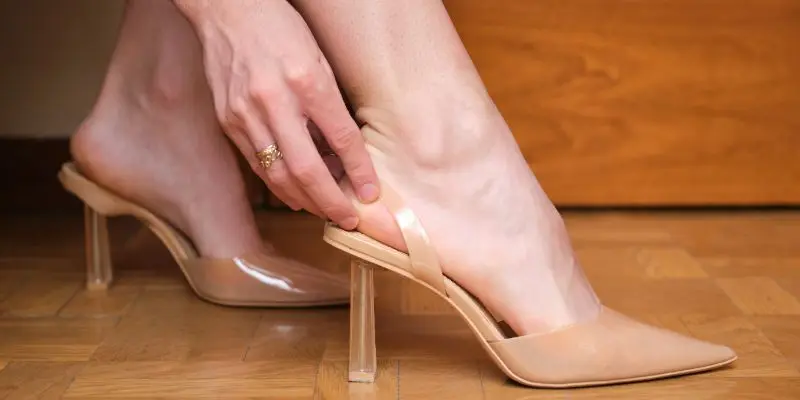
As mentioned, heel spurs can be deceptive.
At first, you may feel a slight discomfort in the heel , easily attributable to daily tiredness or a shoe that is not particularly comfortable.
Gradually, however, the discomfort turns into pain. And heel pain is the first and most recognizable symptom of a heel spur.
This pain appears sharply, as if an external force were “pricking” the heel, especially in the morning upon waking or after a prolonged rest.
The deceptive nature of this pathology leads to a decrease in pain with movement , although, after prolonged periods of activity and effort, heel pain can become even worse.
If you underestimate the pain, the heel will inevitably swell and become inflamed , also giving a burning sensation to the touch.
Depending on the severity of the situation, you may also notice stiffness of movement and, depending on the stage of the pathology, even a bony protuberance.
Once you notice all these symptoms, you should intervene as soon as possible. Only early diagnosis and the right treatment procedure will save your foot health.
Heel Spurs: What Causes It?

After learning about the symptoms, you may wonder what causes heel spurs.
As with almost all foot and ankle conditions, excessive stress on the heel and the entire foot is one of the most common causes. Excessive and prolonged pressure on the plantar fascia , over time, causes inflammation and microtraumas that, if left untreated, contribute to the formation of the bony growth typical of heel spurs.
Physical stress can also be caused by excessive physical activity . Activities like running and jumping, especially if performed with high impact, on hard surfaces, and with excessive consistency, contribute to stressing the entire foot.
The same but opposite problem is that of being overweight and obese . Excessive weight, for various reasons, causes pain and puts pressure on the soles of the feet.
Wearing unsuitable , poor-quality, or uncomfortable footwear is never healthy for the well-being of the entire foot.
Finally, there are pre-existing conditions . Having flat feet, poor posture, foot deformities, or trauma can all contribute to making the foot weak and prone to other conditions.
Diagnosis of Heel Spur
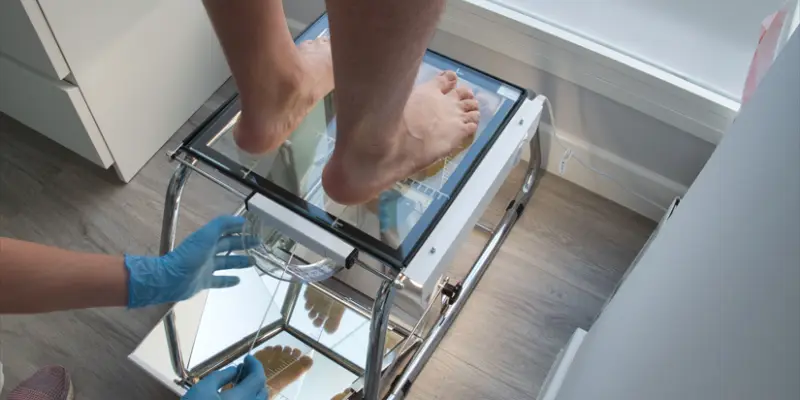
Early diagnosis is essential to fight and overcome heel spurs.
How to diagnose heel spurs and who to contact?
Once the first symptoms are recognized, it is best to contact your doctor who will refer the patient to an orthopedic specialist.
The doctor will thus not only perform a thorough optical and tactile examination of the heel, but will also make a detailed evaluation of the patient's medical history and symptoms.
During the physical exam, your doctor will assess the stage of inflammation, swelling, and pain in your heel, as well as check whether there is already a bony prominence.
Subsequently, technical tests will be performed, such as X-rays and ultrasounds . Only with these tests, which allow for an internal view of the affected area, will it be possible to confirm or deny the diagnosis.
The diagnosis not only confirms the problem, but is also useful for understanding the stage and severity of the pathology, so as to be able to better personalize the intervention method.
Conservative Treatments: Effective Solutions Without a Scalpel

Heel spurs , if caught early and not yet too serious, can be treated with conservative treatments.
Conservative treatments are non-invasive and do not require surgery.
The strength of conservative treatments, besides the fact that they do not require surgery, is that they can be done at home and independently , although monitoring by a doctor is always recommended.
What are these conservative treatments here?
Among the most prescribed and common are:
- Rest: reduction of physical activity and limitation of daily activities that are stressful for the feet:
- Ice packs: reduce swelling and inflammation;
- Exercises recommended and agreed upon with the doctor: targeted stretching of the plantar fascia and calf muscles;
- Use of foot orthoses: very useful for providing support and above all for distributing the weight of the body evenly on the foot;
- Taking anti-inflammatory drugs: they help fight pain and inflammation.
Obviously, every therapy and every course of action must be evaluated and agreed upon with the doctor . Treatments are not the same for everyone; they must be personalized based on both the stage of the disease and the patient's health.
When to resort to surgery?
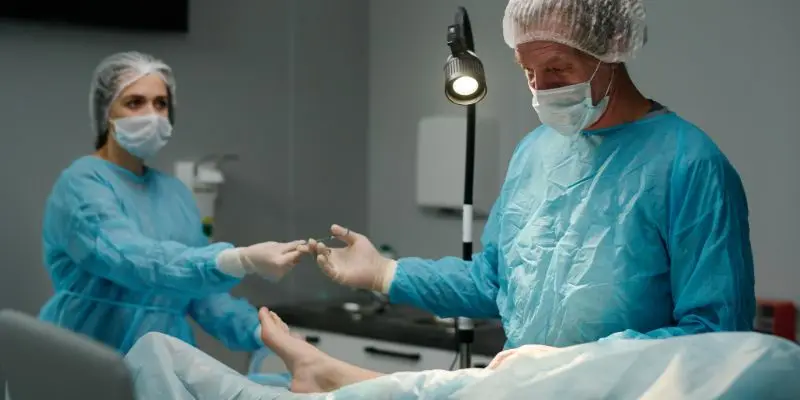
When conservative treatments fail to resolve the heel spur problem and the pain shows no sign of going away, surgery may be considered.
Doctors typically recommend heel spur surgery after 6-12 months of conservative treatment. Only after these have failed to achieve the desired outcome will the doctor consider surgery.
But what does the final decision to opt for surgery depend on?
The severity of the pain is crucial in informing the doctor of the patient's true condition. For example, if the patient's quality of life has significantly decreased, compromising even the simplest daily activities, the doctor will recommend surgery.
Without wanting to delve too deeply into the technical aspects of the procedure, it's fair to say what you're getting into.
Heel spur surgery involves removing the bony growth and releasing the plantar fascia to reduce tension (when necessary).
Finally, it must be said that surgery can both solve the problem and significantly reduce pain, but it requires constant commitment and dedication to following post-operative procedures and rehabilitation.
The solution for heel spurs: SmartHallux, foot health specialists

If surgery is what you've chosen to get rid of your heel spur, and you're not sure who to turn to, SmartHallux is just what you need.
The specialists of the SmartHallux team , led by world-famous surgeon Dr. Luigi Manzi , have experimented with new minimally invasive surgical techniques aimed not only at making the operation faster and less invasive, but also at reducing post-operative recovery times.
Before deciding whether or not to undergo surgery, however, it will first be necessary to diagnose the foot pathology you think you suffer from.
SmartHallux offers various consultation options to meet the needs of all patients.
What are you waiting for? Book your appointment with the SmartHallux specialists.
Just click here and choose the visit option that's best for you.