
Forefoot Varus: When the Foot “Turns” the Wrong Way
Forefoot varus is a condition in which the front of the foot tilts inward relative to the heel, altering how you walk. The causes, the symptoms and treatment.
By Dr. Luigi ManziUpdated on
Have you ever looked at your feet and noticed they look slightly crooked? Or maybe you've noticed that you walk a little oddly, and your shoes wear out strangely?
It could be forefoot varus. It's not a scary name, but it's a condition I see often in my office, and it deserves to be thoroughly understood. Because, well, when the foot doesn't support itself properly, the whole body suffers.
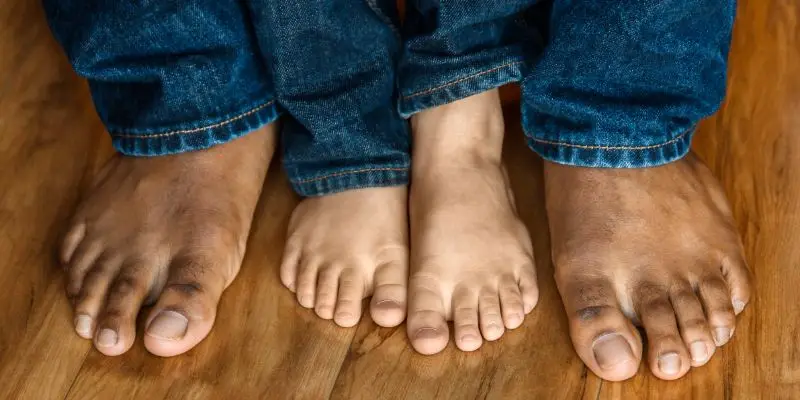
Forefoot varus is a deformity in which the front of the foot tilts inward relative to the back of the foot. Basically, if you look at your foot from above, it looks like the forefoot is "looking" toward the other foot.
What Forefoot Varus Really Is

Imagine your foot like a boat. Under normal conditions, when you place your foot on the ground, it should be perfectly horizontal. With a forefoot launch, however, the "bow" of the boat (i.e., the ball of the foot) is angled downward and inward.
This should not be confused with flat feet—that's a completely different story. In flat feet, the arch is too low or absent. In supinated feet, however, the entire foot tends to rotate outward. Forefoot varus is more specific: it primarily affects the front of the foot.
The difference is important because the treatments are different. I've seen patients who used flat foot orthotics for years, when in reality they had forefoot varus that required a completely different approach.
It can occur in one foot or both—what we call bilateral metatarsus varus. And often, those who have this condition as adults have carried it with them since childhood without knowing it.
Why It Happens: The Causes of Forefoot Varus
Genetics plays a big role. If your parents had foot problems, there's a good chance you'll have them too. But it's not just a matter of DNA.
Trauma can trigger this deformity. A poorly healed foot fracture, an ankle injury that alters the way you walk—these things leave their mark. Literally.
Neuromuscular disorders are another factor. Conditions such as cerebral palsy or spina bifida can affect the muscular balance of the foot, leading to deformities such as forefoot varus.
Obesity? Absolutely. Excess weight puts abnormal pressure on the feet, which can become deformed over time. It's a bit like forcing an architectural structure to support more weight than it was designed for.
And then there are shoes. Shoes that are too tight, have excessive heels, or simply don't fit the shape of your foot. Years of wearing the wrong footwear can gradually shape the foot into unnatural positions. In the case of adult varus foot, I often see patients who have worn shoes that didn't fit the natural shape of their foot for decades.
Symptoms You Shouldn't Ignore
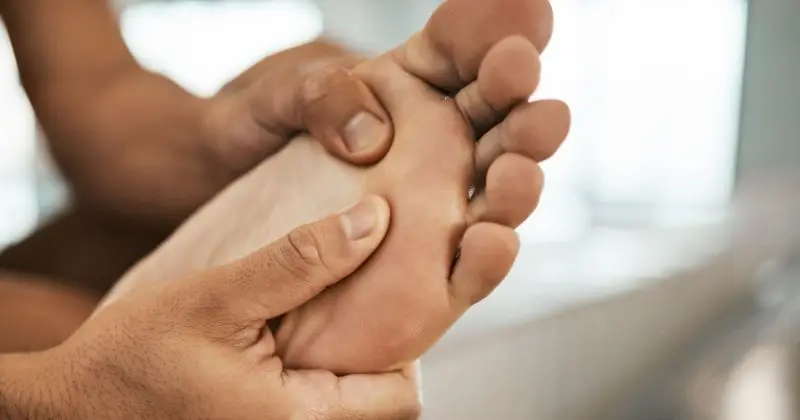
Pain is the first warning sign. It's not just any pain—it's usually concentrated in the ball of the foot and can extend to the ankle. Some patients tell me it's like having a pebble in their shoe that they can never get out.
Tired legs are an underestimated but very common symptom. When your foot doesn't land properly, your leg muscles work harder to compensate. It's like driving on flat tires—you just get more tired after a while.
Walking becomes a problem. It's not that you can't do it, but you notice that your gait is different. Maybe you lean more heavily on one side of your foot, or you tend to drag one foot slightly. These are details that often only those living next to you notice first.
Posture inevitably suffers. The foot is the foundation of the entire body. If the foundation is crooked, the rest adapts, but not always in a healthy way. Back pain, neck tension, hip problems—it can all be linked.
And then there's abnormal wear and tear on shoes. If you notice that the soles are always worn in the same spot, asymmetrically, that could be an important clue. It's one of the first signs I check for when a patient shows me their worn shoes.
Symptoms vary greatly depending on the severity. Mild forefoot varus may cause only occasional mild discomfort. Severe forefoot varus can seriously impact quality of life. Abducted foot, in particular, can cause significant problems with walking.
How Do I Diagnose?

In the studio, I always start with observation. I ask you to walk back and forth, barefoot. I look at how you place your foot, whether there's any asymmetry, and whether you compensate in any way.
Then comes the actual physical exam. I check the foot's flexibility, muscle strength, and any tender spots. I often ask the patient to describe exactly where they feel pain and when.
Gait analysis is essential. Sometimes I use specific tools that record your walking, but often a trained clinical eye is sufficient. After years of practice, you'll quickly recognize certain movement patterns.
X-rays are often necessary. They allow you to see the exact angle of the deformity, any associated bone problems, and how the joints behave under load. It's like having a detailed map of the problem.
Ultrasound can be useful for evaluating soft tissues—tendons, ligaments, and any inflammation. It's not always necessary, but in some cases it provides valuable information for treatment planning.
Treatment Options: From Conservative to Surgery
The good news is that not all cases require surgery. In fact, significant improvement can often be achieved with conservative treatments.
Physiotherapy is the first approach. Specific exercises strengthen certain muscles and stretch others, along with techniques to improve proprioception in the foot. It's patient work but often very effective, especially in less severe cases.
Custom-made orthopedic insoles are a valuable tool. Not the ones you buy at the pharmacy, but those made specifically for your foot and your problem. They can truly change your quality of life, partially correcting your foot strike and redistributing pressure.
The right shoes make all the difference. Shoes with the right shape, appropriate arch support, and materials that allow the foot to move naturally. It's not vanity—it's therapy.
When these approaches aren't enough, surgery becomes an option. It's not a decision to be taken lightly, but in some cases, it's the only way to permanently resolve the problem. Surgical techniques vary depending on the type and severity of the deformity.
Specialized Treatment of the Achilles Tendon
Speaking of surgery, here at SmartHallux we've also developed specific protocols for Achilles tendon injuries, which are often associated with gait problems such as forefoot varus. We employ innovative techniques, including the use of stem cells in cases of rupture, at more affordable costs than other centers.
Ankle Replacement: Our Experience
For more complex cases involving the entire ankle, our experience in prosthetic surgery allows us to offer cutting-edge solutions. It's not always necessary, but when it is, it really makes a difference.
Possible Complications if Left Untreated
Untreated forefoot varus can lead to serious problems over time. Osteoarthritis is one of the most common consequences—poorly functioning joints wear out more quickly.
Chronic pain can become debilitating. I have patients who tell me they've given up walking, sports, and even certain jobs because of persistent foot pain.
Limited mobility is another aspect that shouldn't be underestimated. When walking becomes difficult, your entire social and work life suffers.
Prevention: Better Safe Than Sorry
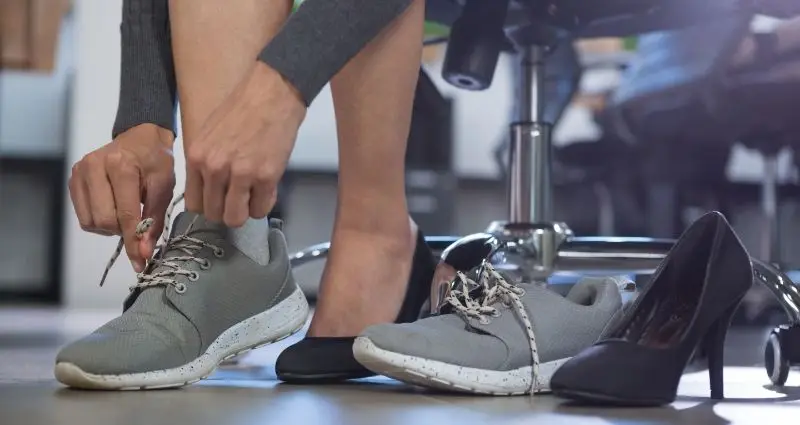
As always in medicine, prevention is better than cure. Wearing appropriate footwear from a young age is essential. Shoes that follow the natural shape of the foot, not too tight, and with a reasonable heel.
Maintaining a healthy weight reduces stress on your feet. It's not always easy, I know, but it's an investment in the health of your feet and your entire body.
Regular exercise keeps your foot muscles strong and flexible. You don't need to be an athlete—even a daily walk makes a difference.
SmartHallux: Where We Can Help You

Here at SmartHallux, we specialize in foot and ankle surgery. Dr. Luigi Manzi, who has extensive experience in this field, provides each patient with a personalized treatment plan using the most modern and least invasive techniques possible.
Our philosophy is simple: low costs, close collaboration with selected clinics, and above all, maximum patient care. We are not an assembly line—each case is studied individually.
The SmartHallux team treats conditions such as hallux valgus , Morton's neuroma , and other deformities that cause foot pain. Providing comprehensive support throughout the treatment process, SmartHallux can be a winning choice for effective treatment tailored to your needs. Book your specialist consultation with the SmartHallux team now (opens in a new tab).
Experience matters. When it comes to your feet, you want to trust someone who sees and solves these problems every day. Our specific specialization in foot and ankle surgery allows us to offer solutions that generic centers can't.
Transparent and accessible costs are another strong point. Healthcare shouldn't be a luxury, and we work to make it accessible.
Questions You Often Ask Me
Can forefoot varus get worse with age?
Yes, it tends to get worse if left untreated. It's like a mechanical problem with a car—if you don't fix it, it gets worse over time and affects other parts.
Should insoles always be worn?
It depends on the case. Some patients only use them in certain shoes or during physical activity. Others find them so comfortable that they never take them off. There's no hard and fast rule.
Is surgery painful?
With modern techniques, postoperative pain is highly manageable. It's certainly not a walk in the park, but it's not the torment many imagine.